The National Film Authority has officially launched the Film Development Fund, an institutional intervention designed to address longstanding financial and investment barriers within Ghana’s creative arts sector.
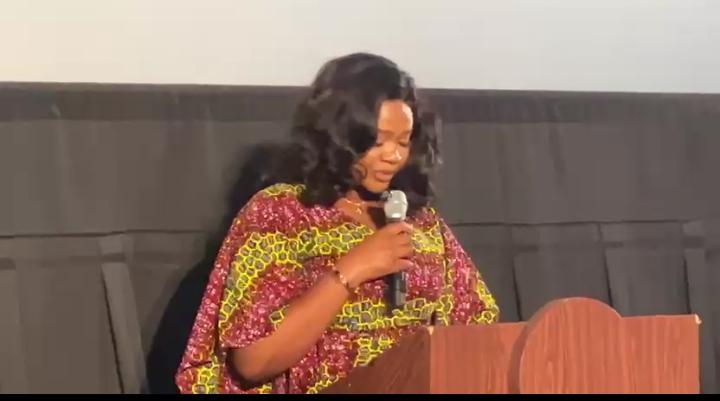
Speaking at the official launch, Executive Secretary Kafui Danko-Pitcher declared the fund an “important and historic step” in a collective journey to reposition the nation’s film and audiovisual industry as a sustainable, structured, and globally competitive sector capable of driving national development.
For decades, Ghanaian filmmakers, distributors, and exhibitors have battled severe funding constraints that hampered production, distribution, and infrastructure development. The newly established fund aims to reverse this trend by creating viable opportunities for industry entrepreneurs to build sustainable businesses, generate employment, expand local audiences, and elevate the global visibility of Ghanaian stories.
Kafui expressed profound appreciation to President John Dramani Mahama for his continued commitment and support of the creative arts sector, noting that the future of the industry hinges on creating an enabling environment through strategic partnerships, innovation, and robust regulations.
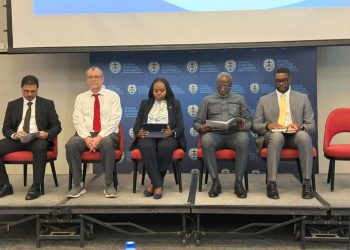
As part of the milestone event, the National Film Authority inaugurated two pivotal governing bodies: the Film Development Fund Management Committee and the Film Classification Committee. These bodies are tasked with ensuring transparency, accountability, and regulatory advancement across the evolving ecosystem.
”The Film Development Fund Management Committee is expected to guide the effective administration and strategic direction of the fund,” Danko-Pitcher stated, adding that the Film Classification Committee will simultaneously focus on ensuring responsible content creation, classification, and standard promotion.
The executive secretary reaffirmed the authority’s commitment to protecting audiences, encouraging investment, and boosting confidence in the local film industry. Moving forward, the authority plans to aggressively drive audience development initiatives, strengthen cinema and exhibition infrastructure, and expand access to local content nationwide.
Danko-Pitcher extended gratitude to the Ministry of Tourism, Culture and Creative Arts, the Governing Board of the National Film Authority, industry guilds, corporate institutions, and financial partners, concluding that their collective presence demonstrated a shared commitment to building a stronger, more sustainable creative economy for Ghana.
Story: Eugenia Ewoenam Osei