Ghana has officially launched its first-ever e-visa portal and removed all visa fees for African nationals entering the country in a landmark move aimed at boosting regional trade, tourism, and continental integration.
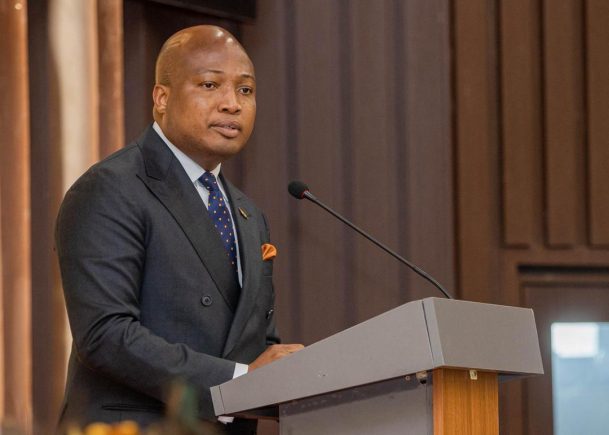
The announcement was made by Foreign Affairs Minister Samuel Okudzeto Ablakwa on Africa Day following Cabinet approval of the new policy initiative.
According to the minister, the reforms form part of the broader vision of President John Dramani Mahama to position Ghana as a leading destination for business, investment, and tourism in Africa. He explained that the measures are intended to eliminate long-standing visa processing delays and bureaucratic bottlenecks that have hindered trade and cross-border movement for decades.
Mr. Ablakwa described the policy as a significant step toward advancing African integration, particularly as Ghana hosts the Secretariat of the African Continental Free Trade Area. He noted that intra-African trade currently remains low at about 15 percent and expressed confidence that the removal of visa fees for Africans would help increase economic activity across the continent while supporting the goals of Agenda 2063.
The Foreign Minister said the timing of the announcement on Africa Day was symbolic, recalling Ghana’s historic role in championing African unity during the formation of the Organisation of African Unity on May 25, 1963.
He stated that the latest visa reforms reflect the pan-African ideals of Ghana’s founding leaders and represent a modern response to calls for stronger continental cooperation and mobility.
Under the new system, business and tourist visa applicants can now apply online through the e-visa platform and receive a decision within 48 hours after submitting the required documents.
While African nationals will no longer pay visa fees to enter Ghana, non-African applicants using the premium digital service will pay a fee of $260. Diplomatic passport holders, students, family visa applicants, and nationals from nearly 50 countries with existing bilateral visa waiver agreements will remain exempt from the charges.
Addressing concerns about national security, Mr. Ablakwa assured the public that the digital visa system complies fully with standards set by the International Civil Aviation Organization and is integrated with Advanced Passenger Information and Passenger Name Record databases to support background checks and biometric verification.
He explained that the technology would strengthen border security while reducing delays and minimizing human interference in visa processing.
The Foreign Minister also praised the collaboration between the Ministries of Foreign Affairs, Interior, Transport, and Tourism, as well as the Ghana Immigration Service and the Cyber Security Authority, for making the initiative possible.
He specifically commended Interior Minister Muntaka Mubarak for supporting the project and helping to secure Cabinet approval for the reforms.
Mr. Ablakwa further disclosed that the e-visa platform was developed through a Public-Private Partnership arrangement at no cost to the Ghanaian taxpayer, with the private partner expected to recover its investment over time under government supervision.
He also dismissed reports suggesting that the government had breached a previous e-visa contract, clarifying that legal assessments by the Attorney General found no such agreement existed. According to him, earlier arrangements only involved traditional machine-readable visa stickers and had no connection to the new digital system.
The minister concluded that the launch of the e-visa portal firmly positions Ghana as a modern and accessible gateway for tourism, trade, and investment in Africa.
Story By: Eugenia Ewoenam Osei