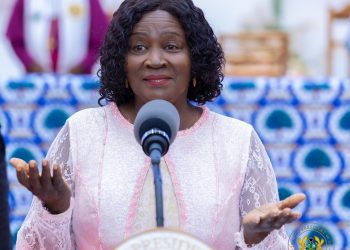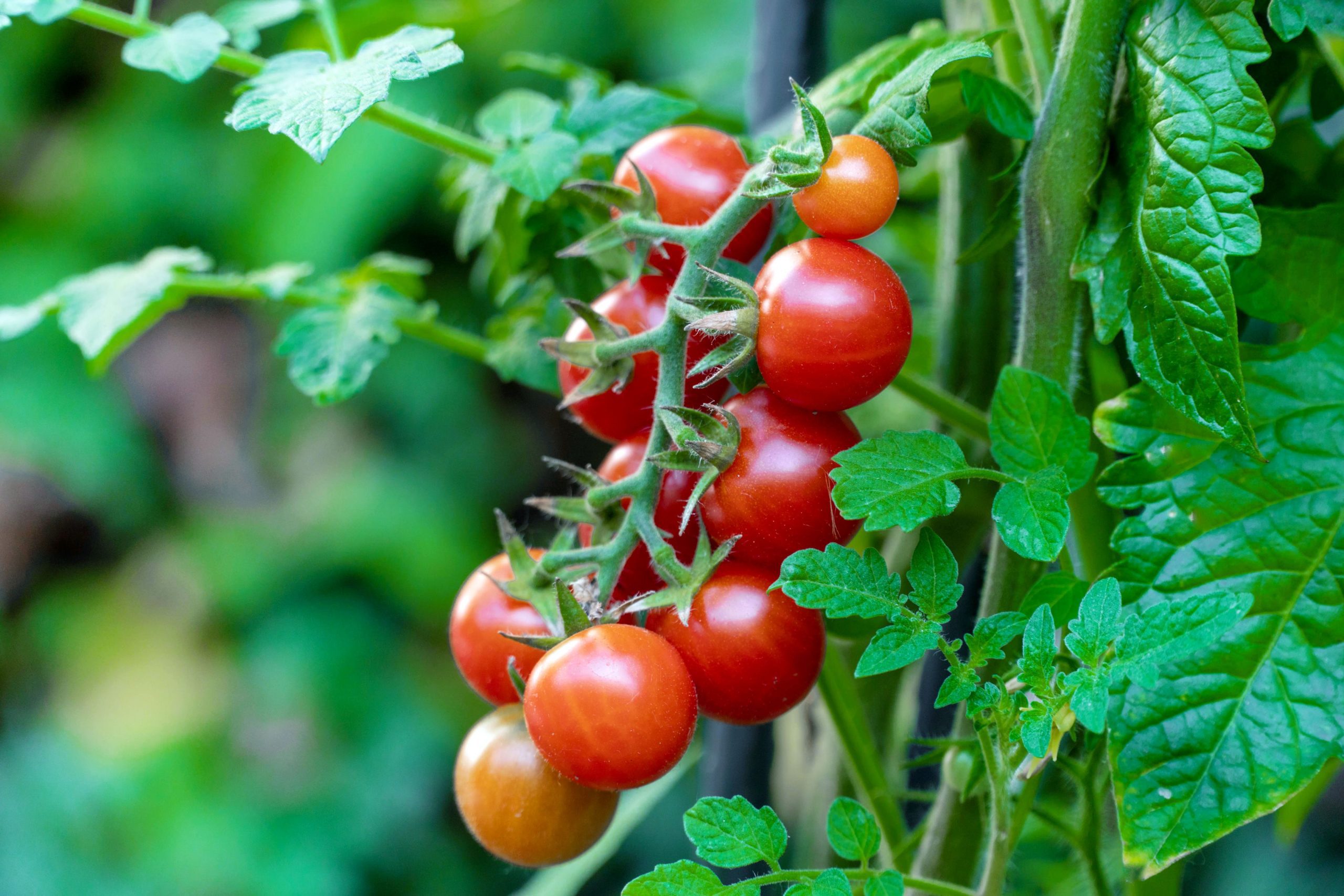
The Minister for Food and Agriculture, Eric Opoku, has delivered a bold assurance to Parliament, pledging that Ghana will effectively halt the importation of tomatoes within the next three to four months through an aggressive local production drive.
Appearing before the Committee on Government Assurances on Thursday, the Minister outlined a comprehensive strategy designed to achieve self-sufficiency, boost irrigation infrastructure, and address the economic challenges facing Ghanaian farmers due to fluctuating food prices.
Responding to concerns over the country’s heavy reliance on neighboring countries for vegetables, Eric Opoku announced that the Ministry is rolling out extensive, rapid-yield interventions to completely reverse the trend.
The Ministry’s strategy relies heavily on modern infrastructure to sustain year-round production. The state is drilling and equipping boreholes with solar pumps to deliver a consistent water supply directly to the fields. Additionally, in areas expecting high volumes of commercial farming, the ministry is providing protective fencing to secure crop yields for local families.
Ambitious irrigation projects are also underway, with the government currently developing 60 hectares of irrigated land. This infrastructure drive targets key production hubs, including the Chukotan area, Mkwaben in the Nkoranza district, and several farming communities across the northern belt.
”The President has taken a special interest in this and has directed that we bring an end to the importation of tomatoes into this country, and we will do just that,” Minister Opoku stated. “Keep us to the three-to-four-month timeline; the results will be out there for the Ghanaian people to see.”
He added that because a massive production boom is anticipated, the ministry is already engaging agro-processors to guarantee off-take agreements, ensuring that farmers have an immediate market and that excess produce does not go to waste.
Addressing broader concerns regarding fluctuating food prices, he offered a candid assessment of the agricultural sector’s economic realities, describing what he termed the paradox of “good-bad” and “bad-good” market cycles.
He explained that the country is currently experiencing a “good-bad” cycle, a period of massive food abundance. While this market glut is excellent news for consumers because food is cheap and affordable, it is detrimental to farmers who are currently struggling to recoup their initial investments.
Conversely, the Minister recalled the “bad-good” cycle of 2024, where a severe dry spell triggered food shortages. While high prices pushed consumers into hardship, the few farmers who managed to harvest crops made significant profits.
Warning that persistent low returns could cause disillusioned citizens to abandon agriculture entirely, Minister Opoku revealed that a structural relief package has been presented to the executive.
”We have made a proposal to the President and Cabinet to see what can be done to mitigate the impact of what we are witnessing on our farming families,” he said.
The Minister concluded by emphasizing that while short-term relief measures like the ongoing emergency distribution of free fertilizer are keeping farmers afloat, the ultimate solution lies in industrialization. He noted that long-term stability will only be achieved by aggressively incentivizing private investment into secondary production and agro-processing, creating a sustainable, predictable market for local yields.
Eugenia Ewoenam Osei