Parliament’s Committee on Government Assurances has demanded a full inquiry into the Ministry of Food and Agriculture following revelations that almost all 50 donor-funded pickup trucks valued at over GHS 10 million were auctioned off less than four years after being received.
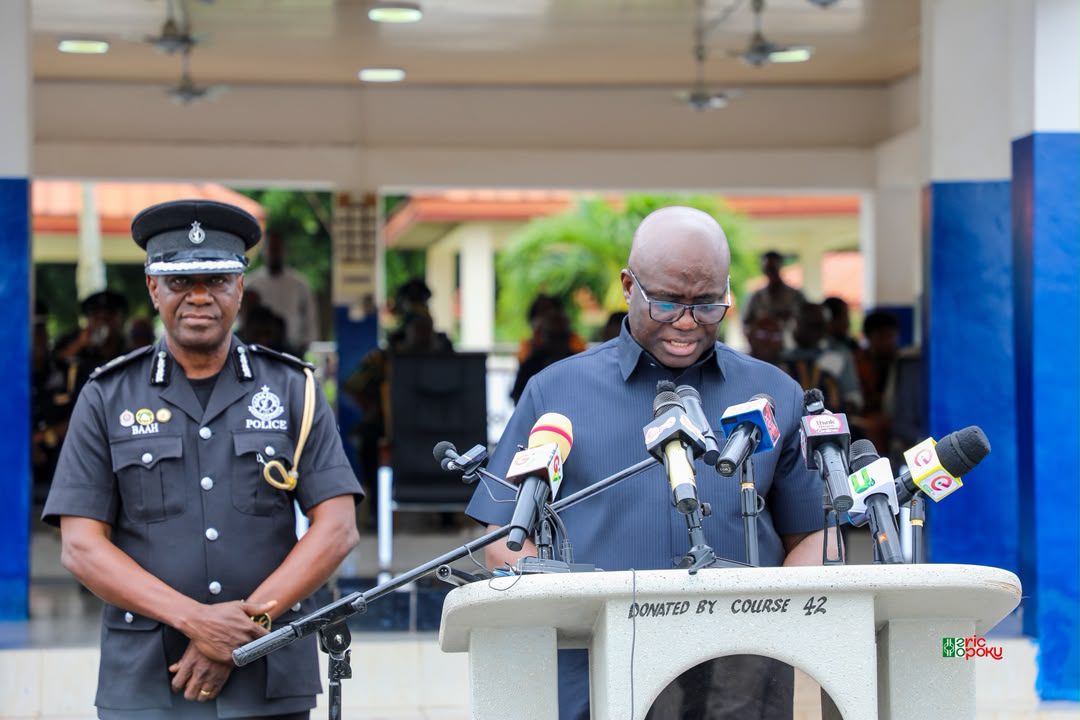
The disclosure was made today, Thursday, July 9, by the Minister responsible for Agriculture, Eric Opoku, during a committee hearing.
The fleet of 50 double-cabin vehicles was procured in March 2021 under Canada’s Modernising Agriculture in Ghana (MAG) Programme. The donation was explicitly intended to strengthen agricultural extension service delivery and support field operations within Ghana’s six newly created regions and their respective districts.
However, when questioned about the current state and whereabouts of the fleet by the Committee’s Chairman, Dominic Nitiwul, Eric Opoku admitted that a larger lot of 50 pickup trucks had already been auctioned off before the close of 2024.
The disclosure sparked immediate concern regarding the lifespan, maintenance, and premature disposal of critical state and donor-funded assets.
In response to the revelation, the Chairman directed the Minister to provide a comprehensive, formal account to the committee detailing the circumstances, justification, and financial returns of the auction.
Despite the setback with the pickup trucks, the Minister reported progress on other agricultural logistics. He informed the committee that 500 motorbikes have successfully been distributed to 500 extension officers across various districts to aid their mobility and support local farmers.
Background of the MAG Donation
The controversial auction traces back to March 2021, when the Canadian government handed over the double-cabin pickups to MoFA. The MAG programme was designed to modernize Ghana’s agricultural sector, with a heavy emphasis on empowering extension officers to reach remote farming communities.
With the pickups sold off in less than four years, the Ministry now faces intense scrutiny over whether the terms of the Canadian grant were compromised and how it plans to sustain regional agricultural oversight moving forward.
Eugenia Ewoenam Osei