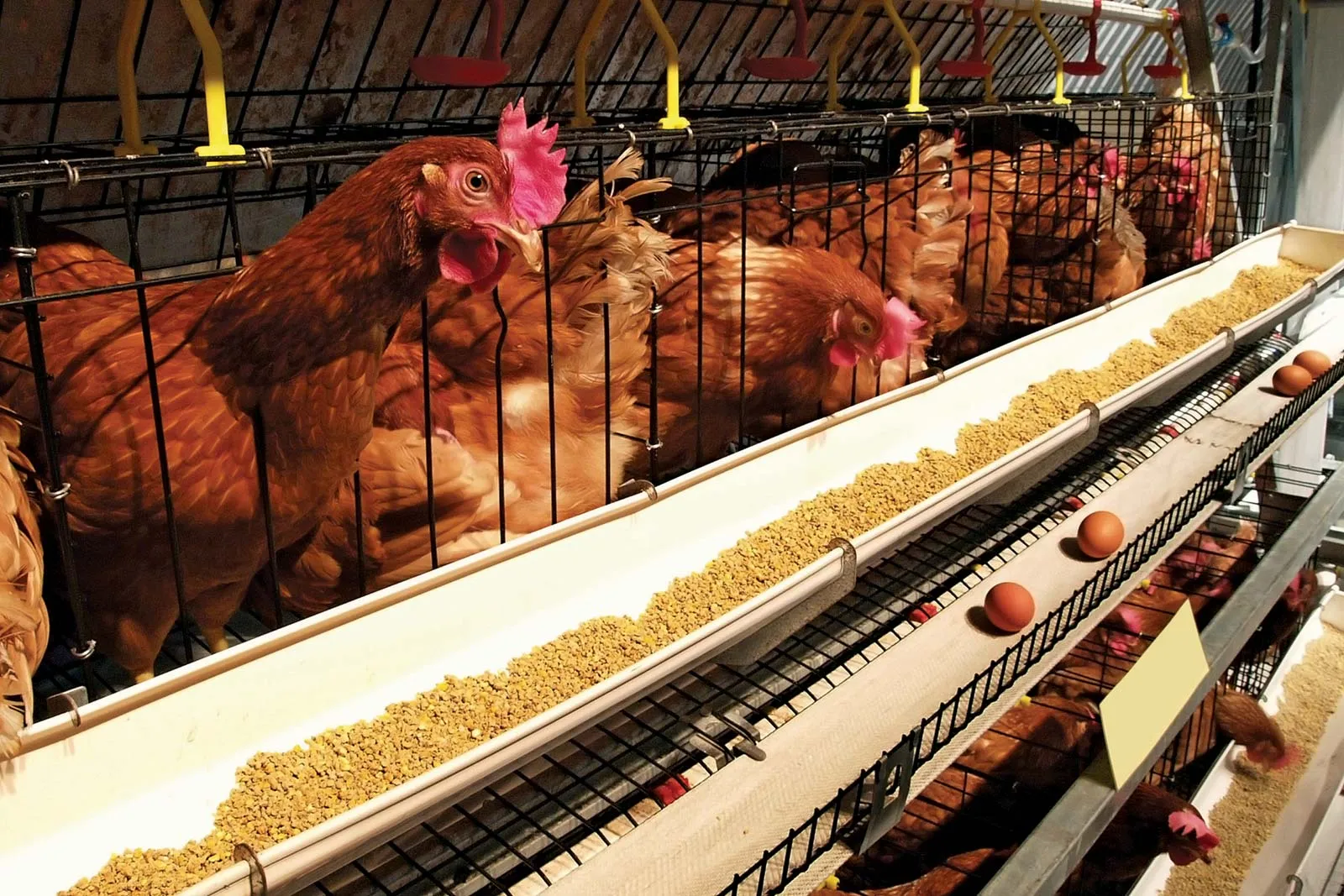
The Ministry of Food and Agriculture has advanced plans to procure and distribute birds directly to Members of Parliament, an initiative aimed at encouraging lawmakers to venture into commercial poultry production and lead the nation’s agricultural modernization by example.
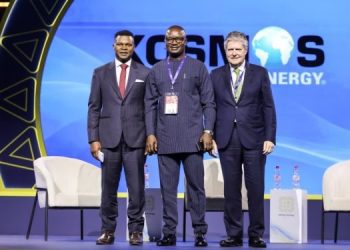
The sector minister, Eric Opoku, announced the initiative on Thursday during an appearance before Parliament’s Committee on Government Assurances.
The move is part of a broader national strategy under the government’s Nkokɔ Nkitinkiti programme, which aims to aggressively scale up domestic poultry production, reduce reliance on foreign imports, and secure long-term livelihood streams for public officials post-retirement.
Addressing the committee, Eric Opoku revealed that a formal proposal will soon be tabled before Parliament. He emphasized that the initiative is designed to stimulate interest among lawmakers who possess the capacity and influence to scale up operations successfully.
”Plans are far advanced,” Minister Opoku told the committee. “The Ministry is procuring a specific quantity of birds mainly for Members of Parliament. When I appear before the House, I will indicate how we want members to prepare themselves toward it so that as soon as the birds are ready, we can distribute them.”
The Minister, himself a poultry farmer, noted that roughly 67% of Ghanaian MPs are already quietly engaged in various forms of farming. He argued that institutional backing for poultry would provide a viable economic cushion for lawmakers.
The Committee’s Chairman echoed this sentiment, noting that such agricultural interventions could prevent former public officials from facing financial hardship after leaving office.
The MP-focused initiative coincides with an aggressive expansion of the Nkokɔ Nkitinkiti project. The Minister announced that the Ministry is entering the third phase of the programme, which involves the procurement of 4 million birds dedicated to supporting existing commercial poultry farmers nationwide.
”They have the facilities, the experience, and the skills. We only want to build their capacity to scale up because private processing investments are coming up,” the Minister explained.
Addressing challenges under earlier phases of the backyard poultry intervention, the Minister expressed concern over the immediate consumption of birds by some beneficiary households, rather than rearing them for production.
To prevent mortality and mismanagement, the Ministry has changed its strategy in regions like the Western Region, where thousands of birds are currently being brooded for a month at state facilities before final distribution.
Beyond poultry, the Minister provided updates on crop production interventions, confirming that 1,500 bags of fertilizer have been distributed to all agricultural constituencies to support smallholder farmers.
Explaining the shift from the traditional subsidy regime to a free distribution model, he cited consecutive agricultural shocks. Following a devastating dry spell in the northern belt in 2024 that wiped out investments, the country subsequently faced a market glut that suppressed farmers’ incomes.
”Our team realized that even with a three-fourths subsidy, smallholder farmers would still struggle to purchase inputs due to the market challenges,” the Minister stated. “We are using free fertilizer as an emergency cushion to keep our farmers in production until the agricultural space normalizes, at which point we will revert to the standard subsidy programme.”
Eugenia Ewoenam Osei