Ghanaian vaccine and pharmaceutical manufacturers are set to gain a structured pathway to a continental market of about 1.4 billion people following Ghana’s decision to join the African Pooled Procurement Mechanism (APPM).
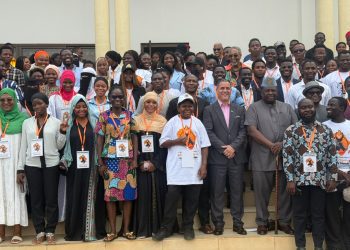
The Government of Ghana, represented by Health Minister Kwabena Mintah Akandoh, signed a Memorandum of Understanding with the Africa Centres for Disease Control and Prevention (Africa CDC), represented by Director-General Dr Jean Kaseya, in Accra on August 21, 2026.
The agreement is expected to expand market opportunities for Ghanaian manufacturers by creating a structured pathway for locally produced, quality-assured pharmaceuticals, vaccines and medical equipment to reach all 55 African Union member states through Africa CDC’s pooled demand system.
The arrangement could address one of the major constraints facing Ghana’s emerging pharmaceutical and vaccine manufacturing industry, the limited size of the domestic market and uncertainty over sustained demand for locally manufactured products.
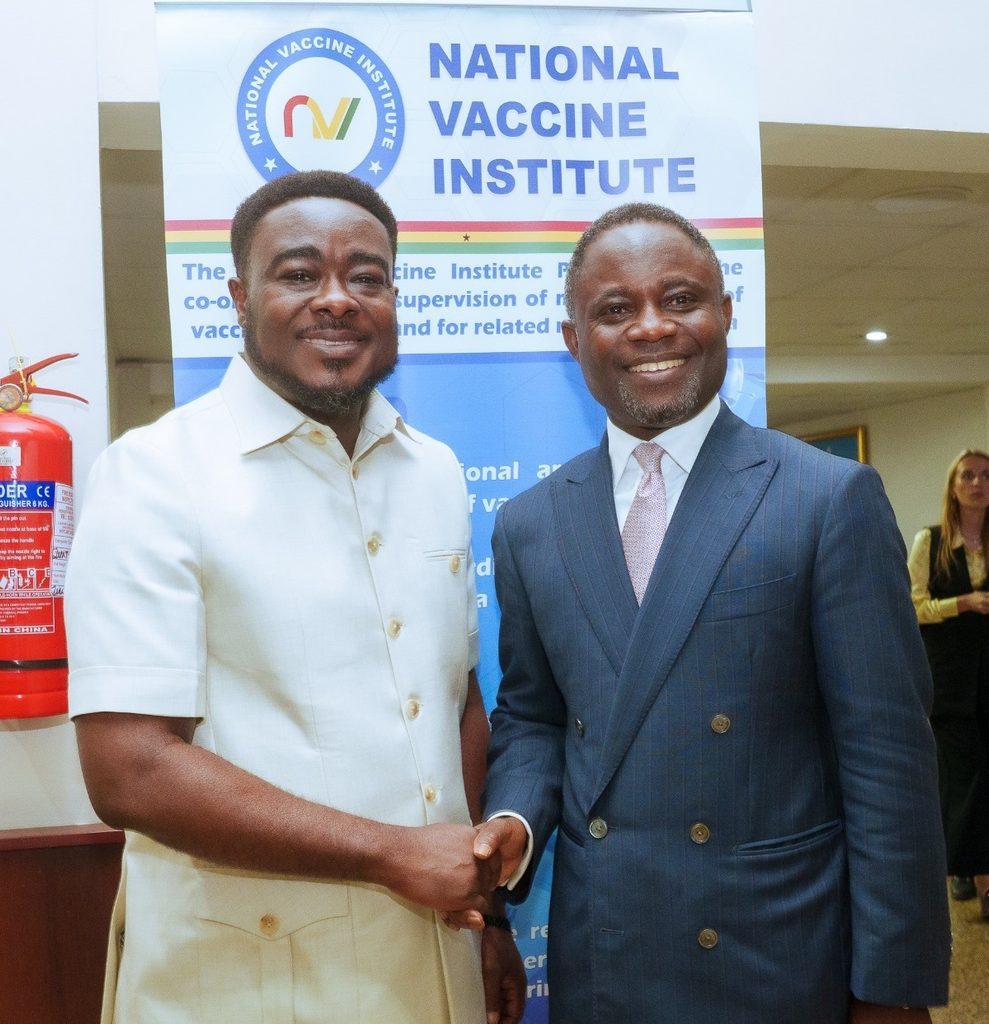
Chief Executive Officer of the National Vaccine Institute (NVI), Dr Sodzi Sodzi-Tettey, described the agreement as a defining moment for Ghana’s pharmaceutical manufacturing ambitions.
“For years, our local manufacturers have been constrained by a market of 33 million. With APPM, we now have access to a market of 1.4 billion Africans,” he said.
According to the NVI, the APPM aggregates demand across participating African countries to create a larger and more predictable market for African-made health products.
The Institute said the mechanism is expected to strengthen the commercial viability of local manufacturing investments while improving access to affordable, quality-assured health products and enhancing Africa’s collective purchasing power and health security.
Government pushes local vaccine production
Health Minister Kwabena Mintah Akandoh said the agreement gives practical effect to President John Dramani Mahama’s commitment at the Ghana Vaccines Manufacturing Investment Forum in August 2025 to prioritise locally manufactured vaccines and pharmaceuticals in public procurement.
The President had also pledged government support to help Ghanaian manufacturers access regional markets and participate in the APPM.
Mr Akandoh said Ghana’s participation would be complemented by efforts to establish an Advance Purchase Commitment system, designed to reduce investment risks associated with local pharmaceutical manufacturing.
Dr Sodzi-Tettey said the continental market created through the mechanism would be particularly important as Ghana expands domestic production.
He cited plans to manufacture Tetanus-Diphtheria vaccines and Anti-Tetanus Serum in 2026, alongside other essential products. He also said Snake Venom Anti-Serum was manufactured in Ghana in 2025.
The agreement also seeks to support the government’s ambition to establish Ghana as a regional hub for vaccine and pharmaceutical manufacturing.
FDA retains regulatory authority
Despite Ghana’s participation in the continental procurement mechanism, the agreement does not transfer regulatory control over medicines and vaccines away from the country.
According to the NVI, all procurement under the APPM will remain subject to the exclusive regulatory authority of Ghana’s Food and Drugs Authority (FDA) in areas including marketing authorisation, import control, batch release and post-market surveillance.
The Institute noted that Ghana’s FDA has attained World Health Organization Maturity Level 3 status for medicines regulation.
Accra to host regional meeting in November
The next stage will be to operationalise Ghana’s participation in the mechanism.
The NVI and Africa CDC are expected to jointly advance implementation during a Regional Meeting on the APPM in Accra in November 2026.
The meeting will bring together political leaders, policymakers, regulators, manufacturers and procurement agencies to agree on the APPM Supply Catalogue, technical specifications and implementation arrangements.
For Ghana, the agreement represents an attempt to link the country’s growing pharmaceutical manufacturing capacity to a significantly larger African market, while creating the predictable demand needed to attract and sustain investment in domestic vaccine and pharmaceutical production.