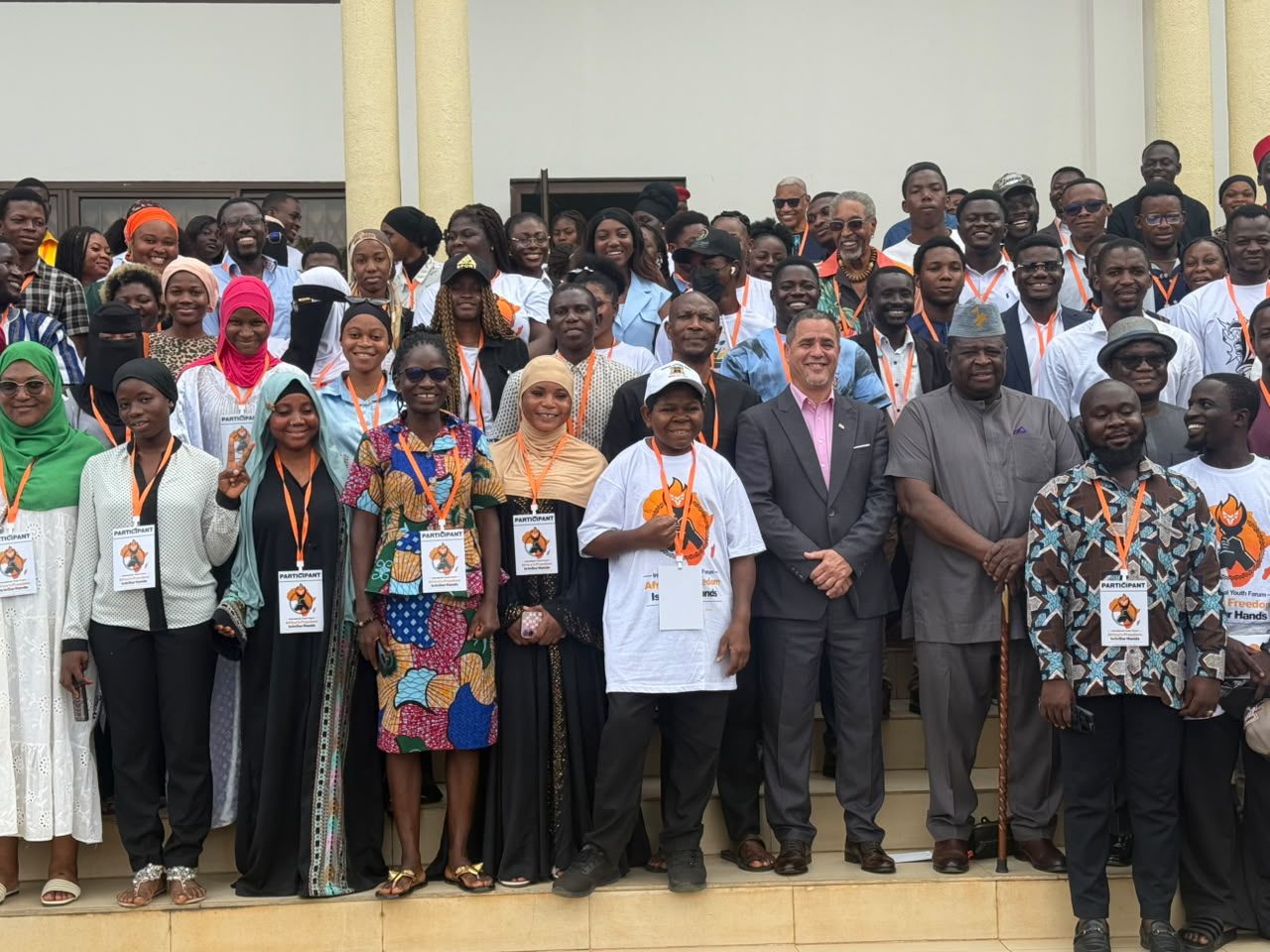
Calls for debt cancellation, reparatory justice and the reform of the global financial system dominated discussions at a major Pan-African youth forum held at the University of Ghana, Legon, where political leaders, diplomats, academics, activists and students urged Africa to pursue economic sovereignty and confront the legacy of slavery, colonialism and neo-colonial exploitation.
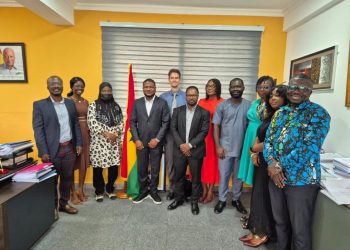
The forum, held under the theme “Youth of Africa; Africa’s Freedom is in Our Hands,” brought together representatives from Ghana, Mali, Burkina Faso, Niger and other African countries, alongside members of the diplomatic community, youth leaders and Pan-African organizations.
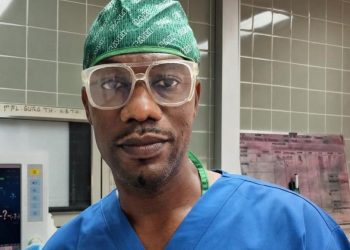
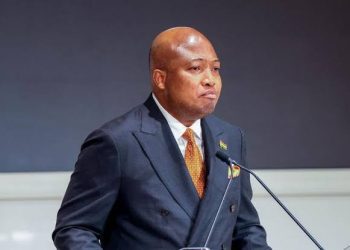
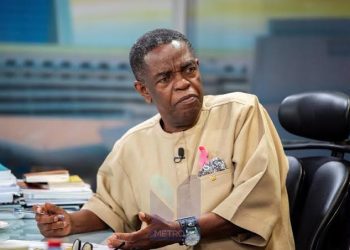
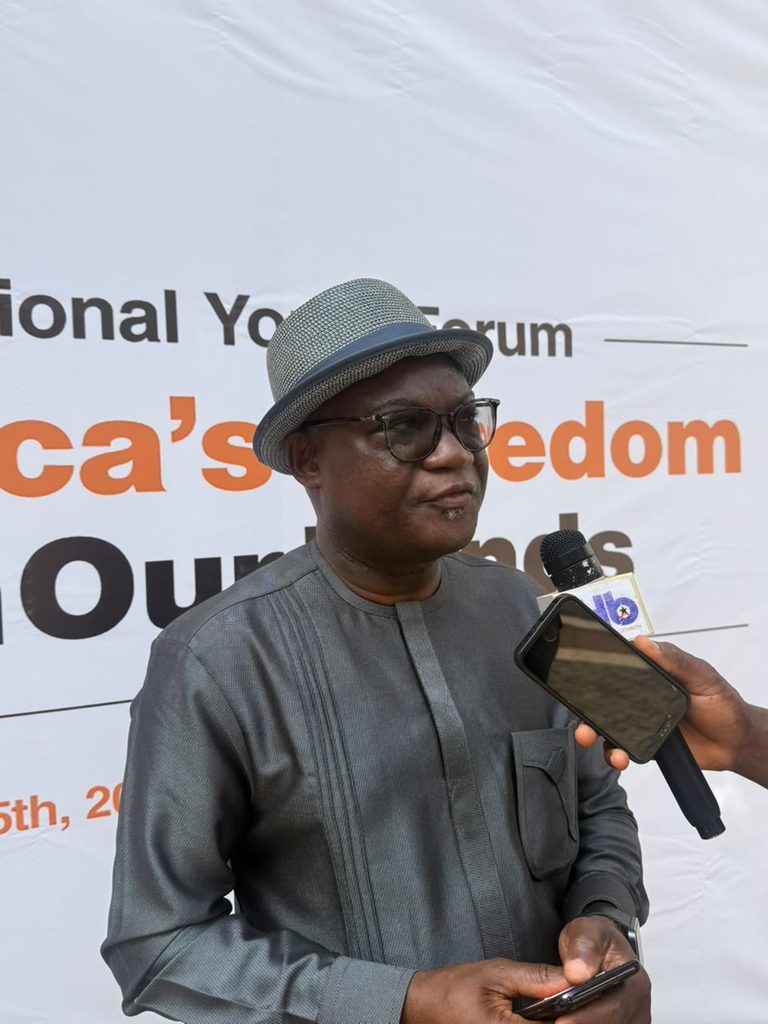
Speakers at the event included the Head of the Pan African Progressive Front (PPF), Dr. Humphrey Quaye, former CPP presidential candidate Dr. Abu Sakara, Coordinator Director for Multilateral Relations at the Ministry of Foreign Affairs Francis Kotia, veteran Pan-Africanist Kwesi Pratt Jnr., ambassadors from various African countries and student representatives.
Opening the forum, Dr. Humphrey Quaye described Africa’s debt burden as a continuation of historical exploitation, arguing that the continent’s economic challenges cannot be separated from centuries of slavery, colonialism and the extraction of African resources.
“The so-called debt crisis of Africa is not an accident, neither is it an African creation. It is the continuation of the same plunder of slavery, colonialism, neo-colonialism and imperialism by other refined means,” he said.
According to Dr. Quaye, discussions on debt must be linked to demands for reparations, restitution and economic justice. He called on young Africans to lead a continental movement aimed at securing reparative justice and ending economic dependency.
He highlighted the growing role of the Pan African Progressive Front in mobilizing progressive organizations across Africa and the diaspora and pointed to the landmark Pan-African conference held in Accra in November 2025, which adopted the Accra Declaration and a Special Declaration on Reparations.
The declarations called for the establishment of a Joint Institute for the Assessment of Damage and Documentation of the Colonial Legacy, a Pan-African Reparations Justice Fund and intensified efforts to secure the return of looted African cultural artefacts.
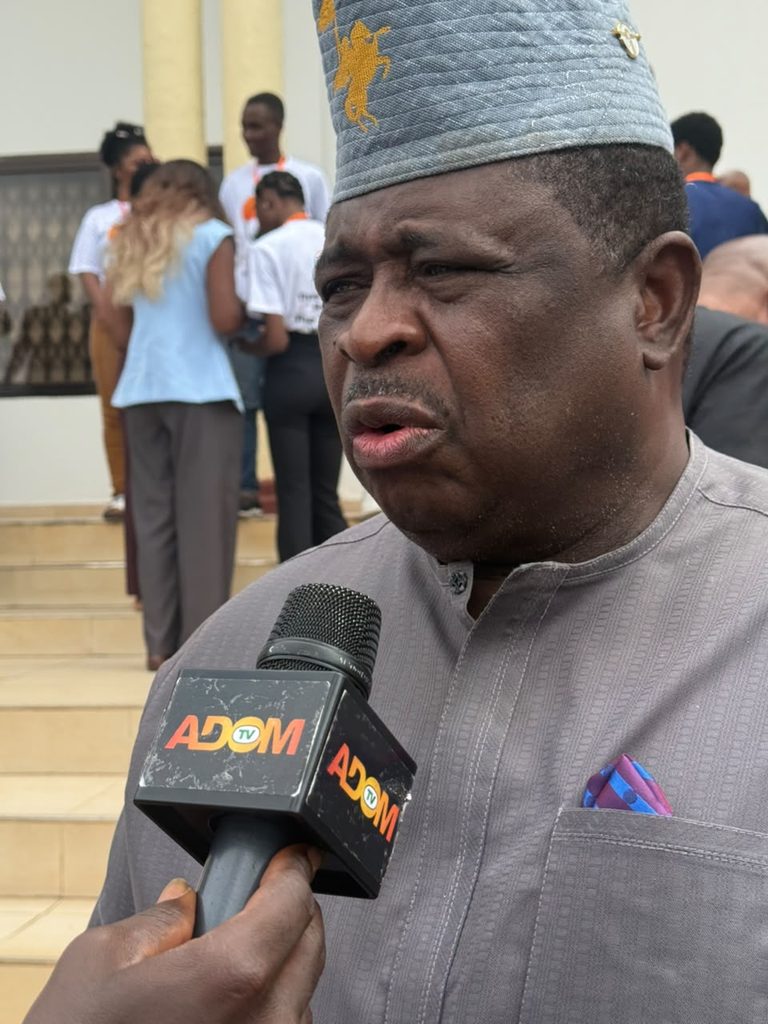
Former CPP flagbearer and Gonja statesman Dr. Abu Sakara, known in traditional circles as Kakulasewura Sakura Kankan Maji, argued that Africa’s quest for justice should focus not only on financial compensation but also on dismantling global systems that perpetuate inequality.
He called for a fundamental restructuring of the international financial architecture, insisting that economic sovereignty can only be achieved when African nations are able to exercise greater control over their resources and development.
“It is not about sharing money, but about removing the constraints that bind us so that we can deploy positive change,” Dr. Sakara stated.
He maintained that the existing global economic system disproportionately benefits developed nations while African countries receive only a fraction of the value generated from their resources.
Dr. Sakara stressed that structural reforms would have a more lasting impact than one-time financial settlements, particularly for young people and future generations seeking economic opportunity and empowerment.
Speaking on behalf of the Minister for Foreign Affairs, Francis Kotia outlined Ghana’s efforts to advance the international reparations agenda following the adoption of the landmark United Nations Resolution A/RES/A.RBS/80/250 on reparatory justice.
He said the resolution, adopted in March this year with the support of 123 UN member states, had created new momentum for global action on reparations and historical accountability.
Mr. Kotia announced that Ghana was working with international partners to operationalize the resolution through the establishment of a Global Advisory Council chaired by President John Dramani Mahama, a Legal Panel of experts from Africa and the diaspora, and a Global Panel on the Restitution of Cultural Heritage.
He cited growing international commitments, including pledges by European countries to return looted African artefacts and support ongoing discussions on reparatory justice.
“We must now move from declaration to delivery,” he emphasized.
The forum also heard contributions from veteran journalist and Pan-African advocate Kwesi Pratt Jnr., ambassadors and student leaders, who underscored the need for African unity, youth participation and stronger continental institutions capable of defending Africa’s economic interests.
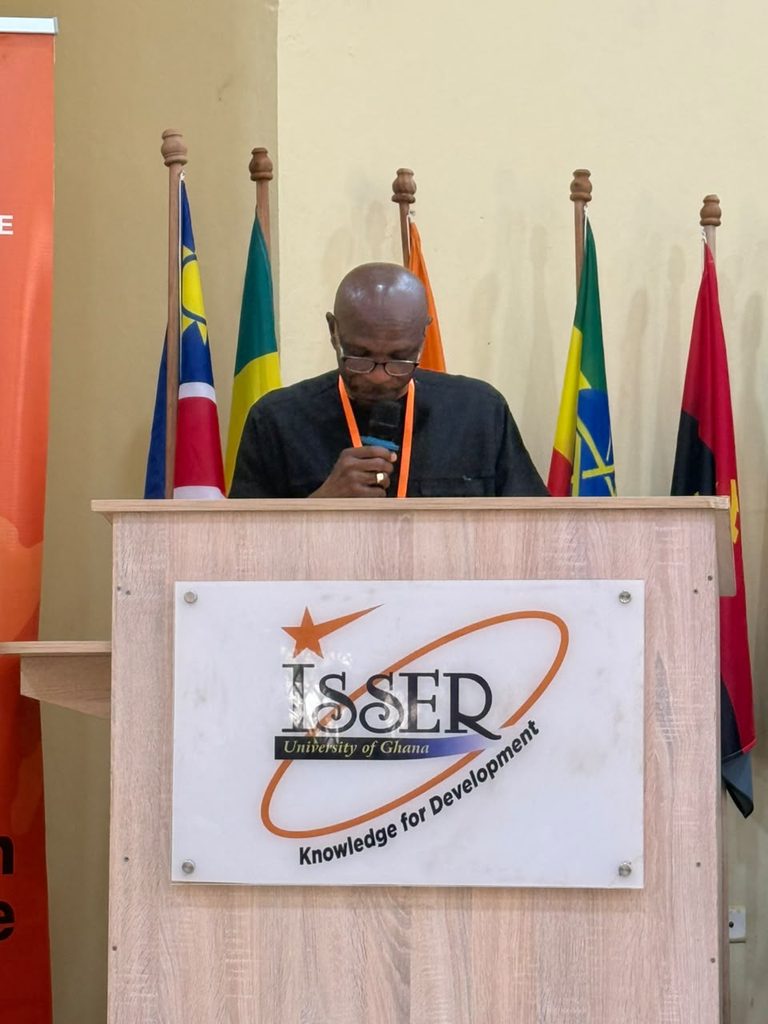
Participants argued that young Africans must play a central role in shaping policies affecting debt, development and international economic relations, noting that future generations would bear the consequences of decisions being taken today.
At the conclusion of the event, delegates from Ghana, Mali, Burkina Faso, Niger and other African countries adopted a joint resolution demanding a full audit of Africa’s sovereign debt, the cancellation of debts linked to colonial-era exploitation and the pursuit of reparations for the wealth extracted from the continent through slavery, colonialism and neo-colonial systems.
The youth declaration also expressed support for the Alliance of Sahel States (AES), called for greater transparency in debt negotiations, demanded the return of stolen African cultural artefacts and urged international financial institutions to engage in meaningful debt relief and economic justice initiatives.
Participants further committed themselves to building a continent-wide network of youth movements dedicated to advancing Pan-African ideals, promoting economic sovereignty and sustaining advocacy for reparatory justice.
The forum concluded with a renewed call for African governments, international institutions and development partners to move beyond declarations and take concrete steps toward addressing historical injustices and creating a fairer global economic order.
For many of the students gathered at the University of Ghana, the message was clear: Africa’s political independence remains incomplete without economic liberation, and the responsibility for advancing that agenda now rests with a new generation determined to shape the continent’s future.
Story by Osman Issah Abadoo