President John Dramani Mahama has renewed calls for reparatory justice for Africans and people of African descent, arguing that the consequences of slavery, colonialism and the exploitation of African resources continue to shape global economic inequalities.
He said the historical injustices associated with the transatlantic slave trade were not merely events of the past but had left enduring economic and social consequences that continue to affect Africa and its diaspora.
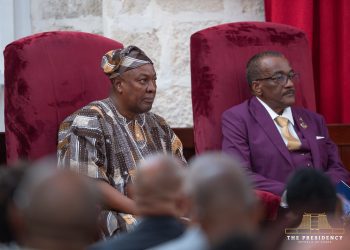
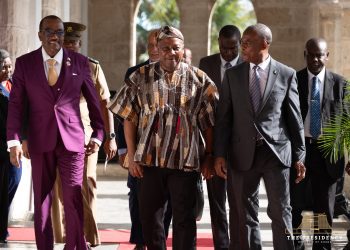
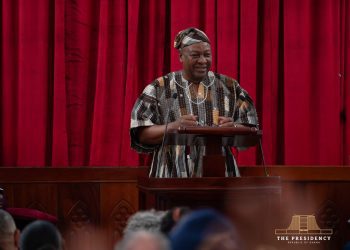
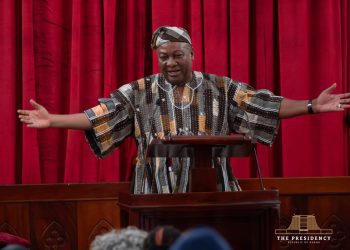
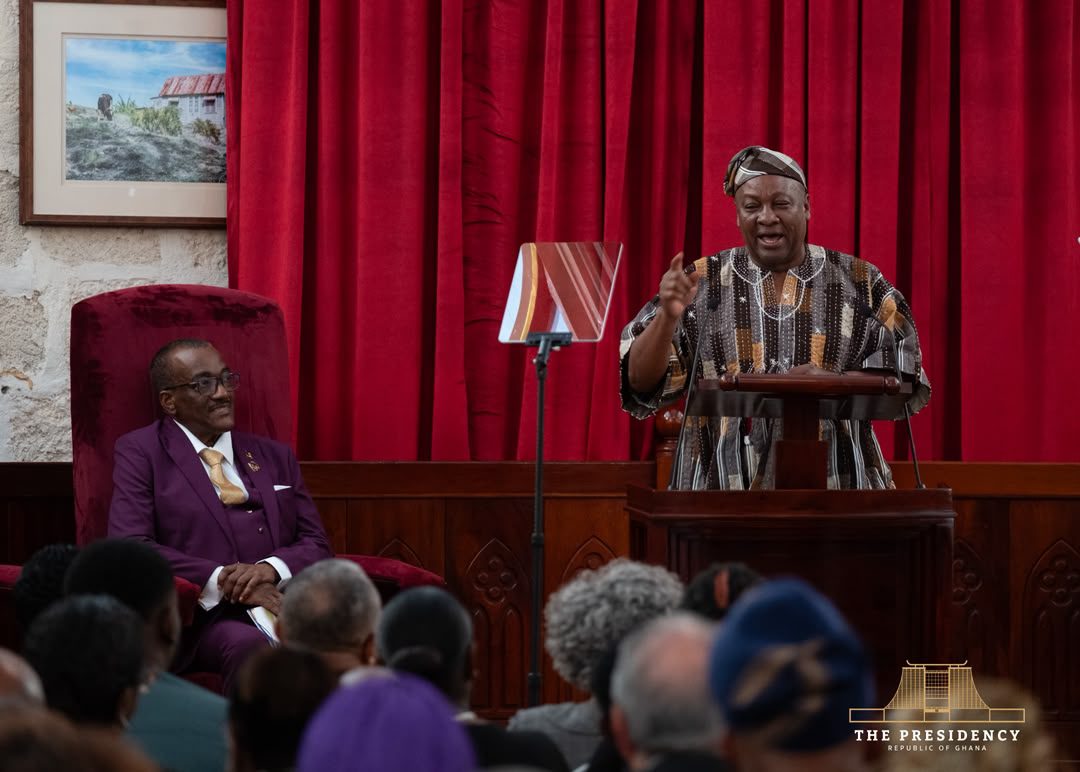
Addressing a joint session of the Parliament of Barbados during his state visit to the Caribbean nation, President Mahama called for sustained international action to address the historical wrongs committed against African people and their descendants.
He maintained that reparatory justice must go beyond acknowledging the atrocities of slavery to confronting the structural inequalities inherited from centuries of exploitation.
“As President of Ghana, a nation whose coastline, forts and castles bear witness to the trafficking of enslaved Africans, I cannot ignore the unfinished business of reparatory justice in this Parliament,” he stated.
President Mahama observed that the forced enslavement of Africans had generated enormous wealth for Europe and North America through the extraction of African labour, resources and human potential.
He further argued that the abolition of slavery did not bring justice to the victims, noting that enslaved Africans received no compensation for their stolen labour and suffering.
“When slavery was abolished, the enslaved were not compensated for stolen wages and suffering. Instead, the enslavers received vast sums of money from imperial treasuries, with taxpayers repaying these debts well into the 21st century,” he said.
According to him, the consequences of that historical injustice remain evident in contemporary development challenges, including infrastructure deficits, public health burdens, chronic underdevelopment and structural inequalities in the international economic system.
“The legacies of that system are not ancient history. They are evident today in chronic underdevelopment, infrastructure deficits, public health burdens and global structural inequities,” the President told the legislators.
President Mahama called on African countries and people of African descent to sustain the campaign for reparatory justice in response to slavery, colonialism and the exploitation of their natural resources and cultural heritage.
He described the adoption of a United Nations General Assembly resolution declaring the trafficking and chattel enslavement of Africans as the gravest crime against humanity as an important milestone in the struggle.
The Ghanaian leader said he had the privilege of leading the initiative but stressed that the resolution represented only the beginning of a much longer process.
“The adoption of the United Nations General Assembly resolution, which I had the privilege to lead, declared the trafficking and chattel enslavement of Africans as the gravest crime against humanity. This marks an important milestone, but it is only the beginning of a long and consequential journey that we must continue,” he stated.
Reparatory justice is not about revenge
The President was emphatic that the campaign for reparatory justice should not be interpreted as an attempt to seek revenge or reopen historical grievances.
Rather, he said, it was about restoring human dignity, establishing historical truth, promoting accountability and ensuring that the suffering of millions of Africans who endured enslavement was neither forgotten nor diminished.
“Let there be no misunderstanding. Our pursuit is not about retribution or revisiting old grievances, but about upholding human dignity, affirming historical truth, ensuring accountability, advancing reconciliation and healing, and asserting the rightful place of the African race in the world,” he emphasised.
He called for stronger collaboration between African countries and the Caribbean Community (CARICOM) to advance the reparatory justice agenda.
President Mahama specifically referenced the CARICOM Revised Ten-Point Plan and the Accra Next Steps Commitments on Reparatory Justice, agreed upon in Accra in June, as important frameworks for advancing the cause.
He urged Africans and people of African descent to take a leading role in shaping the global conversation on historical injustice and restoring African agency.
Honouring the victims of slavery
President Mahama also paid tribute to the millions of Africans who suffered and died during the transatlantic slave trade, particularly those whose remains lie beneath the sugarcane fields of Barbados and the Atlantic Ocean.
He made specific reference to King Cuffie, Bussa and other historical figures who resisted enslavement and fought for freedom and human dignity.
He said the unveiling of the statue of King Cuffie and the solemnisation of the Newton Burial Grounds represented important efforts to preserve the memory of Africans who endured the brutality of slavery.
“To preserve the integrity of our shared history and honour the millions who perished, including King Cuffie, the 574 buried at Newton and the countless others nationwide, Africans and people of African descent must continue to speak out and lead in restoring African agency and shaping our collective destiny,” he said.
The President also invoked the words of Jamaican reggae legend Peter Tosh in his 1977 song African, which speaks to the shared identity of people of African descent irrespective of nationality.
Quoting the song, he reinforced the message that Ghanaians, Barbadians, Nigerians, Jamaicans and other people of African descent share a common heritage that transcends national boundaries.
Ghana appreciates Barbados’ support
President Mahama expressed Ghana’s appreciation to Barbados for its longstanding support for the international reparatory justice campaign.
He particularly commended Prime Minister Mia Amor Mottley for her leadership and partnership with Ghana in advocating for historical redress and a fairer international order.
He said Barbados’ advocacy through successive administrations and regional institutions demonstrated its commitment to confronting historical injustices and securing a more equitable future for coming generations.
President Mahama maintained that the partnership between Ghana and Barbados must be strengthened to ensure that the historical connections between Africa and the Caribbean translate into coordinated action for justice, economic transformation and shared prosperity.
The address formed part of his five-day state visit to Barbados from November 26 to 30, 2026, aimed at strengthening diplomatic, economic and cultural relations between the two countries.
Story: Patrick Asford Boadu