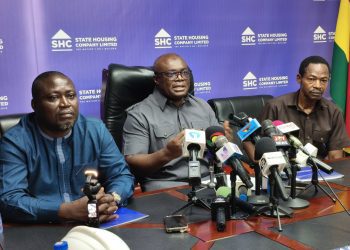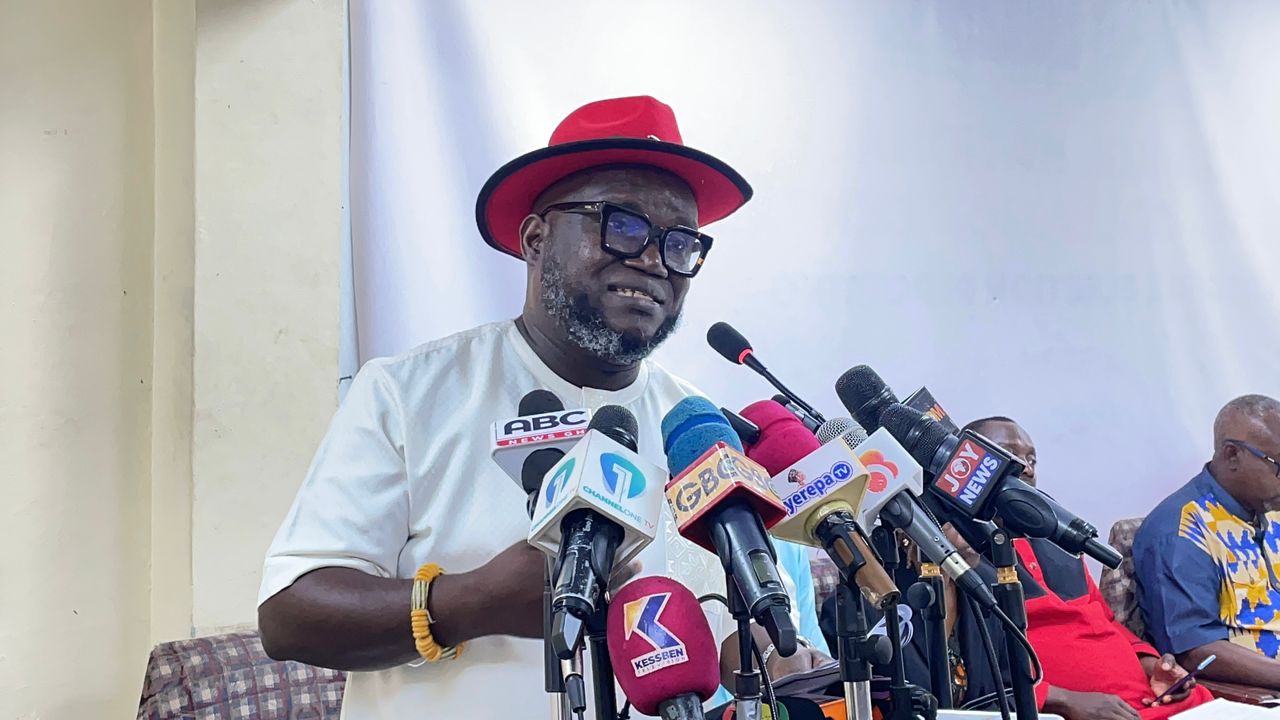
The Coalition Against Galamsey Ghana (CAGG) has issued a rebuke to the government, expressing outrage over what it calls a “catastrophic failure” to address the country’s illegal mining crisis. In an engagement with the media, the coalition criticized the President’s recent remarks on the issue, arguing they risk “giving oxygen to impunity” and undermining years of efforts to combat the menace.
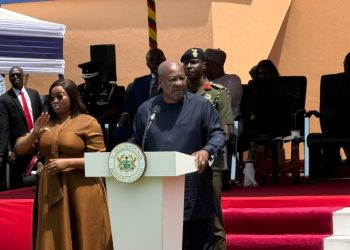
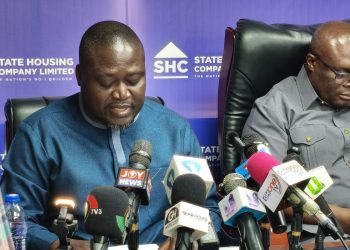
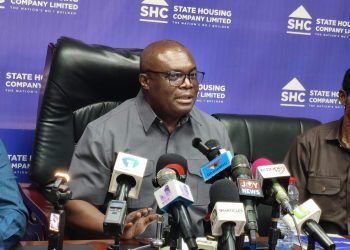
Speaking on behalf of the coalition, the CEO of the Ghana Chamber of Mines, Ing. Dr. Kenneth Ashigbey stated his deep disappointment with President John Mahama’s comments made on September 10, asserting that they seemed to support the “environmental terrorism” of illegal mining and warned that such narratives on a public platform will only roll back progress and embolden perpetrators.
He also highlighted the severe and widespread damage caused by prolonged tolerance of illegal mining. This, he revealed has led to the pollution and destruction of water bodies used by over 20 million people, the loss of productive farmlands for key crops like cocoa, rubber, and oil palm, and the degradation of approximately 50 forest reserves, which poses significant long-term climate risks.
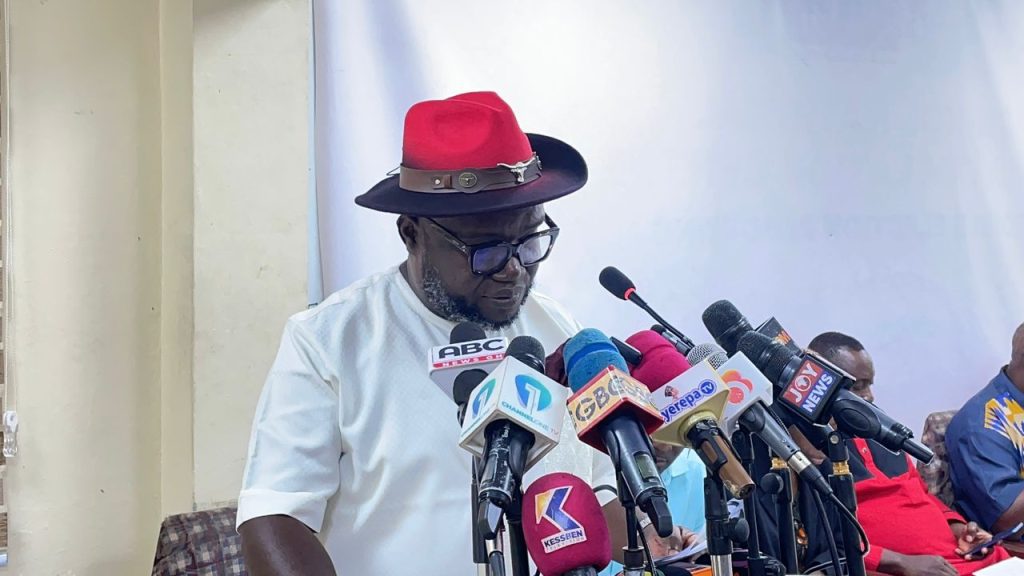
He further argued that the financial burden of this crisis is now being unfairly transferred to the public, pointing to the Ghana Water Company Limited’s (GWCL) request for a staggering 280% increase in water tariffs, which Ing. Dr. Ashigbey described not as a tariff request but as “an invoice being presented to the Ghanaian people for a mess we did not create.”
In his engagement, Dr. Ashigbey cited alarming figures, including a reported turbidity level of 32,000 NTU at the Kwanyarko Water Treatment Plant. He also noted that the Bunso water treatment plant has been shut down for almost a year, while the Kyebi facility operates at a bare minimum capacity and is subject to frequent shutdowns.
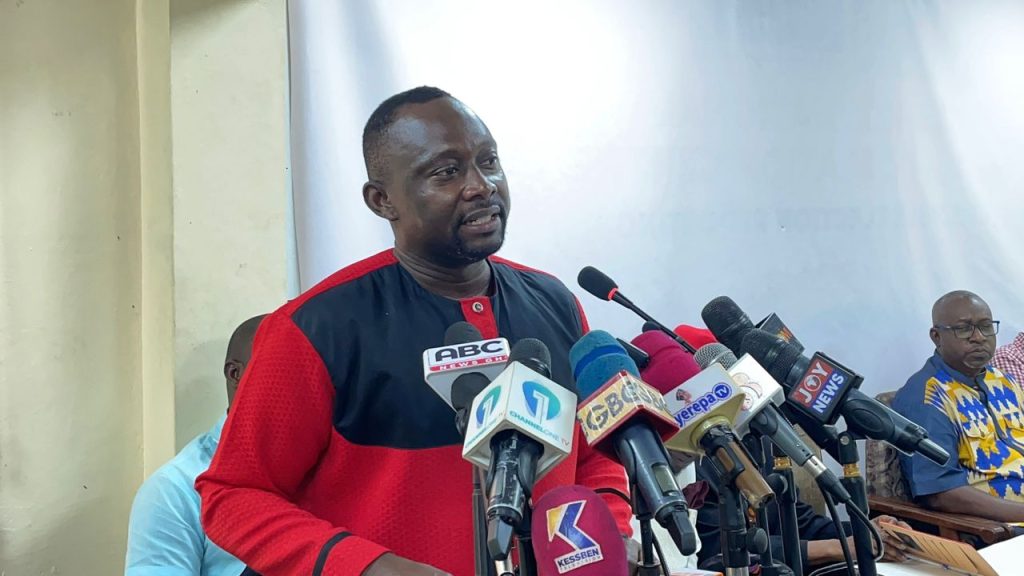
Citing the crisis as a matter of “economic justice” and “the very survival of our society,” the CAGG presented a comprehensive list of demands to the government, urging the President to immediately declare a state of emergency in affected areas, arguing that the situation meets the constitutional criteria, as the actions of environmental criminals are depriving communities of essential services like potable water.
Dr. Kenneth Ashigbey on behalf of the CAGG also called for the dismissal and investigation of Municipal and District Chief Executives (MCEs/DCEs), as well as Police and National Investigative Bureau Commanders in galamsey-endemic areas who fail to halt illegal activities.
He urged the government to urgently provide adequate resources to the newly established National Anti-Illegal Mining Operations Staff (NAIMOS), proposing a direct allocation from Goldbod’s proceeds and the auctioning of confiscated excavators at a reduced value to fund joint enforcement efforts.
He stressed that the police remain the primary agency for tackling illegal activities and called on the Inspector General of Police (IGP) to address persistent corruption within the force and empower district offices with the necessary resources for consistent enforcement, demanding immediate action on the prosecution of high-profile offenders, including those referred to as the “Kinpings of Galamsey” and called for the swift establishment of fast-track courts to prosecute offenders and urged the nullification of cases against community members who have been intimidated for standing up to illegal miners.
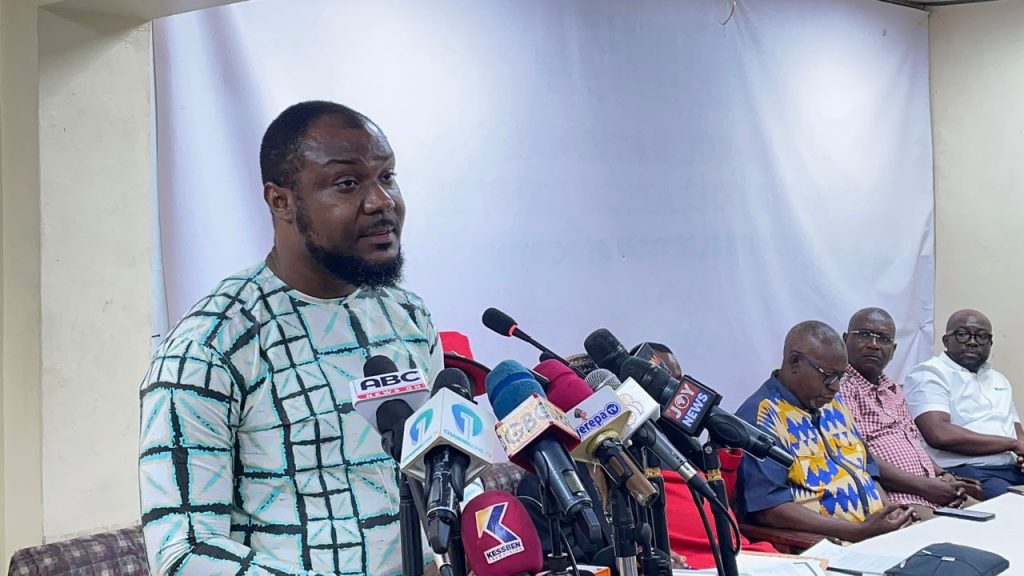
Dr. Ashigbey also requested that the Ghana Water Company Ltd and the Community Water and Sanitation Agency publish monthly water quality data, including turbidity and heavy metal levels, to assure citizens that treated water is within World Health Organization (WHO) acceptable limits.
Additionally, he urged the government to order the immediate registration of all excavators in the country and to publish the names of their owners to foster accountability. Finally, the CAG called on the Minister of Interior to take decisive steps to stop the influx of foreigners involved in gold mining and to reverse the deportation of foreign suspects, instead of dealing with them according to the law.
The CEO concluded with a warning, “We will not accept a future where we cannot afford water because our leaders lacked the courage to stop those destroying it.” Calling on all Ghanaians to make their voices heard.
By: Eugenia Ewoenam Osei