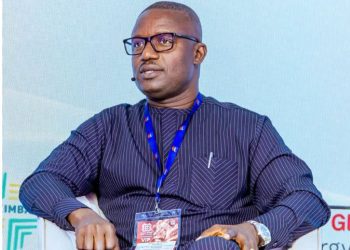
Aspiring National Vice Chairman of the National Democratic Congress (NDC), Dr. Edem Segbefia, has praised the education sector reforms being implemented by the government of President John Dramani Mahama, describing them as a major turnaround that has restored hope to students, teachers, parents, and communities across the country.
Addressing NDC grassroots supporters during an interactive engagement in the Eastern Region, Dr. Segbefia said the Mahama administration inherited an education sector burdened by overcrowded classrooms, stalled infrastructure projects, inadequate learning resources, unpaid allowances, and declining morale among teachers and students.
According to him, the government has since January 2025 embarked on an ambitious reset agenda that is transforming education through increased investment, improved access, enhanced quality, and equitable opportunities.
“Before the NDC returned to office, the education sector was on its knees. Today, the narrative has changed. President John Dramani Mahama is restoring hope to our schools, our teachers, and our children through practical policies that are improving access and the quality of education,” Dr. Segbefia stated.
He highlighted the government’s renewed commitment to the Free Senior High School (Free SHS) programme, noting that GH¢3.5 billion has been allocated to sustain the policy while the uncapping of the GETFund has made an additional GH¢4.1 billion available to improve secondary education.
Dr. Segbefia explained that government is also working to eliminate the double-track system by expanding infrastructure and upgrading schools nationwide, including the elevation of schools from Categories D to C, C to B, and B to A.
“These investments are reducing overcrowding, improving teaching and learning conditions, and ensuring that every Ghanaian child receives quality education regardless of where they live,” he said.
Touching on tertiary education, Dr. Segbefia praised the introduction of the No Fees Stress initiative, describing it as one of the administration’s flagship interventions to remove financial barriers to higher education.
He disclosed that approximately 152,000 first-year students benefited from the programme in 2025, with projections indicating that nearly 220,000 students will benefit in 2026.
Government has allocated GH¢499.8 million to finance free tuition for first-year students in public universities, colleges of education, and nursing training colleges.
Dr. Segbefia further commended the introduction of free tertiary education for persons with disabilities, funded through the GETFund with an annual allocation of GH¢50 million.
“This government believes that disability should never become a barrier to higher education. Every Ghanaian deserves an equal opportunity to pursue their academic dreams,” he emphasized.
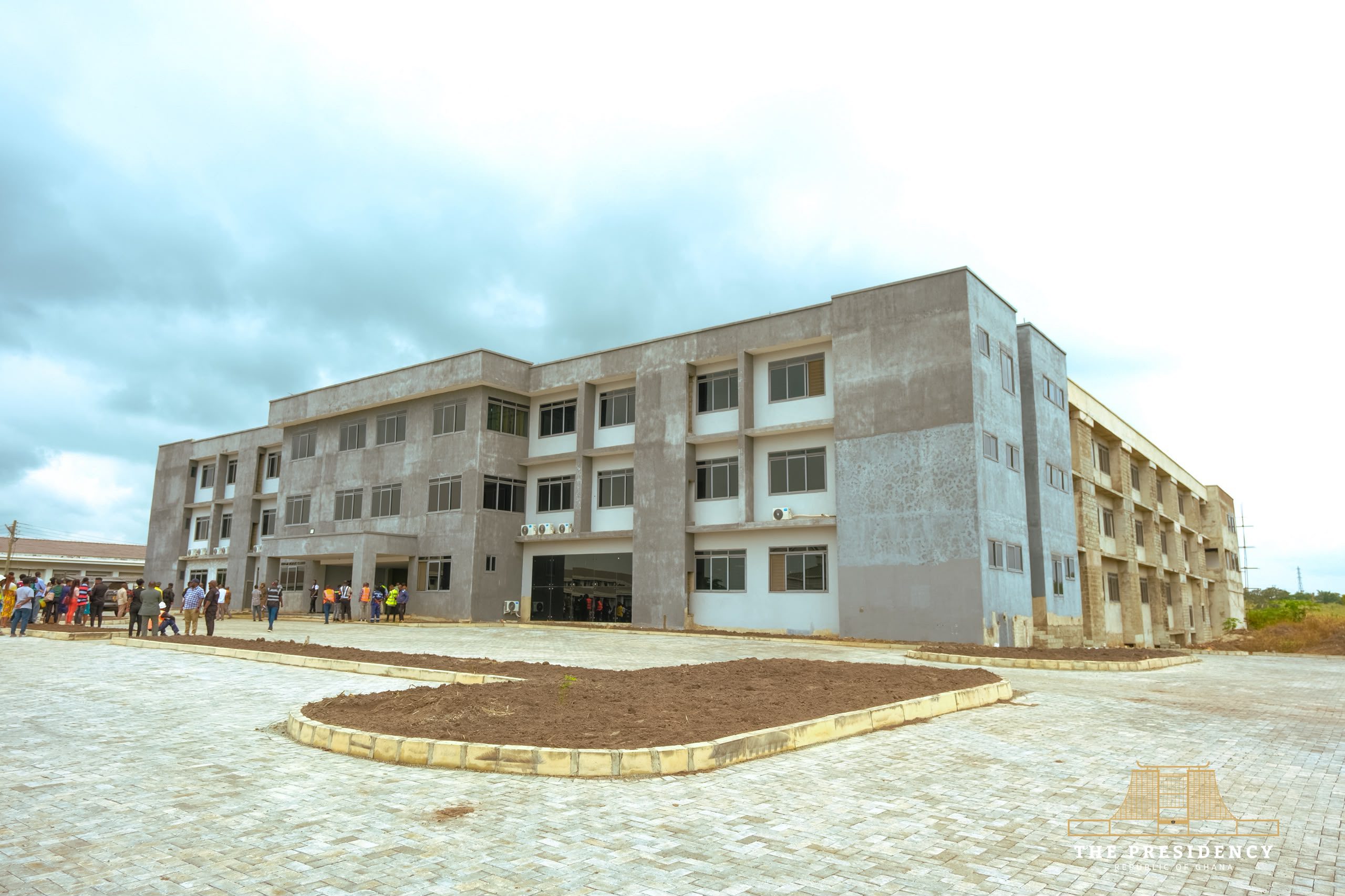
On technical and vocational education, the aspiring National Vice Chairman said the Mahama administration has expanded opportunities for young people by introducing free Technical and Vocational Education and Training (TVET) up to the tertiary level while constructing new regional TVET Centres of Excellence.
According to him, the initiative is equipping thousands of young Ghanaians with practical and industry-relevant skills needed to secure employment and become entrepreneurs.
Dr. Segbefia also applauded measures aimed at improving teacher welfare, including government plans to provide accommodation for teachers alongside new schools, introduce affordable housing and vehicle loan schemes, restore timely textbook supplies, promptly release capitation grants, and complete abandoned E-block and TVET projects.
He further highlighted interventions targeted at girls’ education, revealing that government distributed over 12.2 million free sanitary pads to girls in public schools during 2025, supported by an allocation of GH¢292.4 million.
Additionally, he noted that government has committed GH¢9.1 billion to basic education, describing it as the largest investment in the sector in more than five decades.
“This administration is making the biggest investment in basic education in over 50 years because we understand that the future of Ghana begins in our classrooms,” Dr. Segbefia remarked.
He also praised the National Education Forum held in Ho, saying the broad stakeholder consultations have provided a solid foundation for ongoing reforms, including curriculum reviews aligned with international standards.
Dr. Segbefia further welcomed plans to establish two new public universities in Kintampo and Jasikan, saying the move would expand access to higher education and promote balanced regional development.
Addressing party supporters, he argued that the reforms are directly improving the lives of ordinary Ghanaians by reducing household education costs, expanding employment opportunities for young people through TVET, improving teacher welfare, and increasing educational opportunities for girls and vulnerable groups.
“These are not just promises. These are real interventions that are putting money back into the pockets of Ghanaian families, creating opportunities for our youth, and strengthening confidence in the National Democratic Congress,” he said.
He urged NDC members to actively communicate the government’s achievements to their communities, insisting that the education reforms provide compelling evidence of the party’s commitment to improving the lives of Ghanaians.
“When government delivers on its promises, we must proudly tell that story.
These achievements strengthen the confidence of our people and give us every reason to work harder to retain power so that more communities can benefit from these transformational policies,” he stated.
Concluding his address, Dr. Segbefia called on party faithful to remain united, disciplined, and committed to supporting President Mahama’s administration.
“The government has changed the narrative in education and restored hope to the sector. Let us stay united, loyal, and focused. Together, we will continue to build a better Ghana, and together, we will all enjoy the benefits of the progress we have worked so hard to achieve,” he concluded.
Story: Patrick Asford Boadu