Defence Minister highlights DIHOC’s expanded national development mandate
The Minister for Defence, Dr Edward Omane Boamah, has announced that the Ghana Armed Forces, through the Defence Industries Holding Company (DIHOC), will spearhead the construction of the much-anticipated six-lane Accra-Kumasi Expressway, positioning the military as a key player in Ghana’s infrastructure and industrial transformation.
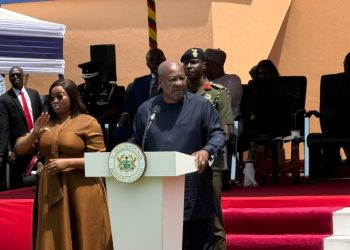
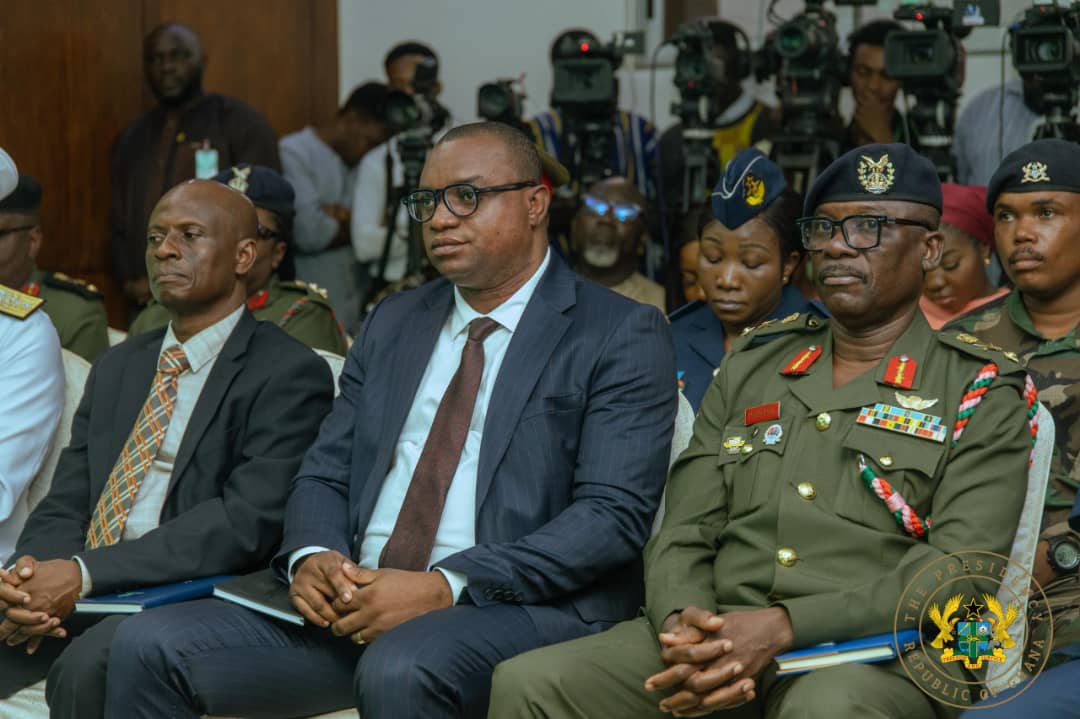
Speaking at the Government Accountability Series at Jubilee House, Dr Boamah said DIHOC had been restructured into a dynamic, action-oriented institution central to the Reset Ghana Agenda — driving industrial growth, food sovereignty, and critical infrastructure projects.
“DIHOC is no longer a dormant entity but an engine of progress in Ghana’s developmental agenda,” Dr Boamah stated.
“I have inaugurated a new innovative and enterprising governing board chaired by my capable deputy, Mr Ernest Brogya Gyenfi. I have tasked them to transform plenty of talk into action and verifiable outcomes, placing the Ghana Armed Forces on the path of sustainable financing.”
The six-lane expressway, which will connect Accra to the Ashanti Region, is expected to significantly boost economic activity by reducing travel time between two of Ghana’s most important urban and commercial hubs. Dr Boamah emphasized public trust in the Armed Forces’ capacity to deliver:
“Who else can Ghanaians trust to execute road construction day and night within a 24-hour economy, if not the Ghana Armed Forces?” he asked.
Expanding Engineering Operations
The Defence Minister also revealed that the Armed Forces are collaborating with the Ghana Bauxite Company to commence work on a 180-kilometer road along the Awaso-Takoradi Corridor. This critical route, essential for transporting bauxite to the Takoradi Port, has deteriorated due to heavy haulage traffic.
“When work commences, this road project will once again demonstrate the military’s engineering expertise and its long-standing commitment to national development,” Dr Boamah said, noting that a groundbreaking ceremony is expected in the coming weeks.
DIHOC’s Food Sovereignty Agenda
Beyond infrastructure, DIHOC is also driving Ghana’s food sovereignty strategy by launching large-scale commercial agriculture initiatives.
These will be executed in collaboration with the Ministry of Food and Agriculture, the Office of the President for Special Initiatives, the 24-Hour Economy Secretariat, the National Service Authority, and private sector partners.
Planned ventures include mechanized farming of staple crops like maize, rice, and soya, alongside revitalized poultry production under the grassroots “Nkoko Nketenkete” initiative, aimed at boosting protein supply and rural incomes.
“My visit to the Army Recruit Training School and several garrisons revealed encouraging preparations by units ready to engage in these farming activities,” Dr Boamah noted.
A Model for Regional Development
Dr Boamah concluded by positioning DIHOC as the cornerstone of Ghana’s march toward a resilient, industrialized economy, drawing inspiration from successful military-driven development models in countries like Egypt.
“With the right leadership and commitment, Ghana can achieve a similar feat in West Africa,” he said.