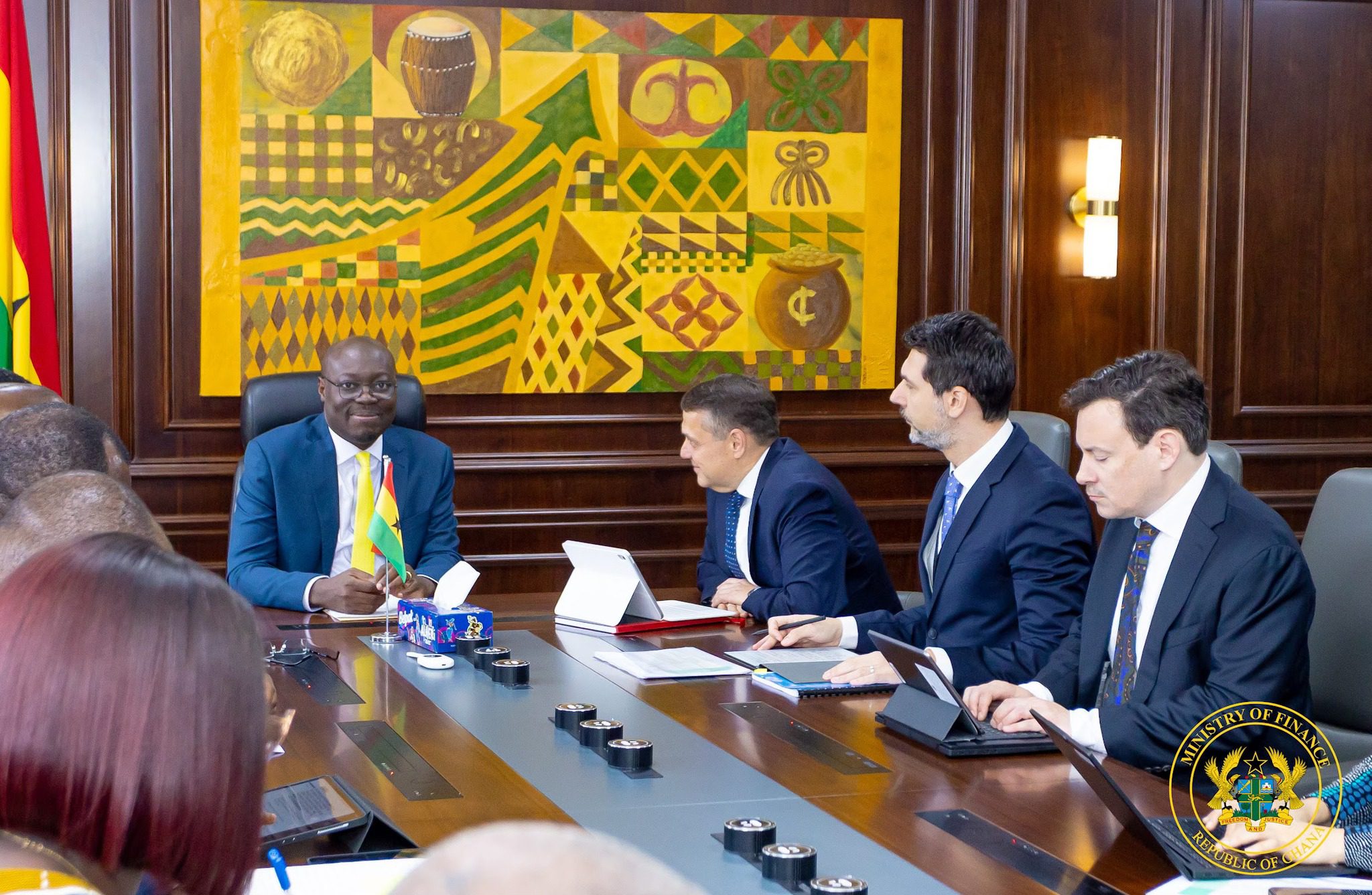
The Government of Ghana has officially announced the successful completion of its Extended Credit Facility (ECF) programme with the International Monetary Fund (IMF), marking what it describes as the end of the country’s financial bailout era and the beginning of a new phase of economic recovery and self-sustained growth.
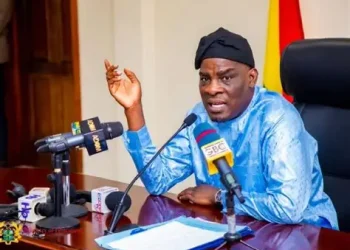
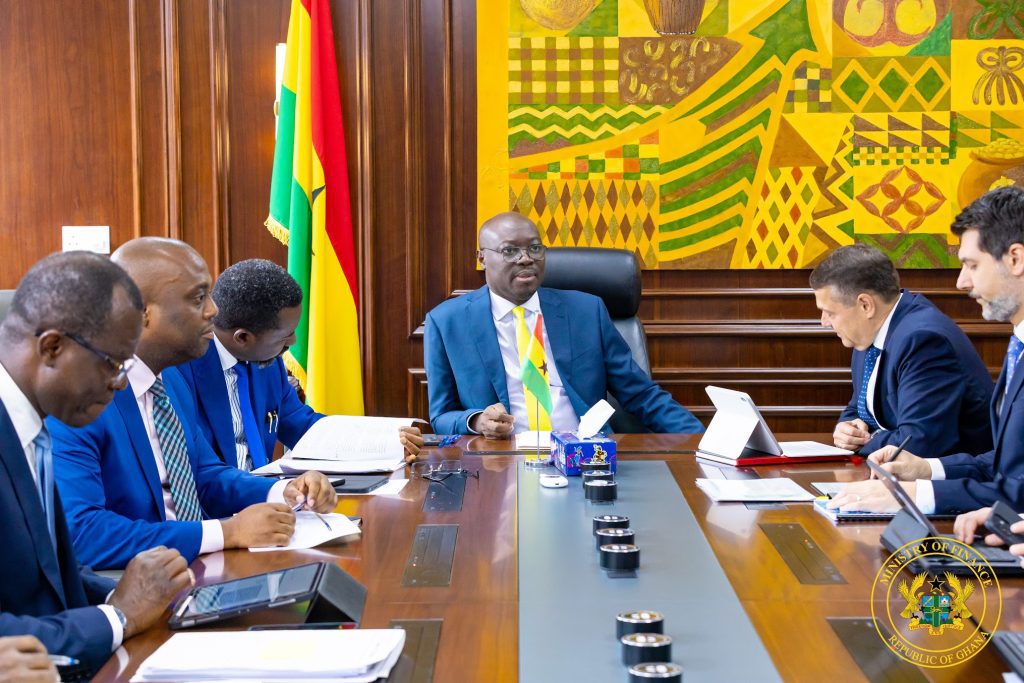
In a statement issued by the Minister for Finance, Dr Cassiel Ato Forson, government said Ghana will now transition from the IMF-supported bailout programme to a non-financing Policy Coordination Instrument (PCI), focused on technical assistance and policy support rather than financial rescue.
According to the statement, the successful conclusion of the IMF programme represents a major milestone in restoring macroeconomic stability and debt sustainability, achieved ahead of the original timeline.
Government noted that after the IMF programme was derailed at the end of 2024, the Mahama administration implemented what it described as bold fiscal consolidation measures, expenditure rationalisation, and structural reforms to place the economy back on track.
“These efforts have delivered tangible results,” the statement said.
The government cited significant improvements in key economic indicators, including a sharp decline in inflation, a stronger cedi, reduced public debt levels, and renewed economic growth.
The statement also disclosed that Ghana’s sovereign credit ratings have improved from restricted default status to a “B” rating with a positive outlook, representing five distinct rating upgrades.
According to government, the improvement reflects stronger fiscal performance, improved creditor relations, increased external reserves, and renewed investor confidence in the Ghanaian economy.
One of the most notable gains highlighted in the statement is Ghana’s gross international reserves, which reportedly rose to an all-time high of approximately US$14.5 billion by February 2026, equivalent to nearly six months of import cover.
Government believes the reserve build-up now gives Ghana a stronger buffer against external economic shocks and positions the country to operate with greater financial independence.
“This announcement marks the definitive end of Ghana’s financial bailout relationship with the IMF,” the statement declared.
The government expressed appreciation to Ghanaians, bilateral creditors, investors, and development partners for their sacrifices and support throughout the reform process.
As part of the next phase, Ghana will engage the IMF under the Policy Coordination Instrument (PCI), which government explained is not a bailout facility but a technical assistance arrangement designed to support economic reforms, strengthen investor confidence, and unlock financing opportunities from development partners and private investors.
The statement clarified that the PCI does not involve direct financial support from the IMF but will provide policy guidance, institutional capacity support, and market credibility.
Government further indicated that the arrangement is expected to complement efforts to achieve investment-grade status for Ghana’s economy.
According to the statement, attaining investment-grade status would significantly lower borrowing costs, attract long-term investors, boost foreign direct investment, and unlock cheaper financing for infrastructure and private sector growth.
The Finance Minister stressed that government remains committed to prudent economic management, fiscal discipline, and creating a stable environment for both domestic and international investment.
Ultimately, government says the transition marks a critical step towards sustainable economic growth, job creation, and improved living standards for Ghanaians.