The Ministry of Finance says Ghana’s improving macroeconomic conditions must now be converted into industrial expansion, value addition, increased investment and sustainable jobs, stressing that economic stability cannot be treated as an end in itself.
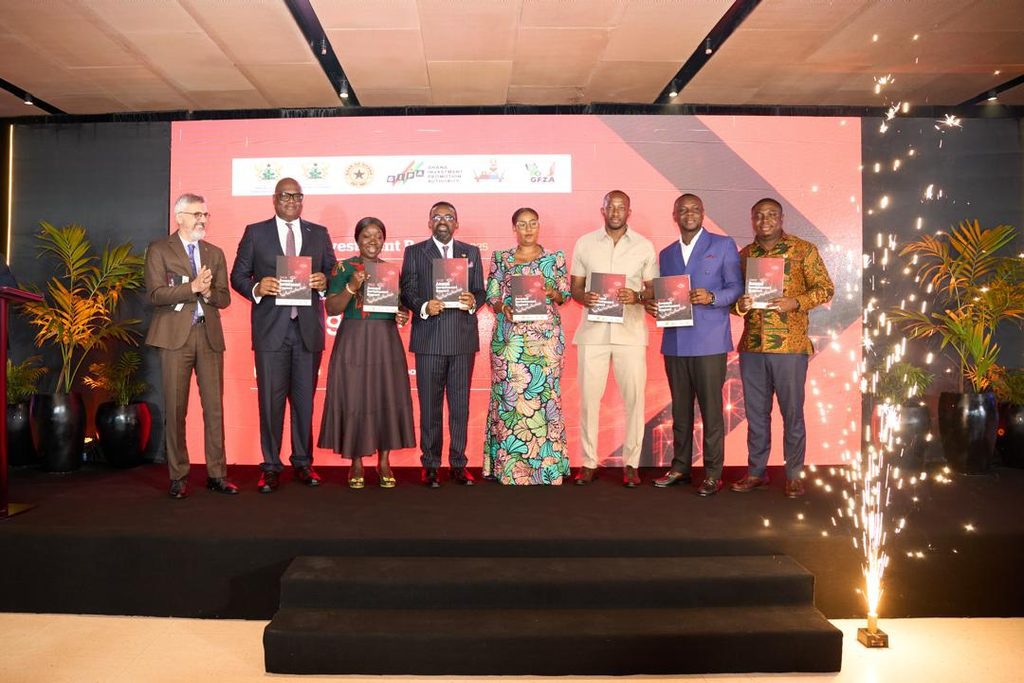
Speaking on behalf of the Minister for Finance at the launch of the 2025 Annual Investment Report at the Bank of Ghana, Samuel Arkhurst, Coordinating Director–Technical at the Ministry of Finance, said government’s next challenge is to translate the gains from economic stabilisation into tangible improvements in productive capacity.
“Stability is a platform and not a destination,” he said, adding that the real test of economic management is what Ghana builds on that foundation.
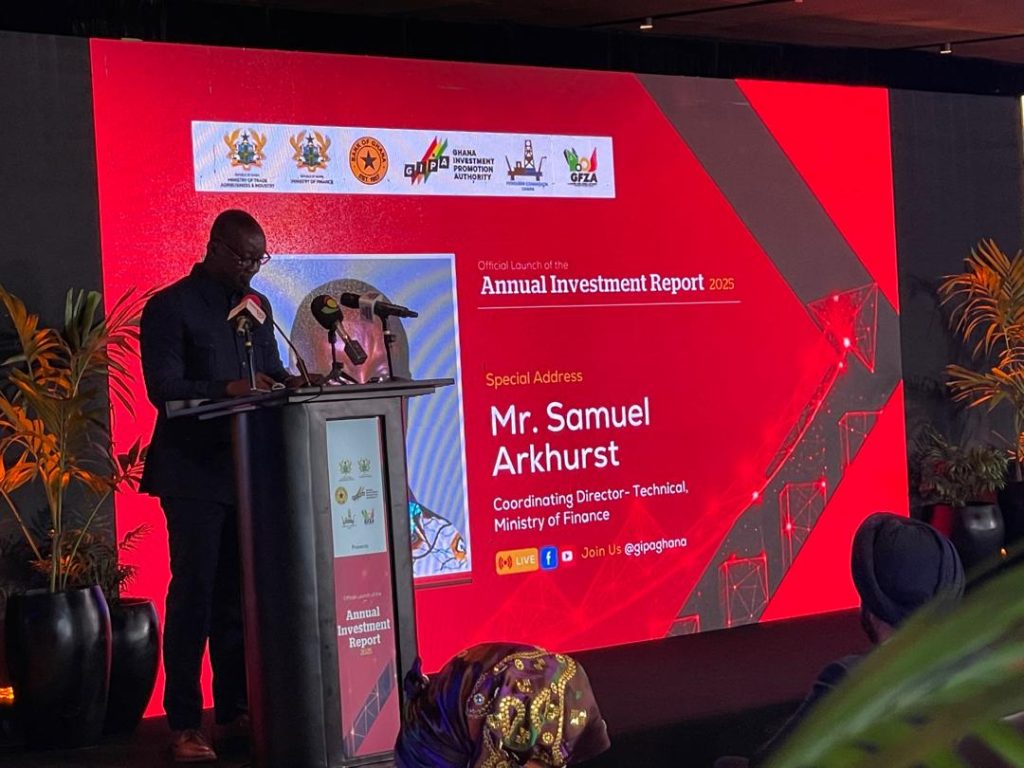
According to Mr. Arkhurst, the government’s priority is an industrial transformation anchored in investment, value addition and jobs that can provide sustainable careers for Ghana’s growing youthful population.
He pointed to improvements in inflation, economic growth, the country’s trade position and public debt as evidence of the progress made in restoring macroeconomic stability.
Mr. Arkhurst said Ghana’s economy had grown by about 6%, exceeding initial projections, while the country had recorded a strong trade surplus. He also put the debt-to-GDP ratio at approximately 45%, describing the performance as ahead of relevant programme targets.
He argued that these indicators matter to investors because stability strengthens confidence, reduces uncertainty and creates better conditions for capital to flow into productive sectors of the economy.
“We at the Ministry of Finance regard stability as a promise kept. And promises kept build a kind of trust that no advert or investment brochure can manufacture on its own,” he said.
Government targets value addition
Mr. Arkhurst outlined an industrial vision centred on Ghana processing more of its agricultural produce and mineral resources domestically before export, while strengthening local supply chains and positioning the country as a manufacturing base for the African market.
He said the government wants the African Continental Free Trade Area (AfCFTA) to find in Ghana a competitive production platform capable of serving West Africa and markets beyond the sub-region.
The Ministry, he added, wants the benefits of macroeconomic stability to ultimately manifest in factories that employ people, more efficient infrastructure and a stronger revenue system capable of financing schools, healthcare and roads.
Mr. Arkhurst also highlighted the importance of blended financing and credit-guarantee arrangements in mobilising patient and affordable capital for productive sectors, including manufacturing and housing.
But he acknowledged that government cannot deliver the transformation agenda alone, stressing that Ghana is competing with numerous economies for limited global investment capital.
He therefore assured investors that the Ministry of Finance would continue working to maintain fiscal discipline, policy predictability and credibility.
“Our part of the bargain is to keep the macroeconomic house in order, to keep policy predictable, and to keep our word on the fiscal commitments we make,” he stated.
Mr. Arkhurst urged investors to study the opportunities presented in the 2025 Annual Investment Report and engage relevant state institutions to deploy their capital, technology and expertise in Ghana.
He said the ultimate objective is to ensure that the stability being restored to the economy becomes the foundation for a more productive, industrialised and investment-driven Ghanaian economy.