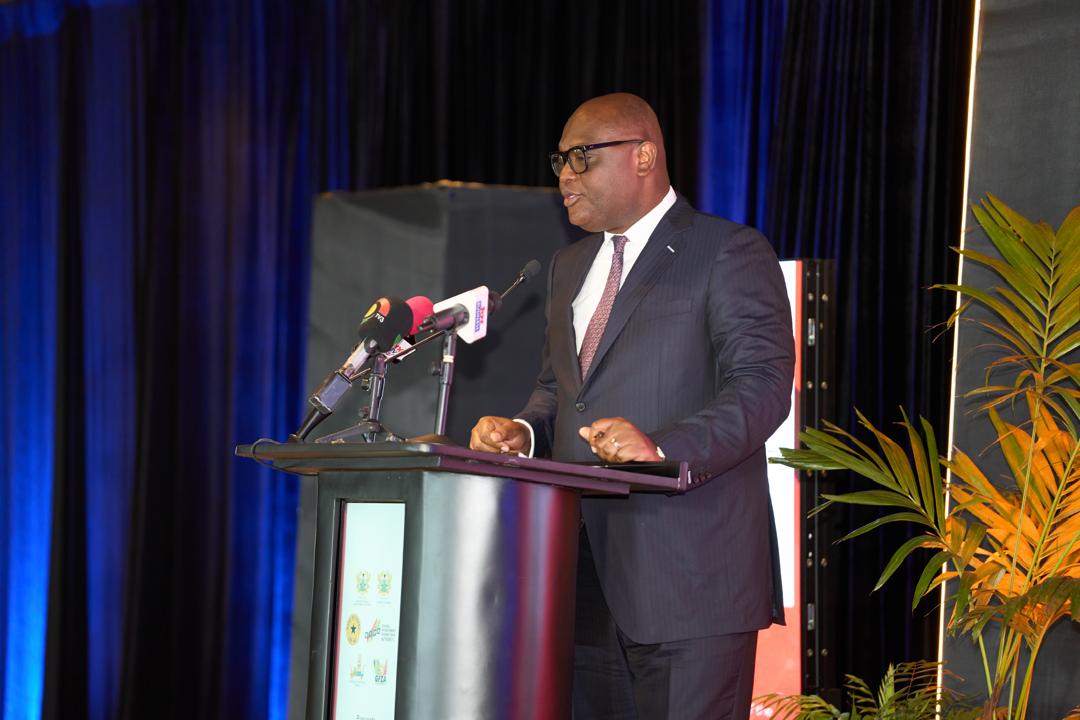
The Chief Executive Officer of the Ghana Investment Promotion Authority (GIPA), Simon Madjie, says Ghana’s headline foreign direct investment figures capture only part of the actual investment entering the economy, exposing significant gaps in the country’s investment-data reporting system.
Presenting key findings from the 2025 Annual Investment Report at its launch at the Bank of Ghana on Friday, Mr. Madjie said the fragmented manner in which investment data has traditionally been collected across state institutions makes it difficult to establish the full scale of foreign capital deployed in Ghana.

He explained that foreign direct investment extends beyond cash transfers into the country and includes equity capital, reinvested earnings, intra-company financing, machinery, equipment, spare parts and other capital inputs financed from foreign sources.
According to him, a significant portion of these non-cash investments is not adequately reflected in the headline figures currently available to policymakers and the public.
“When we say what we have registered among the agencies is US$2.6 billion, in reality, it will be about US$9 billion,” Mr. Madjie said, making clear that the higher figure was an indication of the potential scale of currently unaccounted investment rather than a consolidated official FDI total.
He said the problem stems partly from investment information being held by different institutions, including GIPA, the Petroleum Commission, Ghana Free Zones Authority, Bank of Ghana and Ghana Revenue Authority, with each institution capturing different components of the investment cycle.
For instance, Mr. Madjie explained that the Bank of Ghana recorded approximately US$1.9 billion in foreign capital inflows in 2025, largely representing the convertible-currency component entering the financial system.

Investment promotion and regulatory agencies, meanwhile, capture projects when investors take concrete steps to establish or expand their businesses in Ghana.
He said this distinction is critical because announced investments, registered projects and actual financial inflows measure different stages and components of investment and should not automatically be treated as the same figure.
254 projects registered
According to the presentation, the combined investment data from GIPA, the Petroleum Commission and Ghana Free Zones Authority covered 254 new projects, together with reinvestments by some existing companies.
Mr. Madjie put the value captured by the three institutions at approximately US$2.26 billion, stressing that this figure was separate from the approximately US$1.9 billion in foreign capital captured by the Bank of Ghana.
He also highlighted additional equity of about US$269 million from existing businesses reinvesting in their Ghana operations.
China featured prominently in the investment landscape, with investments valued at more than US$486 million, while neighbouring Nigeria registered 10 projects valued at approximately US$104 million.
Mr. Madjie said increasing investment through the Free Zones regime was particularly important because of its export orientation, arguing that stronger investment in such enterprises could reinforce Ghana’s ambition to become an export-processing and production hub for the African market.
Government moves to unify investment data
The GIPA CEO said government institutions are now moving away from the fragmented approach by working towards a unified investment-data framework.
The initiative is expected to bring relevant agencies together to synchronise their data and establish a more comprehensive picture of investment entering the Ghanaian economy.
“We’ve all worked in silos. Now we are trying to work together,” he said.
Mr. Madjie argued that reliable and consolidated investment statistics are essential not only for accurately communicating Ghana’s attractiveness to investors, but also for designing policy and measuring the real contribution of foreign investment to economic development.
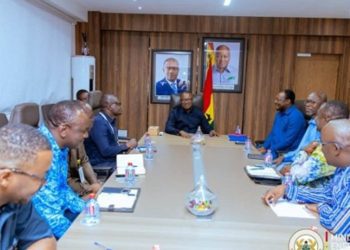
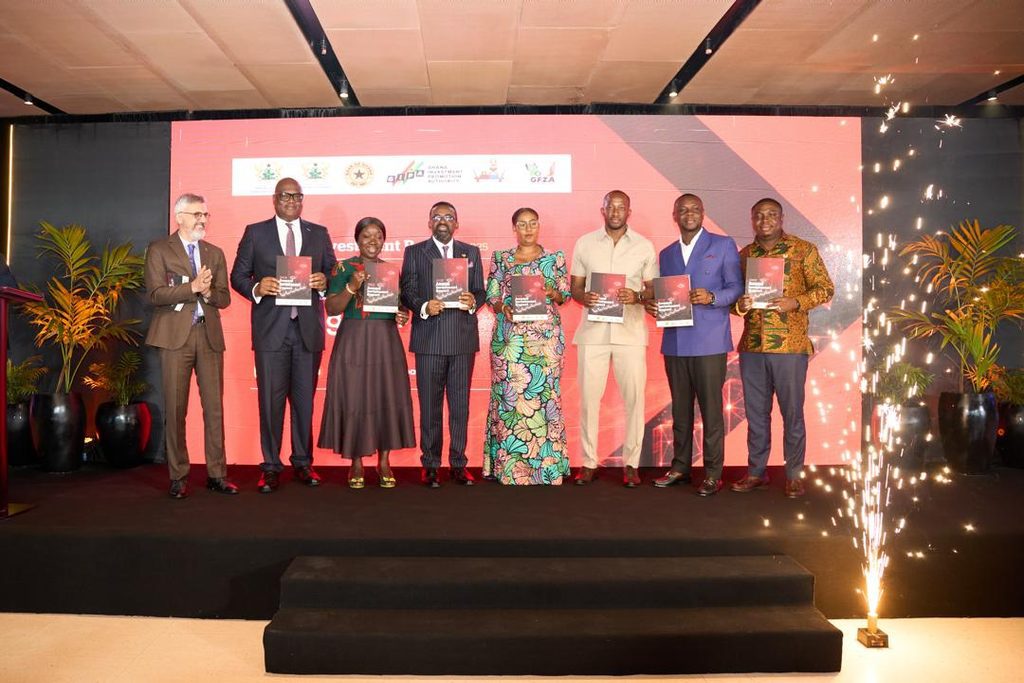
The presentation formed part of the launch of the 2025 Annual Investment Report, jointly involving GIPA, the Bank of Ghana, Ghana Free Zones Authority and Petroleum Commission.