Ghana has taken a major step toward strengthening its hydrographic governance and building national capacity for safer navigation, maritime trade, and sustainable blue economy growth.
This follows the opening of a Hydrographic Governance Workshop in Accra, organized by the Ghana Maritime Authority (GMA) in collaboration with the United Kingdom Hydrographic Office (UKHO), the Ghana Navy, and the Ghana Ports and Harbours Authority (GPHA). The three-day workshop aims to develop a framework for the establishment of a National Hydrographic Office and promote coordinated management of hydrographic activities across the country.l
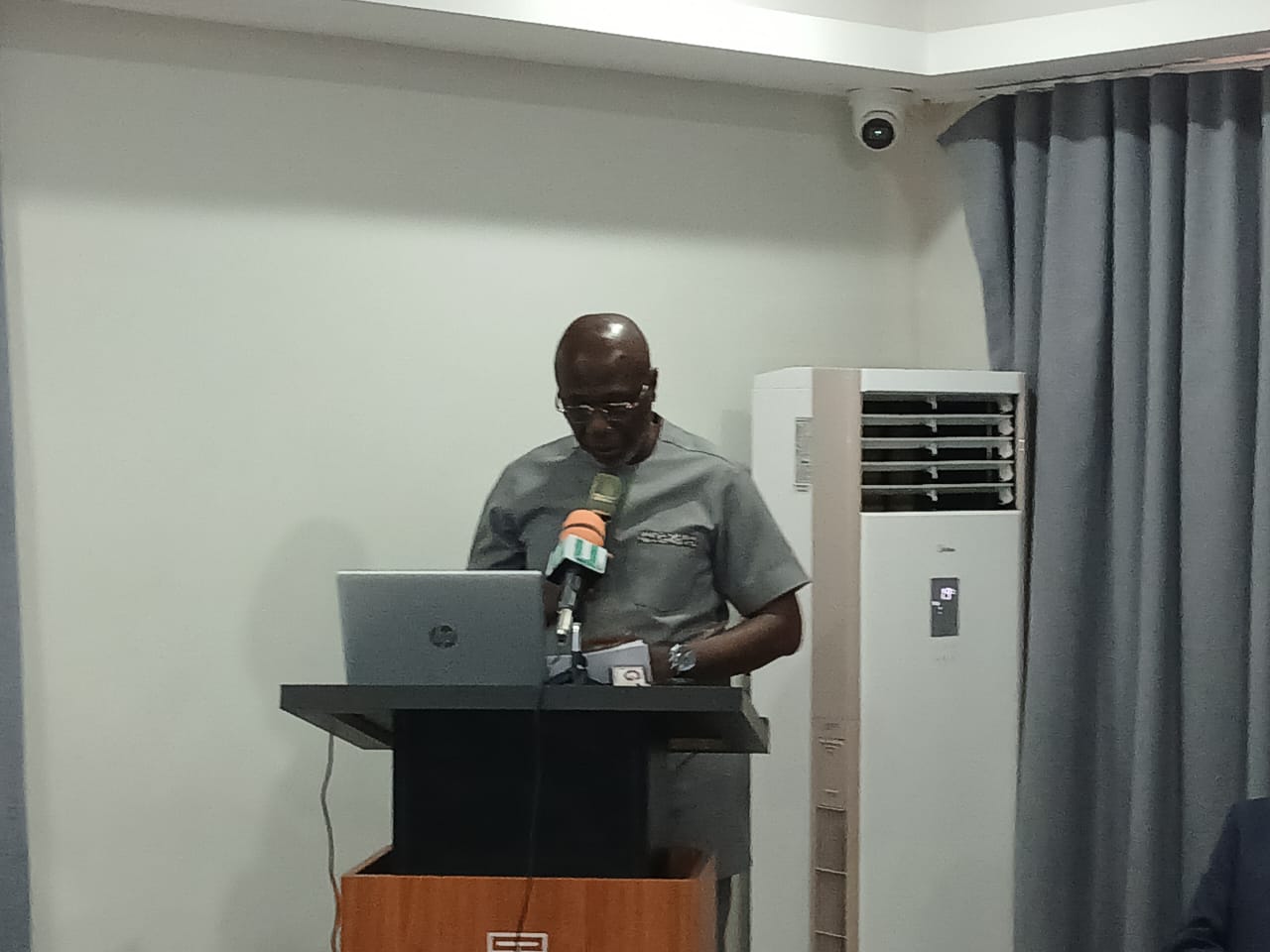
In his address, the Director-General of the Ghana Maritime Authority, Dr. Kamal-Deen Ali, announced that plans are underway to establish a National Hydrographic Office to strengthen coordination in hydrographic services and ensure Ghana meets its international maritime obligations.
He said hydrography the science of surveying and mapping water bodies is vital for data-driven decision-making in ocean governance, inland water management, and maritime safety.
“Hydrography helps us generate relevant data that informs decisions, especially in the blue economy and inland water spaces. It also helps us understand and manage our resources more sustainably,” Dr. Kamal-Deen stated.
He noted that Ghana has obligations under key international instruments such as the International Convention for the Safety of Life at Sea (SOLAS) and the United Nations Convention on the Law of the Sea (UNCLOS), making it necessary to build capacity and modernize hydrographic governance.
Dr. Kamal-Deen added that the Inter-Agency Hydrography Committee, chaired by him, is already laying the groundwork for this national structure, with strong support from the Ministry of Transport and key stakeholders.
“We believe we cannot move in a segmented way in trying to achieve our common objectives. By centralizing our hydrographic expertise, knowledge, and energy, we can make greater progress,” he emphasized.
The Chief of Naval Staff, Rear Admiral Godwin Livinus Bessing, reaffirmed Ghana Navy’s commitment to developing a professional hydrographic capability as a strategic enabler for national development and maritime security.
He disclosed that the Navy has taken practical steps to conduct hydrographic surveys using available fleet resources and has formalized cooperation with the Ghana Ports and Harbours Authority through a Memorandum of Understanding (MoU) for joint surveys and data sharing.
“Our long-term aspiration is to acquire a dedicated hydrographic vessel capable of systematically surveying our entire Exclusive Economic Zone and producing comprehensive bathymetric datasets,” Rear Admiral Bessing revealed.
He called for sustained training, targeted funding, and partnerships to help realize this ambition, noting that such capability would unlock commercial opportunities, improve maritime safety, and enhance the military’s situational awareness.
The UK Defence Adviser to Ghana, Commander Richard Walters, reaffirmed the United Kingdom’s commitment to supporting Ghana’s hydrographic development, announcing the donation of a survey motorboat by the Royal Navy to boost the Ghana Navy’s hydrographic operations.
“It is a gift with many uses, but it will need regeneration. It will only reach its full potential if we work collaboratively to develop this capability and support Ghana’s ability to chart its own waters,” Commander Walters said.
He commended Ghana for the strides made in maritime governance, including the creation of the National Hydrographic Office and membership of the International Hydrographic Organization (IHO) describing Ghana as a regional leader in sustainable ocean management.
“This partnership between the UK Hydrographic Office, the Ghana Maritime Authority, the Ghana Navy, and the Ghana Ports and Harbours Authority is a shining example of what we can achieve when we work together,” he added.
Delivering a keynote address on behalf of the Minister for Transport, Hon. Joseph Bukari Nikpe, the Director of General Administration, Mr. Richard Fedieley said hydrography is the strategic backbone of Ghana’s blue economy, supporting trade, fisheries, tourism, energy, and coastal development.
He noted that over 80 percent of Ghana’s imports arrive by sea, underscoring the need for accurate hydrographic data to ensure maritime safety and economic efficiency.
“Poorly charted areas increase the risk of accidents, higher insurance premiums, and longer shipping routes. Sustainable blue growth depends on safe, efficient, and effective shipping,” he emphasized.
Mr. Fedieley reiterated the Ministry’s support for the establishment of a National Hydrographic Office, in line with the UN’s call for countries to integrate hydrography into national transport policies and invest in infrastructure, capacity building, and data sharing.
“As the Ministry with oversight responsibility for the sector, we are committed to supporting Ghana’s unified hydrographic effort through the development of the National Hydrographic Office,” he assured.
He also expressed appreciation to the UK partners for their technical and strategic collaboration in advancing Ghana’s maritime and hydrographic capabilities.
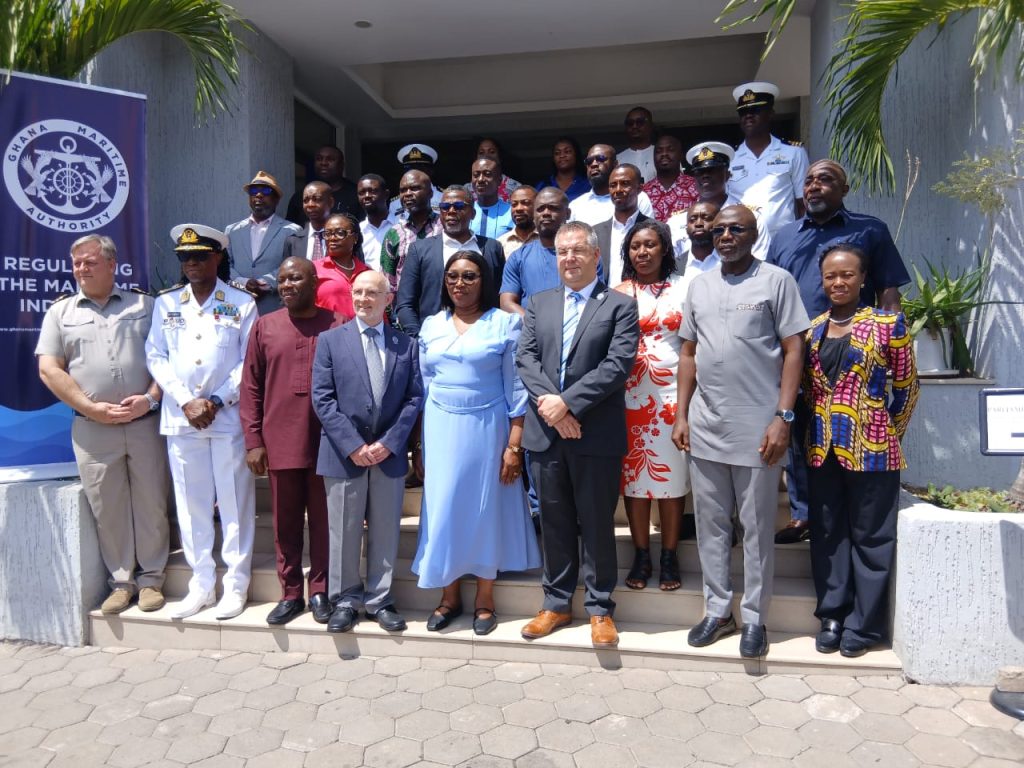
The Hydrographic Governance Workshop brings together key national and international stakeholders to chart a roadmap for coordinated hydrographic governance in Ghana. The event underscores the growing partnership between Ghana and the United Kingdom in advancing maritime safety, data-driven ocean management, and sustainable economic growth under the blue economy agenda.
Story by Osman Issah Abadoo