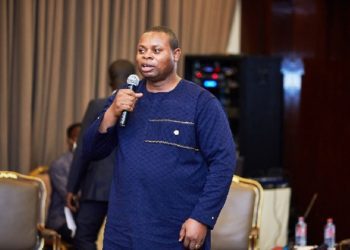
Political Science Lecturer at the University for Development Studies (UDS), Prof. Jasper Ababio Ayelazuno, has stressed that the independence and credibility of the Electoral Commission (EC) are critical to the survival of Ghana’s democracy.
Speaking on Radio Gold following the appointment of two new Deputy Chairpersons of the Electoral Commission, Prof. Ayelazuno said the institution must not be treated like any other constitutional body, considering its central role in safeguarding the country’s democratic system.
He explained that Ghana’s reputation as a model of democracy in Africa depends significantly on the ability of the Commission to discharge its constitutional responsibilities independently and maintain public confidence in the electoral process.
“I want to start by underlining the fact that the EC, for that matter any electoral management body, is a key central pillar in any democracy as the one that we practise in Ghana, and for that matter it is one of the institutions that determines whether democracy survives in a country like Ghana or not,” he stated.
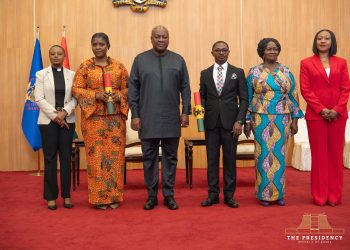
His comments follow the appointment of Dr Joseph Kweku Asamoah and Emelia Afi Agbenyo as Deputy Chairpersons of the Electoral Commission by President John Dramani Mahama.
Dr Asamoah, a lawyer, chartered accountant and lecturer, previously served in several senior positions at the Electoral Commission, including Director of Finance, Director of the Commission’s Training Centre and Head of Audit.
Ms Agbenyo, a former Deputy Director for Operations at the Ghana TVET Service, brings experience in public administration, institutional coordination and inclusion programmes.
While Dr Asamoah has considerable experience within the Electoral Commission, Ms Agbenyo joins the institution with a background in wider public administration.
The appointments have generated public discussion, particularly over the perceived political affiliations of some appointees and their ability to exercise independence in office.
However, Prof. Ayelazuno cautioned against reducing the debate to partisan arguments over whether the new commissioners are associated with the National Democratic Congress (NDC) or the New Patriotic Party (NPP).
According to him, the more important consideration should be whether the appointees possess the independent judgement, courage and leadership qualities required to protect the Commission against political interference.
“We should begin to ask whether those who are appointed will be having an independent judgement, they will be bold enough, whether they have the quality of leadership that will let them exercise independence, autonomy as an electoral management body and for that matter to ensure that our democracy is consolidated regardless of whoever is the appointing authority, regardless of their party affiliation,” he said.
Prof. Ayelazuno maintained that the ability to resist pressure from political authorities should be a defining quality of individuals entrusted with managing the country’s electoral processes.
“So in this case we have to be investigating these kinds of qualities, the boldness, the leadership qualities, whether the person has that independent judgement and would be able to assert the authority of the EC when even probably a very domineering president wants them to do otherwise,” he added.
He acknowledged that individuals may have personal political preferences but argued that such affiliations should not automatically determine their suitability for appointment to the Electoral Commission.
Prof. Ayelazuno insisted that the ultimate test of the new commissioners would be their ability to act impartially, uphold the Commission’s constitutional mandate and protect the integrity of Ghana’s electoral system.
Story by Afornorfe Lucy