The International Monetary Fund (IMF) has advised low-income countries to prioritise poor and vulnerable households when designing policies and programmes to cushion the impact of rising fuel prices.
The advice comes as governments grapple with increasing fuel costs and their effects on transportation, food prices and the general cost of living.
In Ghana, the government has reduced taxes on diesel by GH¢2 in an effort to ease transportation costs, particularly public transport fares and the movement of goods.
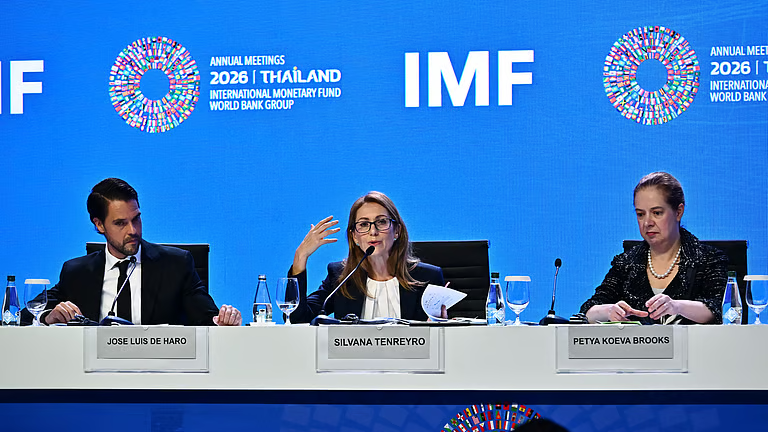
Presenting the 2026 World Economic Outlook, the Director of the IMF’s Research Department, Silvana Tenreyro, stressed that such interventions should be temporary and carefully targeted to ensure that relief reaches those most affected.
She explained that governments must avoid broad and prolonged interventions that could place additional pressure on public finances.
Responding to a question concerning Nigeria, Ms Tenreyro recommended targeted income transfers as an option for supporting poor households affected by rising energy costs.
The IMF’s position highlights the importance of directing limited public resources towards households most exposed to fuel price shocks.
Rising fuel prices can trigger broader inflationary pressures by increasing the cost of transportation, food and essential services, with poorer households often bearing the greatest burden.
The Fund is therefore urging governments to adopt temporary, well-targeted measures that protect vulnerable populations while limiting the fiscal cost of responding to rising fuel prices.