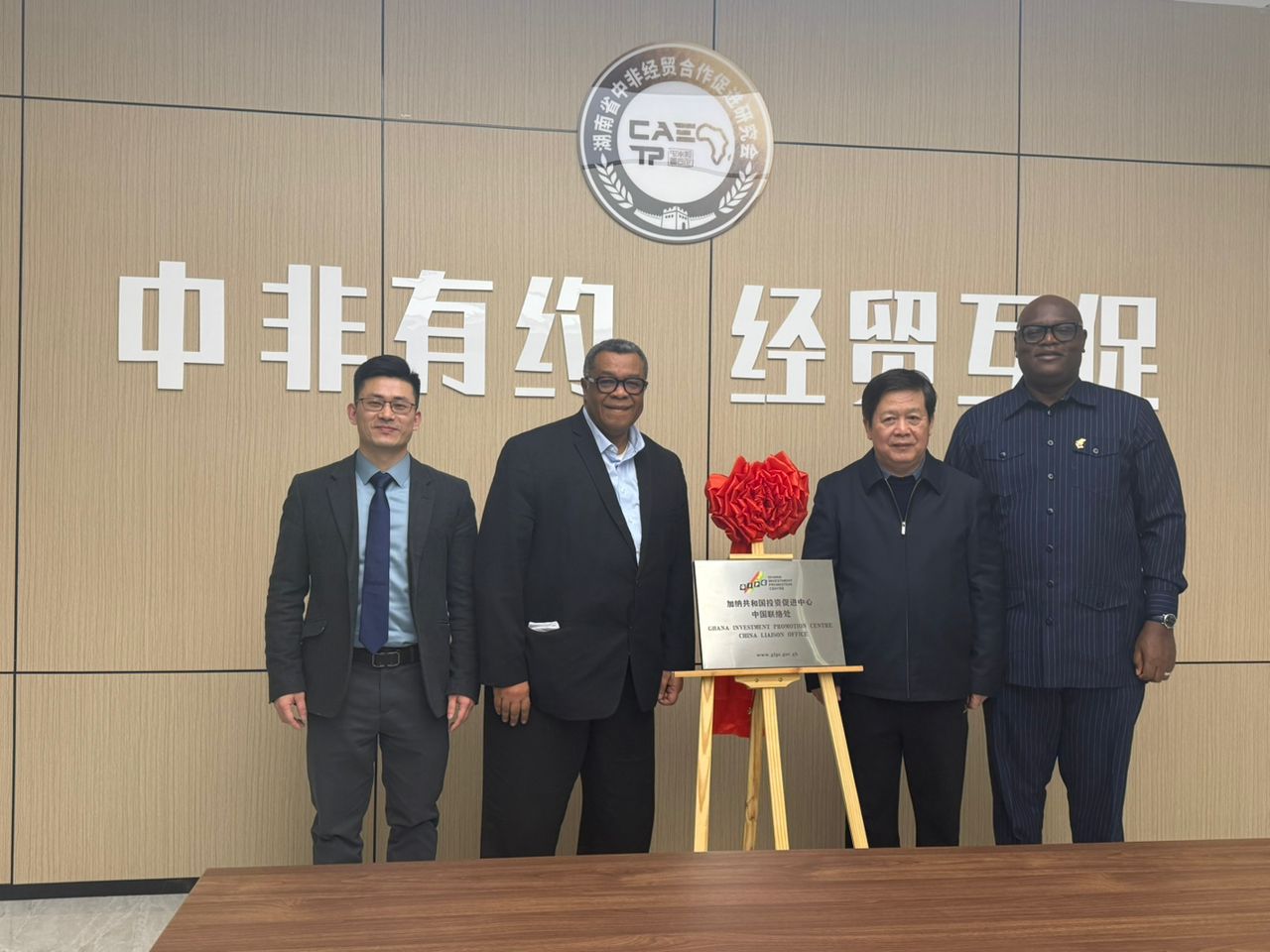
Government has taken another step toward advancing the 24-Hour Economy agenda with the signing of a Memorandum of Understanding (MoU) between the Ghana Investment Promotion Centre (GIPC) and the China–Africa Economic and Trade Promotion Council (CAETP).
The agreement, signed in China, is aimed at establishing the China–Ghana Economic and Cooperation Project Programme, a structured platform designed to promote investment, strengthen investor engagement, and support coordinated project development between Chinese enterprises and Ghanaian stakeholders.
According to GIPC, the programme is expected to improve deal flow and accelerate the development of bankable projects that align with Ghana’s long-term growth objectives, while reinforcing the country’s strategy of proactive, institution-driven investment promotion.
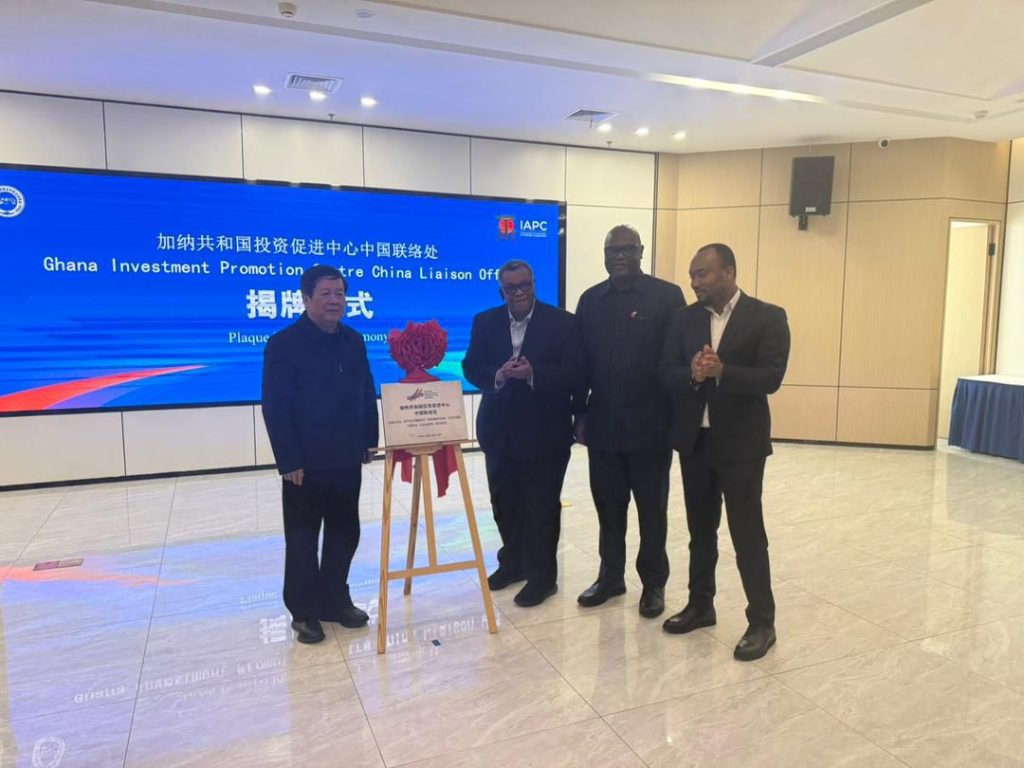
The MoU was signed during the China–Ghana Economic and Trade Cooperation Project Promotion Conference, alongside the inauguration of the GIPC China Liaison Office, as part of a broader Ghana–China delegation mission.
The mission was led by the 24-Hour Economy Secretariat (24H+) and coordinated by the Presidential Advisor on the 24-Hour Economy, Mr. Augustus Tanoh, with participation from key state institutions including the National Development Planning Commission, the Ministry of Finance, the Ministry of Fisheries and Aquaculture Development, the Ministry of Tourism, Culture and Creative Arts, the Ghana Export Promotion Authority (GEPA), and the Ghana Infrastructure Investment Fund.
GIPC said the engagement follows President John Dramani Mahama’s visit to China last year and reflects Ghana’s efforts to translate high-level diplomatic engagements into concrete investment partnerships.
As part of the mission’s activities, Ghanaian officials presented selected 24-Hour Economy projects, particularly those within the Volta Economic Corridor, to Chinese investors, offering more detailed project discussions beyond the scope of presidential-level investment seminars.
The delegation also undertook a study tour to gain insights into China’s development model, with a focus on understanding how its strategies could be adapted to Ghana’s economic transformation agenda. Areas of interest included the organisation of state-private sector relations, the role of foreign capital, and approaches to managing ecological challenges through technology, such as irrigation systems, AI-based agro-ecology, and off-grid renewable energy solutions.
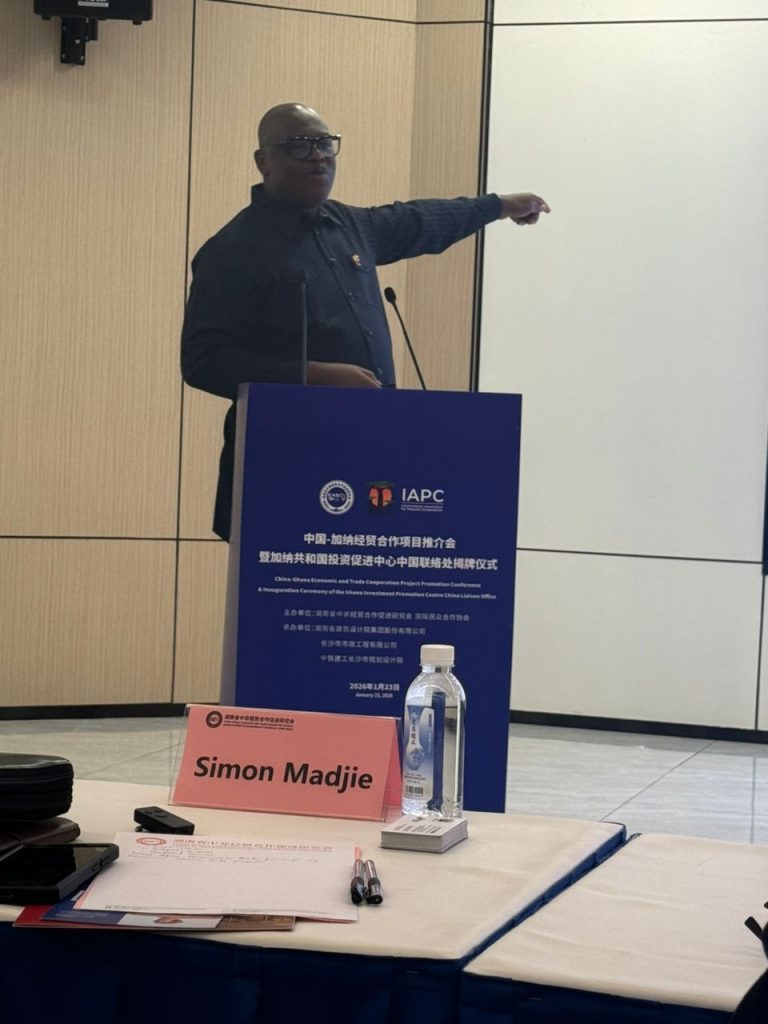
Under the leadership of GIPC Chief Executive Officer, Mr. Simon Madjie, the Centre’s engagements with Chinese businesses focused on positioning Ghana as an investor-ready destination, highlighting policy frameworks, targeted incentives, and ongoing reforms to improve the ease of doing business.
The Deputy Chief Executive Officer of GEPA, Mr. Ambrose Nsarkoh, also made presentations on Ghana’s export potential, trade facilitation mechanisms, and market access opportunities.
GIPC noted that the initiative aligns with Ghana’s broader industrialisation drive, which prioritises private-sector-led investment, value-chain development, and sustainable job creation.