The Ghana Tourism Authority (GTA), in collaboration with key stakeholders in the creative industry, has officially launched “Highlife at 100,” a landmark cultural initiative aimed at celebrating, preserving and repositioning Ghana’s iconic Highlife music on the global stage.
The launch event, held at the La Palm Royal Beach Hotel in Accra, brought together government officials, cultural institutions, Highlife legends, musicians and industry players to commemorate a century of the genre that has shaped Ghana’s musical identity and influenced global sounds.
Speaking at the event, Chief Executive Officer of the Ghana Tourism Authority, Maame Efua Houadjeto, described Highlife at 100 as a strategic cultural intervention rather than a nostalgic celebration.
“Highlife is not old. Highlife is eternal,” she said, noting that the genre had inspired generations, travelled across borders long before the digital age, and influenced global music movements, including Afrobeat.
According to her, the initiative seeks to position Highlife at the centre of Ghana’s creative economy, tourism storytelling, and cultural diplomacy while ensuring the genre is properly documented, preserved, and celebrated
“Tourism is not just about destinations; it is about identity. Culture is our strongest currency, music is our loudest language, and Highlife is one of Ghana’s most powerful cultural exports,” Ms. Houadjeto stated.
She explained that Highlife at 100 will create opportunities for both veteran and emerging creatives to reinterpret the genre for future audiences while honouring the pioneers who laid its foundation.
She also commended the Minister of Tourism, Culture, and Creative Arts for advancing Ghana’s cultural profile globally through UNESCO recognitions and strategic cultural diplomacy.
Ms. Houadjeto further noted that the initiative reinforces the growing significance of “December in GH” as a major cultural and tourism platform, positioning Ghana as a global hub for creative expression.
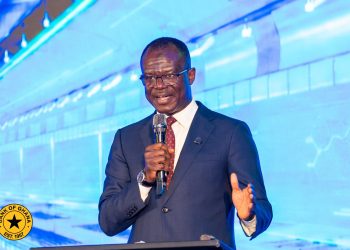
Adding his voice to the celebration, President of the Musicians Union of Ghana (MUSIGA), Bessa Simons, described the centenary milestone as timely, noting that it aligns with MUSIGA’s Golden Jubilee celebrations under the theme “Driving Innovation and Sustainable Growth in the Music Industry.”
He also highlighted that the launch coincides with UNESCO’s recognition of Highlife music and dance as part of the world’s intangible cultural heritage, crediting the Ministry of Tourism, Culture and Creative Arts, UNESCO and the Ghana Tourism Authority for their collaborative efforts.
“Highlife is trending again, and that did not happen by accident,” Mr. Simons said. He paid tribute to pioneers of the genre, including E.T. Mensah, Koo Nimo, Nana Ampadu, and other departed legends, while acknowledging veteran and contemporary Highlife musicians present for sustaining the genre over the decades.
Mr. Simons stressed the urgent need to pass Highlife traditions to the younger generation, warning that failure to do so would amount to neglecting Ghana’s cultural inheritance.
“If we don’t hand this over to the younger generation, then we have failed our ancestors,” he cautioned.
He highlighted the richness of Highlife guitar styles such as Amponsah, Odonson, and Dagomba, and announced that MUSIGA would intensify efforts to take Highlife education to schools and young musicians across the country.
“We are going to teach them how Highlife guitars are played, how the songs are sung, the phrasing, the melodies, and the stories behind the music,” he said.
The MUSIGA President also called on government and cultural institutions to introduce special incentives and grants for Highlife musicians, particularly young creatives seeking to develop the genre professionally.
He noted that similar cultural funding models in countries like the United Kingdom have helped preserve indigenous music while driving tourism and economic growth.
According to him, sustained investment in Highlife would not only protect Ghana’s musical heritage but also strengthen culture-led tourism and create new economic opportunities.
The launch of Highlife at 100 marks the beginning of activities to commemorate a century of a genre born from Ghana’s social life and lived experiences, now reaffirmed as a living heritage and a powerful symbol of national identity.
Story by Osman Issah Abadoo