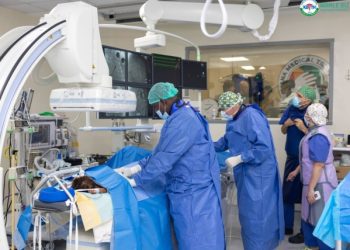
A US$10 million commitment by the KGL Group to establish a diagnostic and imaging centre at the Greater Accra Regional Hospital is emerging as a major example of private sector participation in Ghana’s efforts to expand access to specialist healthcare.
Administrator of the Ghana Medical Trust Fund (GMTF), Adjoa Obuobia Darko-Opoku, says work has already begun on the facility at Ridge Hospital, which receives approximately 800 patients daily but faces significant shortages of diagnostic and imaging equipment.
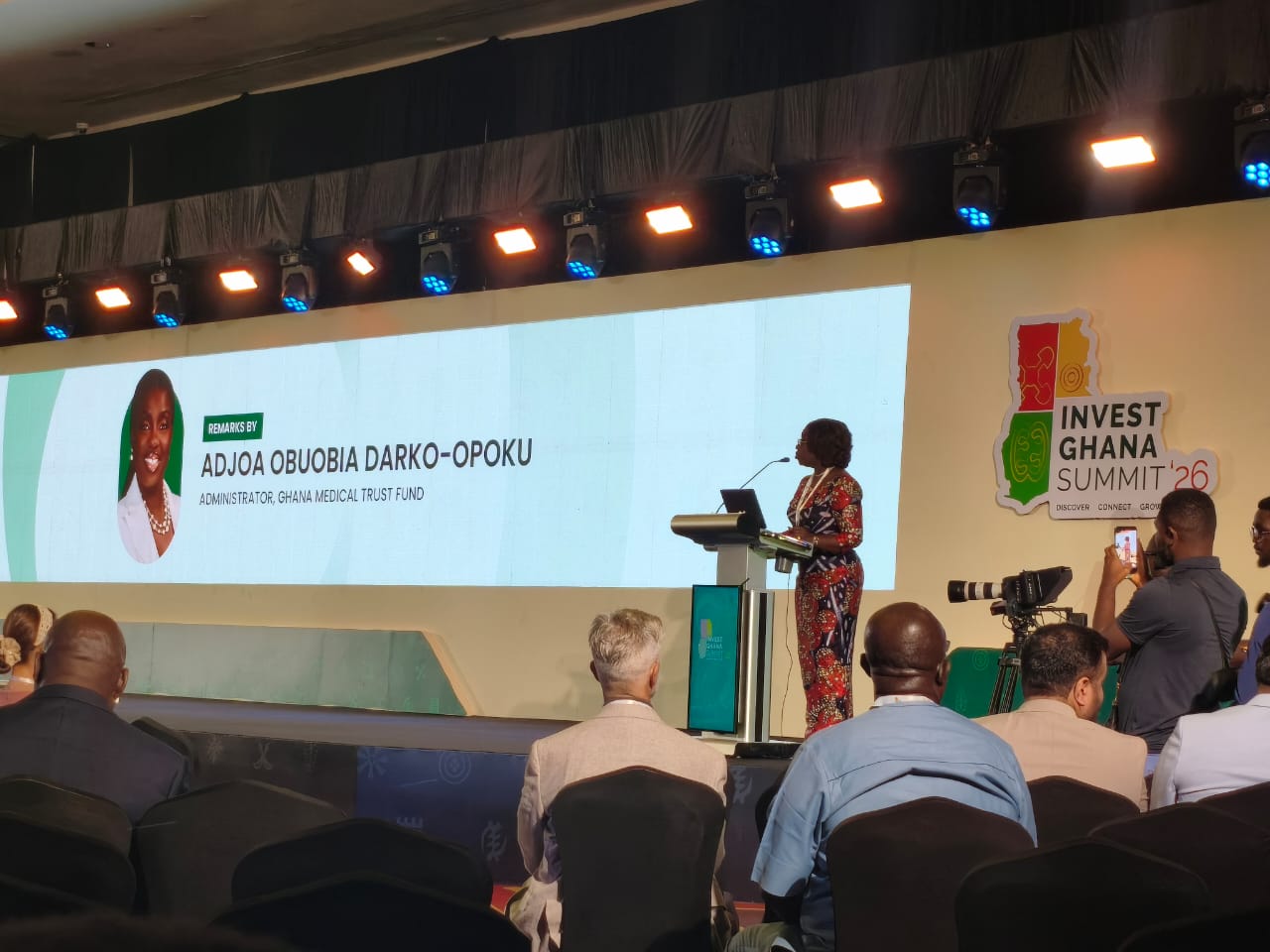
Speaking at the Invest Ghana Summit 2026 in Accra on Tuesday, November 17, Mrs Darko-Opoku disclosed that the commitment followed an appeal by the Fund to KGL Group after identifying the hospital’s equipment needs.
She explained that improved diagnostic capacity would enable medical professionals to identify illnesses earlier and make timely decisions about treatment.
The Administrator cited the experience of a woman who discovers a breast lump but faces uncertainty while waiting for diagnostic tests, stressing that access to appropriate equipment could significantly reduce delays in care.
Building on the Ridge Hospital initiative, Mrs Darko-Opoku invited private investors to partner with the Fund in establishing proposed oncology and nuclear medicine centres across Ghana.
She explained that the proposed facilities would integrate advanced diagnostic imaging, including PET-CT scanning, with nuclear medicine, radiotherapy and chemotherapy services.
According to her, bringing these services together would help reduce the difficulties cancer patients and their families face when moving between hospitals and facilities in search of tests and treatment.
The Administrator called on companies involved in health infrastructure, medical technology and specialist facility management to explore partnerships covering construction, equipment procurement, professional training and maintenance.
She stressed that the objective was to establish facilities that would remain financially and operationally sustainable while keeping treatment accessible to patients.
Mrs Darko-Opoku also drew attention to a tax provision intended to encourage corporate contributions to the Fund.
Citing Section 22(2) of the Ghana Medical Trust Fund Act, she said companies making direct donations to the Fund could claim an income tax deduction equivalent to the amount donated, subject to the applicable provisions of Ghana’s income tax legislation.
She encouraged corporate executives to consider the provision when deciding how much their businesses could contribute towards hospital equipment and specialist treatment.
The Administrator further appealed to banks and development finance institutions to support healthcare projects with financing arrangements that hospitals could realistically sustain.
She also invited foundations, philanthropists and Ghanaians in the diaspora to contribute towards patient treatment, specialist training and the provision of medical equipment.
Mrs Darko-Opoku challenged businesses attending the summit to identify specific healthcare needs in communities where they operate and work directly with the Fund to address them.
She maintained that investment in healthcare should form an integral part of Ghana’s broader development agenda, particularly as the country seeks to improve productivity and strengthen the wellbeing of its population.
The Administrator urged participants to leave the summit with concrete commitments rather than expressions of goodwill, stressing that patients awaiting treatment needed practical interventions.
She expressed hope that continued public-private partnerships would help create a Ghana where more families could obtain specialist medical treatment without having to seek care outside the country.