President John Dramani Mahama has called on oil and gas operators to expand opportunities for Ghanaian companies and workers through increased local procurement, skills development and technology transfer.
He said the success of Ghana’s petroleum industry must be measured not only by the investments attracted and the volume of oil and gas produced, but also by the capacity developed by local businesses and the opportunities created for Ghanaian workers.
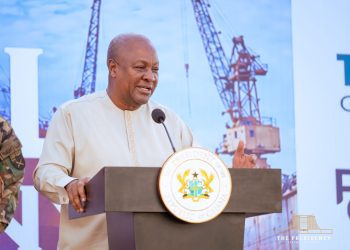
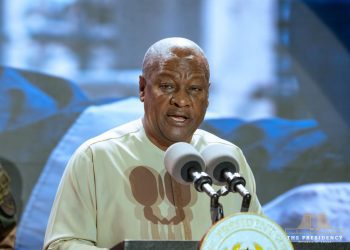
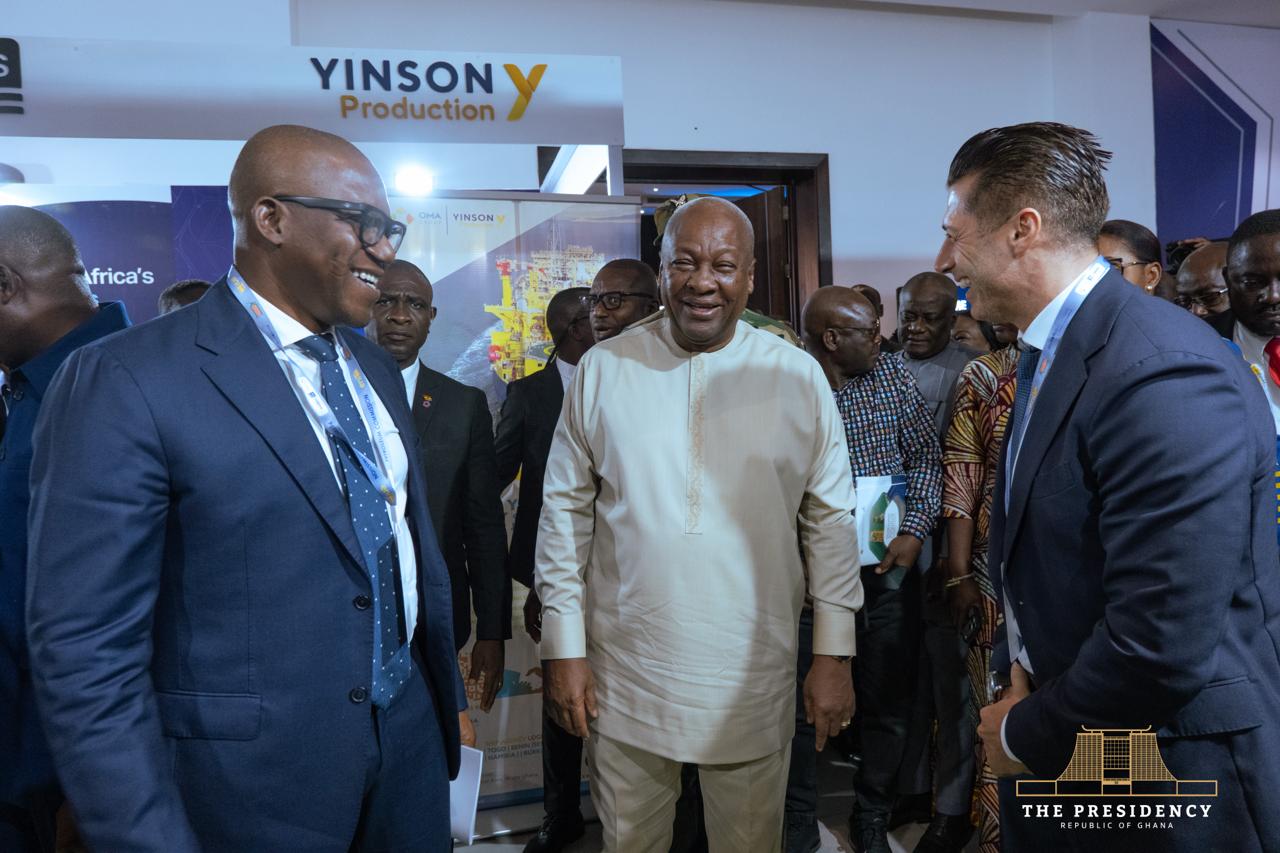
Speaking at the 2026 Petroleum Commission Local Content Conference and Exhibition in Takoradi, President Mahama stressed the need to strengthen local participation across the upstream petroleum value chain to ensure that the country derives greater economic benefits from its natural resources.
“Ladies and gentlemen, we must judge this industry’s progress by what Ghanaian workers and businesses can achieve as a result of the investments that we attract,” he said.
The President challenged industry stakeholders to assess whether more Ghanaian companies were becoming capable of competing for complex contracts and delivering them to the required standards.
He also called for stronger pathways to enable young people, particularly those in the Western Region, to transition from education into skilled employment in the oil and gas industry.
“Can more Ghanaian companies compete for complex contracts and deliver them to the required standard? Can young people here in the Western Region see a path from the classroom to skilled work in the oil and gas industry?” he asked.
President Mahama maintained that Ghanaian ownership remained an important pillar of the country’s local content policy but said the government must go further by focusing on the quality of work undertaken locally, the transfer of skills and technology, and the growth of indigenous companies.
He urged petroleum operators to give qualified Ghanaian suppliers early information about upcoming contracts to enable them to prepare and compete effectively.
“I therefore urge operators to provide qualified Ghanaian suppliers with early visibility of upcoming contracts and to embed training and technology transfer into their partnerships,” he said.
The President also appealed to banks and other financial institutions to support credible Ghanaian suppliers facing financing constraints that could prevent them from securing and executing larger contracts.
He said improved access to finance would enable local businesses to expand their operations, strengthen their technical capabilities and compete more effectively in the petroleum industry.
President Mahama further called on universities, technical institutions and professional bodies to work closely with industry players to ensure that training programmes reflect the skills and competencies required by employers.
He said stronger collaboration between educational institutions and petroleum companies would help prepare the next generation of Ghanaian professionals for employment in the sector.
Government to Enforce Industry Standards
The President assured industry stakeholders that the government would work to maintain a stable and predictable investment environment while strengthening regulatory oversight.
He tasked the Petroleum Commission with ensuring that operators and contractors adhered to clear standards on safety, environmental protection and local participation.
According to him, these standards would become increasingly important as petroleum activities expand, helping to protect communities in operational areas and sustain public confidence in the industry.
President Mahama urged participants at the conference to identify practical opportunities for Ghanaian firms to bid for contracts, develop industry-relevant skills and establish partnerships capable of attracting new investments into production.
He said the focus should be on translating conference discussions into concrete actions that would continue beyond the event.
The President reaffirmed that Ghana’s petroleum resources must contribute to a broader industrial economy through stronger linkages between upstream production, domestic refining, gas processing and petrochemical manufacturing.
He said these efforts, combined with increased local participation, would help create jobs, build domestic capacity and ensure that a greater share of the value generated by the petroleum industry remained in Ghana.
Story: Patrick Asford Boadu