The Ghana Shippers’ Authority (GSA) has cautioned importers, exporters and logistics stakeholders in Ghana to prepare for higher freight costs, longer shipping times and possible supply chain disruptions following the escalation of conflict involving the United States, Israel and Iran.
In a notice issued to the shipping community, the Authority said the tensions, which intensified on February 28, 2026, have begun affecting maritime traffic through the Strait of Hormuz, one of the most critical global shipping corridors.
According to the GSA, disruptions in the strategic waterway are already having implications for global trade because the Strait serves as a key passage for energy supplies and major cargo shipments moving between Asia, the Middle East and the rest of the world.
The Authority explained that the Strait carries about one-quarter of global seaborne oil trade, handles significant volumes of liquefied natural gas, and facilitates nearly one-third of global seaborne fertilizer shipments, estimated at about 16 million tonnes annually. Any disruption to this route therefore has far-reaching consequences for international supply chains, energy markets and agricultural inputs.
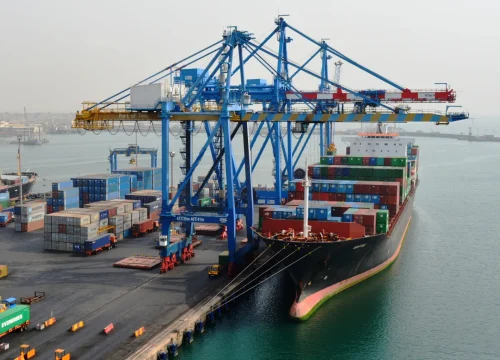
The GSA indicated that the escalation of hostilities has already prompted several major international shipping lines to suspend or reroute vessels away from the Strait of Hormuz, forcing ships to travel through alternative routes such as the Cape of Good Hope in South Africa. While this route ensures continuity of trade, it significantly increases sailing distance, operational costs and delivery times.
In addition to the longer routes, shipping companies have also begun introducing war risk surcharges and emergency conflict charges to cover the heightened operational risks associated with navigating or operating near conflict zones.
Industry estimates cited by the Authority indicate that war risk surcharges may range between 1,500 and 2,000 US dollars per twenty-foot equivalent unit (TEU), with additional costs expected for larger containers and refrigerated cargo.
The Ghana Shippers’ Authority warned that these developments could lead to higher landed costs for imported goods into Ghana, particularly for products originating from Asia and the Middle East. It also noted that shippers may face longer transit times, changes in shipping schedules, and potential delays in vessel availability for certain routes.
To mitigate the potential impact on trade, the Authority has advised Ghanaian shippers to engage proactively with shipping lines and logistics providers, factor possible cost increases into commercial planning, and closely monitor developments in global shipping routes and fuel prices.
The GSA also clarified that it does not impose surcharges on behalf of shipping lines, stressing that its role is to regulate the charges of shipping service providers to ensure fairness and protect the interests of Ghanaian businesses and consumers.
The Authority further revealed that it has received reports on social media suggesting that some surcharges may have been introduced even before the Middle East conflict escalated. These claims, it said, are currently under investigation, and any breaches or unfair practices will be addressed accordingly.
The Ghana Shippers’ Authority assured stakeholders that it will continue monitoring the evolving situation in global maritime trade and provide further guidance to the shipping community as developments unfold.