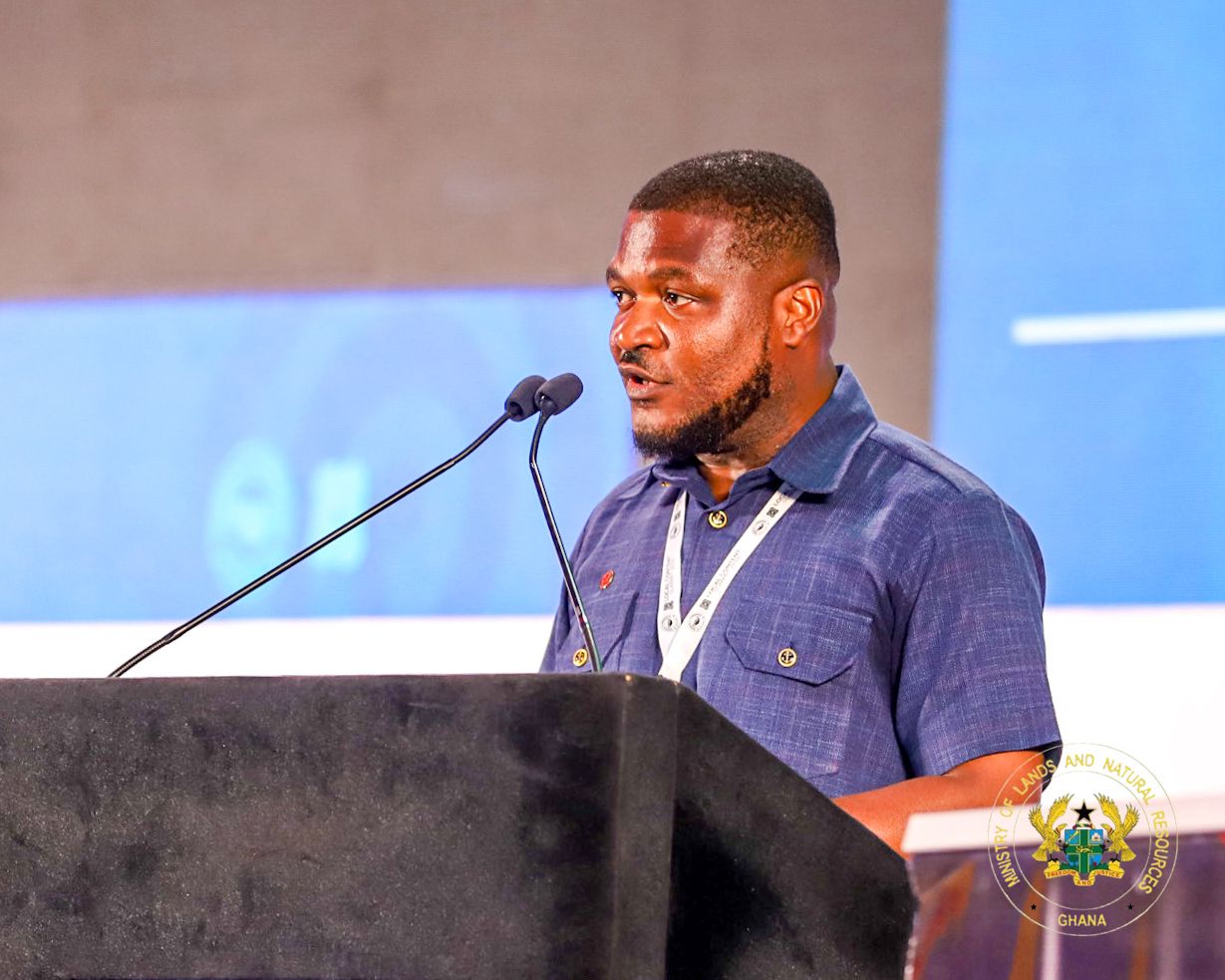
The Chief Executive Officer of the Minerals Commission, Isaac Tandoh, has announced sweeping series of reforms aimed at reclaiming Ghanaian ownership of the mining sector, including the strategic revocation of over 300 fraudulently acquired or dormant small-scale licenses.
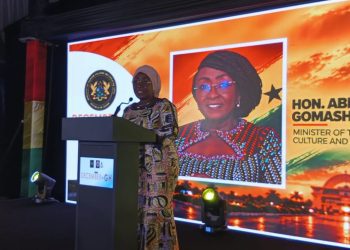
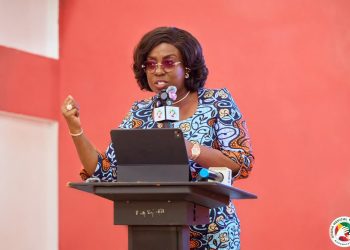
Speaking at the maiden Mining Local Content Summit in Takoradi, Mr. Tandoh delivered a blunt assessment of the industry’s seventy-year history since independence, questioning whether the nation has truly demonstrated the capacity to manage its own mineral wealth. He argued that while the sector has seen gains in local employment, there remains a critical distinction between providing labour and exercising control.
A central theme of the CEO’s address was the “unethical phenomenon” of fronting, where foreign interests hide behind Ghanaian names to satisfy regulatory requirements while retaining full control and profits.
He linked this practice directly to the ongoing scourge of illegal mining, or galamsey, and issued a stern warning to Ghanaians who facilitate these arrangements, stating they are being used to “disempower their own people.”
Under the policy direction of the Minister for Lands and Natural Resources, Emmanuel Armah-Kofi Buah, the Commission has spent the last twelve months moving beyond paper-based regulations to active enforcement.
Beyond the mass revocation of licenses, the Commission has also operationalized District Mining Committees, ensuring that no mining license is processed without recommendations from local leadership, a move intended to restore transparency to the licensing process.
According to him, the Commission is also overseeing a comprehensive overhaul of the Minerals and Mining Act (Act 703). This includes the revocation of LI 2462, which previously permitted mining in forest reserves, and the introduction of a new medium-scale licensing category designed to empower responsible Ghanaian miners who sit between small and large-scale operations.
In a move likely to impact multinational stakeholders, Tandoh announced that “Development Agreements” are being phased out entirely. He noted that these long-term arrangements have frequently been abused, with some companies using revenue generated from Ghanaian soil to develop mines elsewhere while failing to meet basic obligations to local district assemblies.
To replace these, the state is proposing a more dynamic royalty regime that will allow Ghanaians to share in the “blessing” of high global gold prices through a value-based capture system.
The CEO concluded by asserting that the Minerals Commission is now fully prepared to implement the President’s “Reset Agenda.” He emphasized that local content will no longer be treated as a “compliance checkbox” but as a strategic imperative embedded in every mining agreement and procurement decision.
The CEO extended a hand to “genuine investors” who view Ghana as a partner in progress, while simultaneously vowing to confront those who seek to exploit loopholes. The vision, he noted, is to build a sector that the next generation will value not just for the minerals extracted, but for the industrial capacity and domestic wealth it left behind.
Background to the Story
The Mining Local Content Summit 2026 is the first technical convergence of its kind aimed at “indigenizing” the mining value chain. Historically, Ghana has operated on an “extraction-only” model where the vast majority of technical services and profits were exported.
These new reforms represent a legislative shift toward “Value Retention,” ensuring that the billions of dollars spent annually on mining inputs, from engineering to equipment stay within the Ghanaian economy.
Story By: Eric Boateng