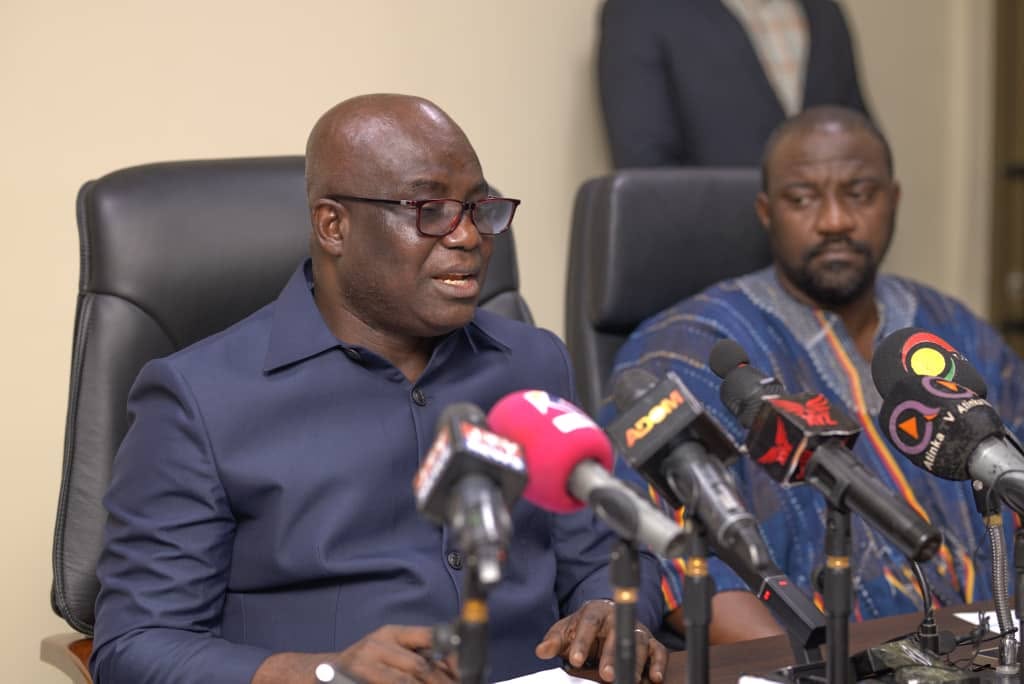
The Ministry of Food and Agriculture (MOFA) has challenged claims that it has received 85% of its 2026 budget allocation, insisting that funding released to the ministry falls significantly short of what has been publicly stated.
In a statement issued on June 5, MOFA said records available to the ministry do not support assertions that approximately GH¢1.67 billion has been released for agricultural programmes this year. Instead, the ministry maintained that actual releases remain far below its approved budget allocation, raising concerns about the implementation of critical interventions across the sector.
According to MOFA, several flagship programmes intended to boost food production, support farmers, and strengthen national food security have received only a fraction of their approved funding as of the end of May 2026.
These include allocations for fertiliser and certified seeds, the Poultry Farm-to-Table Programme, operational support for the ministry and its agencies, and the construction of 50 Farmers’ Service Centres.
The ministry noted that funding constraints have already affected procurement processes and implementation activities for some key agricultural projects, particularly planned investments in Farmers’ Service Centres, which are expected to provide essential support services to farmers across the country.
MOFA further stressed that public financial management must be guided by actual budget releases and approved expenditure authorisations rather than public declarations, especially in a sector that plays a central role in food production, job creation, and economic growth.
The ministry said it was issuing the clarification in the interest of transparency and accountability, arguing that the Ghanaian public deserves accurate information regarding the financing of programmes aimed at transforming agriculture and improving food security.
The statement, signed by the ministry’s Public Relations Unit, called attention to official budget execution records and maintained that the facts surrounding releases to the agriculture sector should be assessed based on documented allocations and actual funds made available for expenditure.