An aspiring Deputy National Communications Officer of the National Democratic Congress (NDC), Ewura Adams Karim, says the party must strengthen its appeal to young Ghanaians, particularly undecided voters, by bringing communicators who understand their concerns and can engage them effectively into its national leadership.
According to him, the growing influence of young people in Ghana’s political landscape requires the NDC to rethink how it communicates with the public, moving beyond its traditional support base to connect with voters who have no established allegiance to the party.
Speaking to Sena Nombo on Radio Gold’s Gold Morning Conversation, Mr Karim argued that political communication must reflect the experiences, expectations and interests of the younger generation if parties are to remain relevant to them.
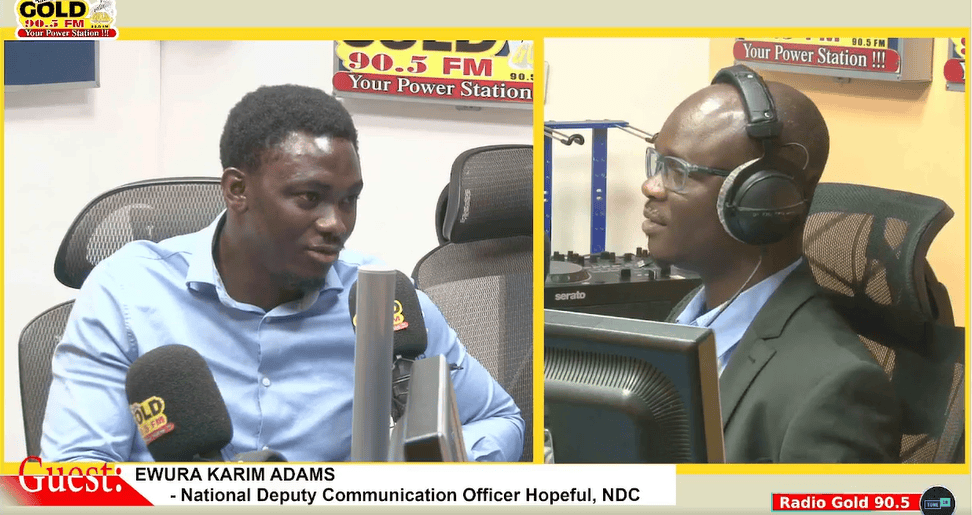
He said his decision to contest the Deputy National Communications Officer position was informed by his experience in political communication, broadcasting and community engagement, as well as his longstanding involvement in the NDC.
“For any political party to be able to win over some of these young people, especially those who are undecided, then you need to get somebody who understands them, who appreciates their issues and knows exactly how to go about those issues,” he stated.
Mr Karim expressed confidence that his background and approach to communication would enable him to contribute to the party’s engagement with young people across the country.
He disclosed that feedback following the announcement of his candidature had been largely positive, with some party supporters encouraging him to bring his experience and youthful approach to the national communications team.
The aspiring Deputy National Communications Officer said his professional experience extended beyond partisan politics, having worked in broadcasting, the public and private sectors, and the non-profit space.
He cited previous work with Class FM and Kwesé TV, as well as his background in applied theatre and theatre for development, which combines creative performance with social and behavioural change communication.
According to him, these experiences have equipped him to simplify complex information and communicate effectively with people from different educational and social backgrounds.
Mr Karim maintained that political messages should be accessible to ordinary Ghanaians, including people in rural communities who may not readily understand technical explanations of government policies and programmes.
He said he was prepared to engage communities directly and communicate in languages and formats that people could easily understand.
“I’m not afraid of work. I’m not afraid of getting my hands dirty. I’m not afraid of going to the villages or the communities and engaging the people in languages that they understand,” he said.
Beyond his professional experience, Mr Karim traced his political involvement to his upbringing in a family with strong ties to the NDC.
He explained that both his parents were party cadres whose involvement in politics influenced his interest in public service from childhood.
Describing himself as an “NDC baby”, he said his decision to seek national office was partly motivated by a desire to continue the political work his parents began.
He rejected any suggestion that his interest in the party’s communications leadership represented a sudden entry into politics, insisting that he had contributed to the NDC over several years.
Mr Karim formally launched his campaign in Accra on October 28, 2026, outlining proposals to strengthen the party’s communications structures, improve grassroots engagement and establish a rapid-response system to address misinformation and opposition claims.
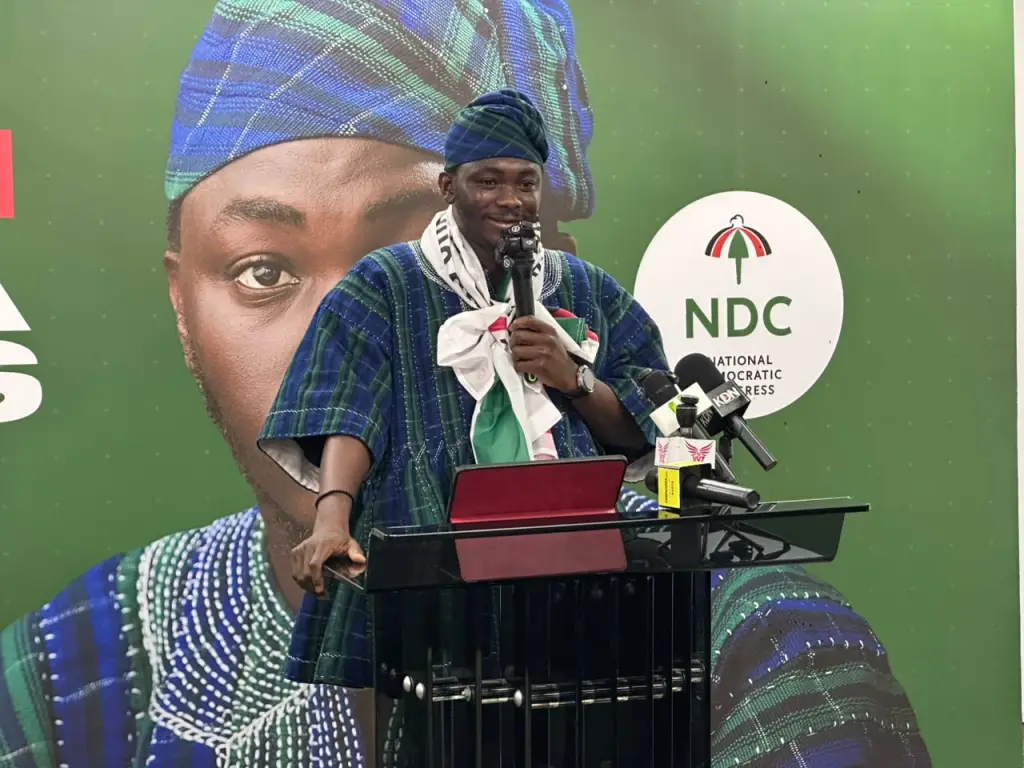
His candidature comes ahead of the NDC’s national executive elections scheduled for December 19, 2026.
According to figures released by the party’s Congress Elections Committee, seven prospective aspirants picked nomination forms for the Deputy National Communications Officer position, making it one of the contested offices in the forthcoming elections.
The party reported that 137 prospective aspirants had picked forms for 14 national executive positions by the October 21 deadline.
Prospective candidates are expected to file their completed nomination forms between November 7 and 9, 2026, after satisfying the party’s requirements, including payment of filing fees and securing the necessary endorsements.