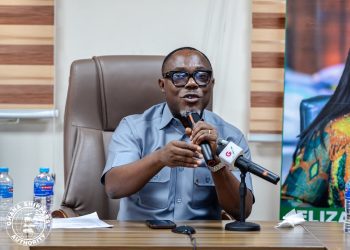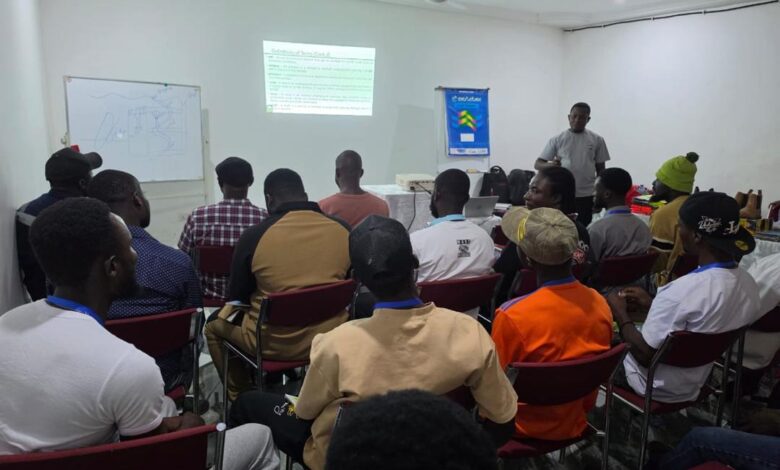
The Responsible Cooperative Mining and Skills Development Programme (rCOMSDEP) has extended its nationwide training programme for small-scale miners to Bunso in the Eastern Region, marking another step in efforts to formalise Ghana’s artisanal and small-scale mining sector.
The initiative forms part of a broader strategy to equip miners with the knowledge, skills, and practical tools needed to operate safely, responsibly, and in compliance with environmental and regulatory standards.
Under the programme, participants are being trained in key areas including occupational health and safety, environmental protection, regulatory compliance, and modern mining techniques designed to improve productivity while minimizing harm to communities and natural resources.
The training reflects a growing recognition that the future of Ghana’s small-scale mining sector depends not only on enforcement but also on education, capacity building, and responsible operational practices.
The programme is expected to help miners better understand their obligations under Ghana’s mining laws while promoting safer working conditions and more sustainable extraction methods.
Particular emphasis is being placed on environmental stewardship, as authorities continue efforts to address the long-standing challenges of land degradation, water pollution, and unsafe mining practices associated with illegal and unregulated mining activities.
The training also seeks to introduce miners to improved operational methods that can increase efficiency and profitability without compromising environmental sustainability.
rCOMSDEP noted that the expansion of the programme to Bunso is part of a nationwide effort to build a more structured, accountable, and professional small-scale mining industry capable of contributing meaningfully to national development.
The initiative aligns with government’s broader agenda of transforming the small-scale mining sector into a responsible and sustainable source of employment, economic growth, and community development.
By strengthening the skills and knowledge of miners, the sector can become a powerful driver of local economic empowerment while protecting Ghana’s forests, water bodies, and other critical natural resources.
rCOMSDEP maintains that training, formalisation, and stakeholder collaboration remain essential pillars in the drive to create a mining sector that balances economic opportunity with environmental responsibility.
As the programme continues to expand across mining communities, the ultimate goal is to ensure that small-scale mining becomes a lawful, productive, and sustainable enterprise that benefits both present and future generations.