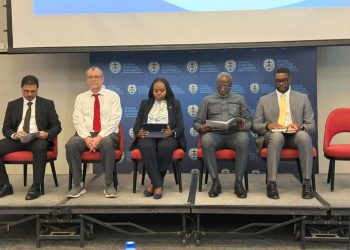
The Ghana National Association of Small-Scale Miners (GNASSM) has presented a comprehensive report to the Ghana Gold Board (GoldBod), capturing the outcomes of nationwide stakeholder engagements on the GoldBod pricing mechanism and ongoing reforms within the mining sector.
The report, which draws on extensive consultations with small-scale miners, traditional authorities, and other actors across mining districts, highlights growing consensus around the need for responsible mining, regulatory compliance, and a transparent gold trading system anchored on fair pricing.
According to the findings, the engagements recorded strong participation from stakeholders and a noticeable shift in attitudes toward licensed and environmentally responsible mining. Traditional authorities were actively involved in the discussions, signalling deeper community-level ownership of the reform agenda, while many miners expressed renewed willingness to formalise their operations under the evolving regulatory framework.
The consultations were aimed at demystifying GoldBod’s pricing and purchasing model, improving understanding of regulatory reforms, and building confidence among miners that the new system will protect their interests while strengthening state oversight of the gold sector. Participants were also taken through compliance requirements and the broader benefits of formalisation, including access to official markets and improved traceability.
One of the key proposals contained in the report is the introduction of a 2 percent discount within the pricing structure, alongside a new licensing regime. GNASSM explained that these measures are intended to discourage gold hoarding, curb market distortions, and encourage miners to sell through approved channels under GoldBod’s framework.

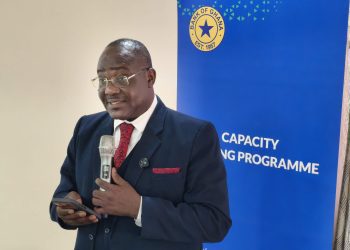
Reacting to the presentation, the Chief Executive Officer of the Ghana Gold Board, Sammy Gyamfi, welcomed the report and commended GNASSM for its inclusive approach to stakeholder engagement. He reaffirmed GoldBod’s commitment to working closely with small-scale miners, traditional authorities, and other stakeholders to translate the recommendations into practical policy actions.
Mr. Gyamfi stressed that sustained dialogue and collaboration are essential to advancing formalisation, strengthening traceability, and ensuring that Ghana retains greater value from its gold resources. He noted that reforms in the sector must be people-centred and built on trust if they are to deliver long-term benefits for miners, communities, and the national economy.
The report is expected to inform ongoing policy discussions as GoldBod continues efforts to stabilise the gold market, promote responsible mining, and position Ghana’s gold sector for greater transparency, value addition, and sustainable growth.