The Social Security and National Insurance Trust (SSNIT) says its total assets under management have grown significantly, rising from GHS 20.4 billion in December 2024 to nearly GHS 25 billion in 2025, driven by improved market performance, better collections, and strong investment returns.
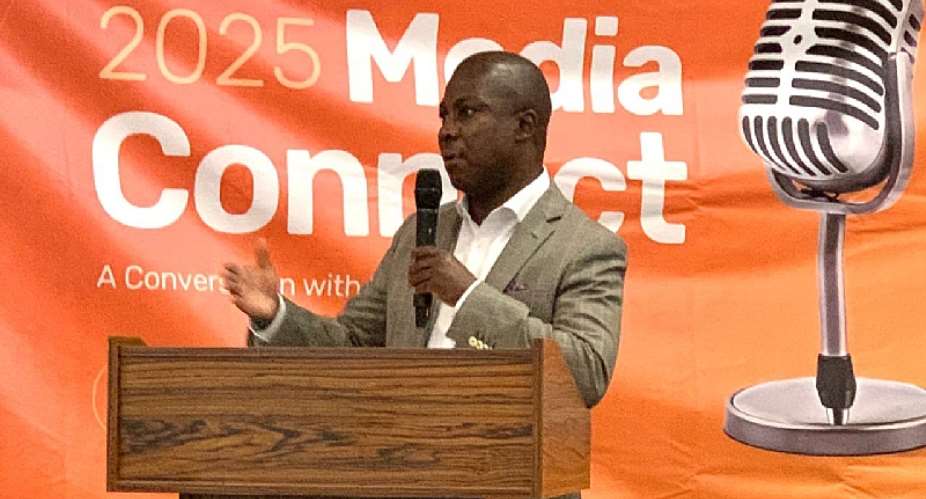
Speaking at the 2025 SSNIT Media Connect in Accra, Director-General Kwesi Afreh Biney attributed the growth mainly to the impressive performance of the Ghana Stock Exchange and strategic investment decisions by the Trust.
“The close to GHS 4 billion improvement in our assets under management has come from several places. Significant among them is the performance of the stock exchange this year,” Mr Afreh Biney said, adding that: “Our listed equities portfolio has improved by close to two billion cedis this year alone, reflecting the excellent performance of the stock market.”
He added that growth was also boosted by better collection rates and a one-billion-cedi payment owed from 2024, which the current administration ensured was cleared by March this year.
Mr Afreh Biney further explained that SSNIT’s short-term investment instruments, particularly repo trading with banks, had outperformed fixed deposits, further strengthening the Trust’s growth trajectory.
“We’ve played very well in that space, and that has given us the kind of growth trajectory we’re seeing,” he said.
The engagement, themed “A Legacy of Service,” formed part of activities marking SSNIT’s 60th anniversary. It sought to deepen collaboration between the Trust and the media in promoting accurate and impactful reporting on social-security matters.

Mr Afreh Biney emphasised that partnerships with the media remain key to driving transparency and public trust in the scheme.
“The media are critical partners in helping us educate the public about their rights and responsibilities under the SSNIT scheme,” he said.
The SSNIT Media Connect brought together journalists, editors, and communication professionals to discuss the Trust’s transformation initiatives and to explore how open dialogue can improve understanding of social-security issues across Ghana.