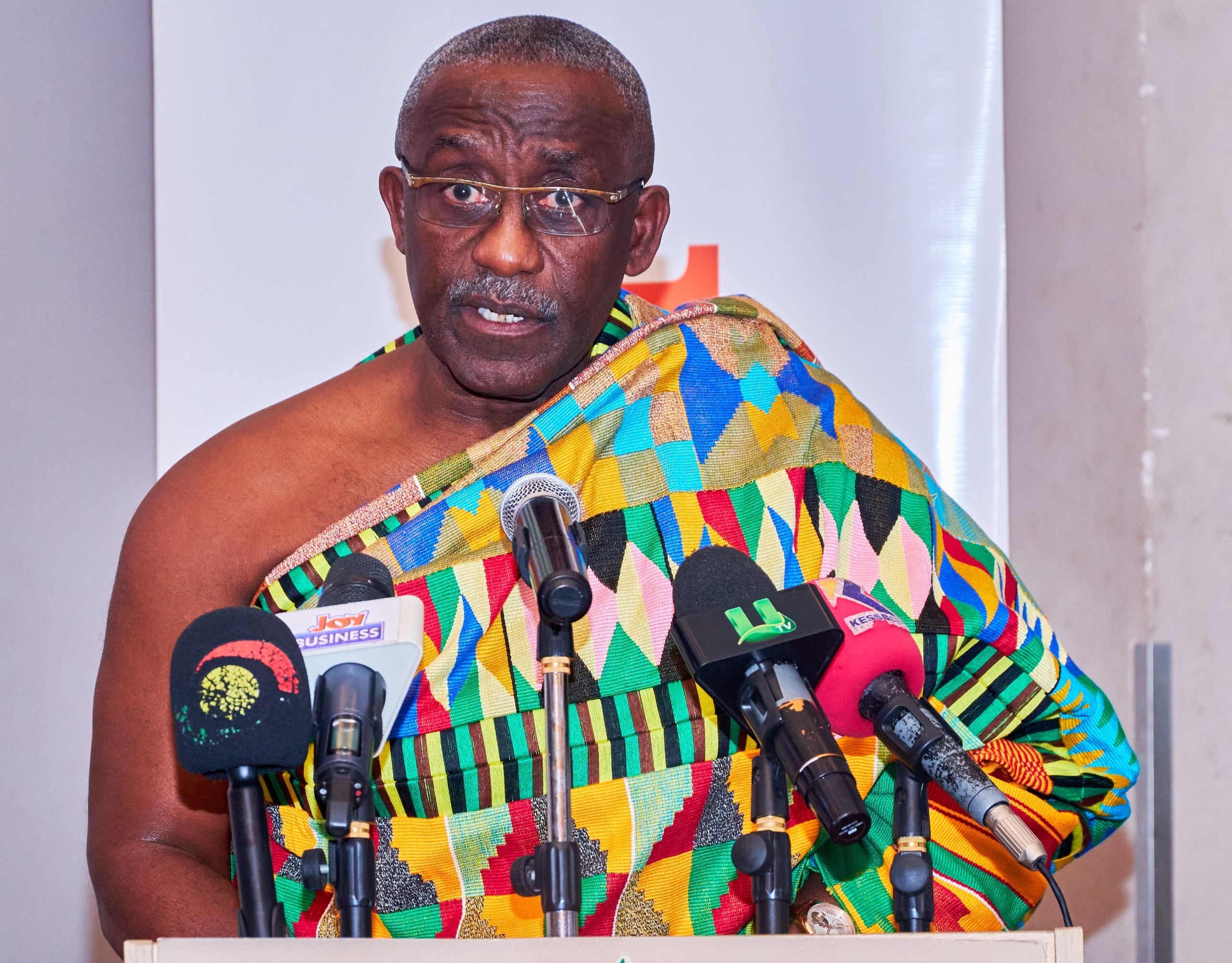
The Chairman of the Board of Trustees of the Social Security and National Insurance Trust (SSNIT), Nana Ansah Sasraku III, has called for stronger collaboration between the Trust and organised labour to build a pension system capable of protecting both today’s workforce and a rapidly changing generation of Ghanaian workers.
Speaking at an engagement between SSNIT Management and the leadership of organised labour at the Labadi Beach Hotel in Accra on Tuesday, August 11, 2026, Nana Ansah Sasraku III said the changing nature of employment requires stakeholders to critically examine whether Ghana’s existing social security system is adequately positioned to protect the worker of the future.
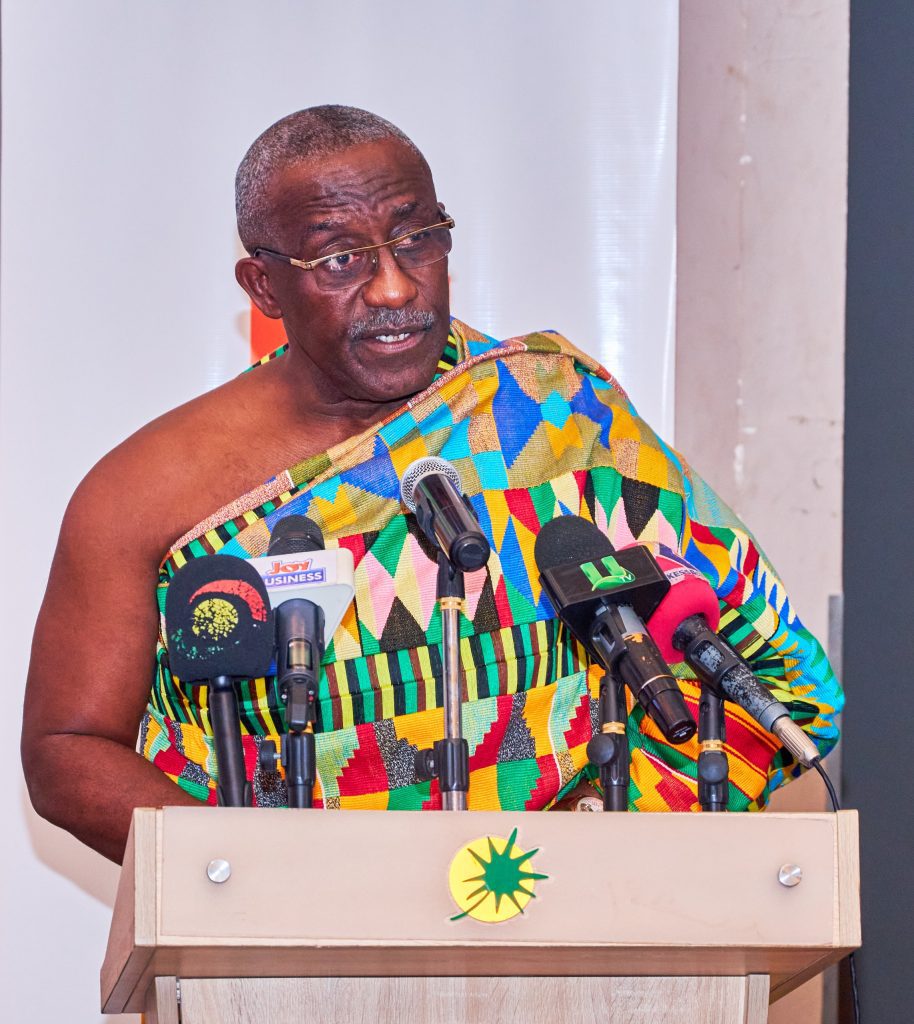
He said the engagement should go beyond a routine stakeholder meeting and instead serve as a conversation among institutions and groups entrusted with safeguarding the retirement security of Ghanaian workers.
According to him, SSNIT, organised labour, government, employers and workers all have responsibilities in ensuring that after a lifetime of work and contributions, every worker can retire with dignity, security and confidence.
“Ultimately, we share one objective: that after a lifetime of work, every Ghanaian worker should be able to look forward to retirement with dignity, security and confidence,” he said.
Nana Ansah Sasraku III acknowledged the contribution the SSNIT Scheme has made over the years in providing retirement income and other social security benefits to pensioners and their families.
He, however, stressed that the responsibility of the current leadership goes beyond celebrating past achievements, insisting that attention must now focus on keeping the Scheme strong, relevant and sustainable for future generations.
Changing world of work demands action
The Board Chairman identified the transformation of Ghana’s labour market as one of the major issues confronting the pension system.
He noted that traditional pension arrangements were largely developed around conventional forms of employment, but the profile of today’s worker has changed considerably.
He cited software developers working remotely for companies abroad, ride-hailing drivers, graphic designers, social media professionals, consultants, online traders, farmers, artisans, market women and small business owners as examples of people earning livelihoods outside conventional formal employment arrangements.
Despite their contribution to economic activity, he observed that many remain outside formal pension coverage.
Nana Ansah Sasraku III therefore challenged stakeholders to confront what he described as a difficult but necessary question about the future of social security.
“Can the pension system of yesterday adequately protect the worker of tomorrow?” he asked.
He said where the answer is not sufficiently convincing, stakeholders must be prepared to pursue necessary reforms—not merely for the sake of change, but through careful consultation and with the long-term interests of workers at the centre of decisions.
Trust critical to pension sustainability
Nana Ansah Sasraku III also placed public confidence at the heart of efforts to strengthen the Scheme, arguing that social security cannot be sustained by institutions alone.
He said workers must be confident that their contributions are secure, employers must understand and fulfil their obligations, and pensioners must have confidence that the system will continue to provide for them.
The wider public, he added, must see a pension institution that is transparent, accountable and constantly improving.
According to him, SSNIT has been investing in technology, service improvements and new approaches aimed at making its services more accessible and improving the experience of members.
He cautioned, however, that technological improvements alone would not be sufficient to build public confidence.
Relationship-building, dialogue, transparency, institutional performance and partnership, he said, would be equally important.
Organised labour indispensable to SSNIT’s future
The Board Chairman consequently described organised labour as an indispensable partner in determining the future direction of Ghana’s social security system.

He acknowledged labour unions’ longstanding role in protecting workers’ rights and advancing the interests of working people, noting that union leaders are often better positioned to understand the concerns and aspirations of workers.
He said SSNIT does not regard organised labour simply as an audience to which the Trust must explain its activities, but as a partner with whom the future of social security must be built.
Nana Ansah Sasraku III identified pension education, employer compliance, expansion of pension coverage and improved public understanding of social security as areas where closer collaboration could make a significant difference.
He also called for joint consideration of reforms required to safeguard the long-term sustainability of the Scheme while ensuring that SSNIT remains accountable to the workers it exists to serve.
‘Ask the difficult questions’
The Board Chairman welcomed scrutiny from organised labour, stressing that partnership should not be interpreted to mean stakeholders must always agree.
He argued that strong institutions could emerge from constructive disagreement and therefore encouraged labour leaders to openly raise concerns about SSNIT’s operations.
“Speak openly, ask the difficult questions, challenge us where you believe we can do better,” he urged.
He further encouraged organised labour to identify areas where workers expect improvement while also helping the Trust consolidate areas where progress has been made.
Nana Ansah Sasraku III said the engagement would provide an opportunity to examine the performance of the Scheme, its strategic priorities, challenges confronting social security, and initiatives aimed at improving service delivery, expanding pension coverage and strengthening long-term sustainability.
He urged participants to approach the discussions as partners confronted by a common responsibility rather than merely as representatives of separate institutions.
According to him, the central question should be what SSNIT and organised labour can collectively do to secure the future of Ghanaian workers.
He expressed hope that the engagement would usher in a deeper relationship between SSNIT and organised labour founded on trust, shared responsibility and common purpose.
“Our generation inherited the Scheme. Our duty is to leave it stronger, more responsive, more transparent and more sustainable than we found it,” Nana Ansah Sasraku III said.
He called on all stakeholders to work towards building a stronger social security system that guarantees a more secure retirement for every Ghanaian worker.