The Social Security and National Insurance Trust (SSNIT) has grown its assets under management to GH¢35.4 billion as of June 2026, with Director-General Kwesi Afreh Biney pointing to stronger investment returns, improved contribution collections and expanding membership as signs of the Scheme’s improving financial position.
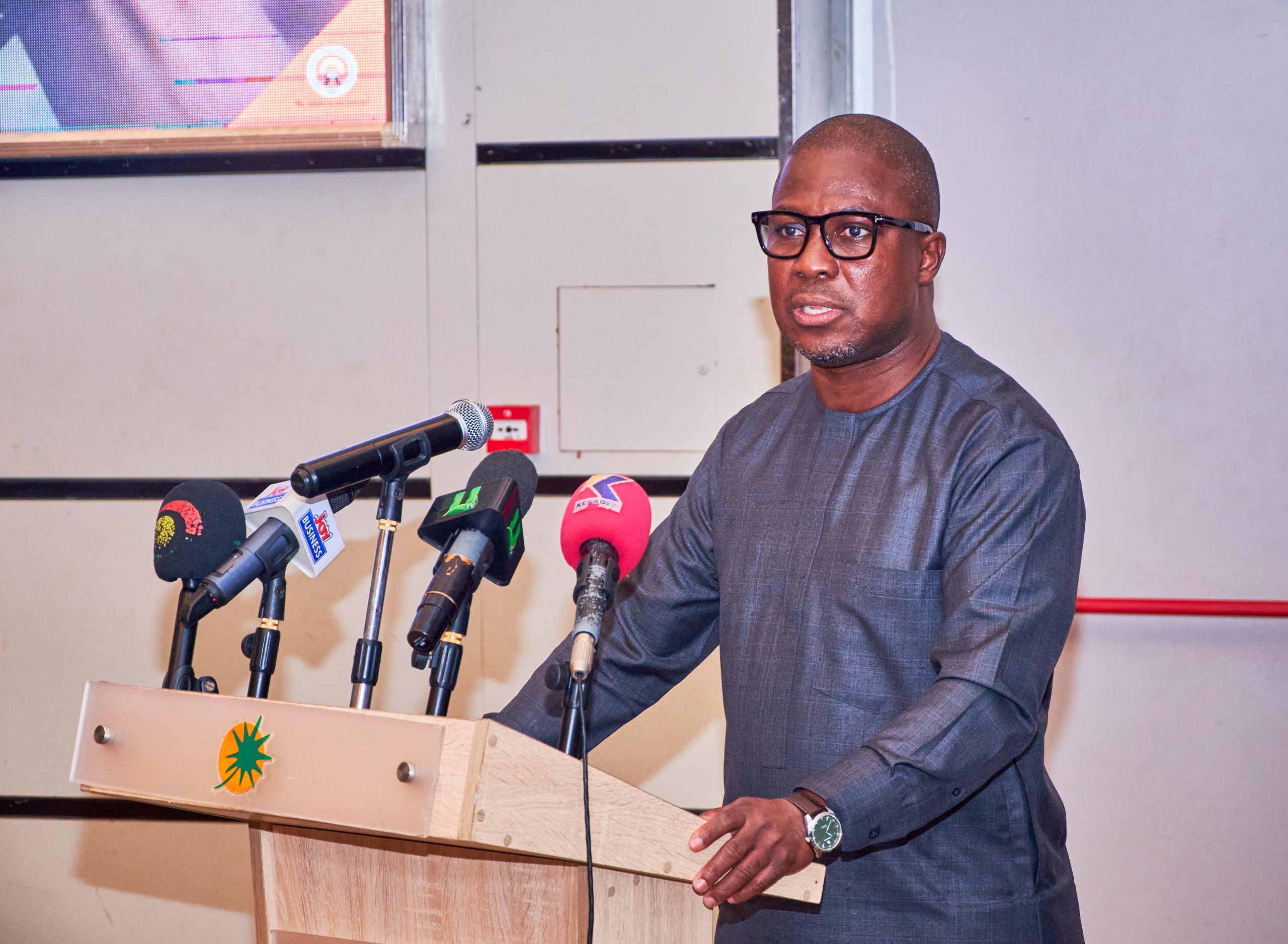
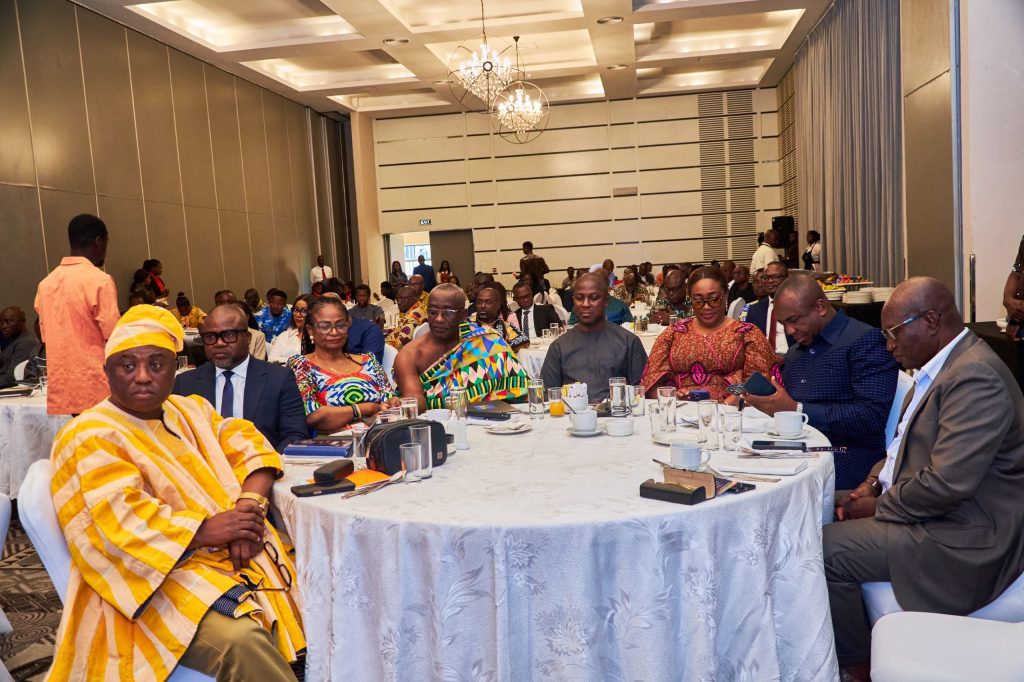
Speaking at an engagement between SSNIT Management and the leadership of organised labour at the Labadi Beach Hotel in Accra on Tuesday, August 11, Mr. Biney said the Trust’s assets have recorded significant growth over the past few years, rising from GH¢20.48 billion in 2024 to more than GH¢28 billion at the end of 2025 before reaching GH¢35.4 billion by June this year.
He said the latest performance reflects efforts to strengthen the Scheme’s investment portfolio and generate sufficient returns to meet its long-term obligations to contributors and pensioners.
According to the Director-General, equities accounted for about 59% of SSNIT’s investment portfolio as of June 2026, while fixed-income investments represented about 22%, real estate 18% and alternative investments about 1.2%.
He disclosed that the Scheme’s real return on investments had exceeded 18% as of the end of June 2026, describing improved investment performance as critical to strengthening SSNIT’s sustainability.
The Director-General said total contributions to the Scheme exceeded GH¢12 billion in 2025, while GH¢6.7 billion had been collected during the first six months of 2026.
He also commended the Ministry of Finance and the Controller and Accountant-General’s Department for what he described as improved adherence to the payment of public-sector contributions.
According to him, government ended 2025 without outstanding member contributions for the year and even prepaid GH¢156 million towards the December contribution that would ordinarily have fallen due in January 2026.
Mr. Biney said SSNIT currently has more than 265,000 pensioners on its payroll and had paid approximately GH¢4.4 billion in benefits by June 2026.
He further disclosed that pension processing times have improved considerably, with applications capable of being processed within seven days once all required documentation has been submitted.
The Trust, he said, has consistently paid pensions on time and is introducing additional services to improve the welfare of retirees.
The Director-General also addressed concerns about the long-term sustainability of the pension scheme, citing SSNIT’s most recent actuarial valuation, which was based on 2023 data.
He explained that under the assumptions used in the valuation, the Scheme could begin requiring support from investment income around 2055 as growth in pension obligations increasingly puts pressure on contribution income.
The valuation further projected that, under an 85% contribution compliance rate, the fund could face depletion around 2073 if corrective measures were not taken.
Mr. Biney, however, stressed that the projections are based on assumptions and do not fully reflect some of the stronger growth currently being recorded by the Trust.
Significantly, he said the actuarial analysis showed that at 100% collection of contributions due, the Scheme could extend beyond the 50-year projection period without major changes.
He said SSNIT is therefore pursuing higher membership growth, stronger contribution compliance and improved investment returns to ensure the Scheme remains sustainable well beyond the actuarial projections.
Mr. Biney said SSNIT’s objective is not merely to maintain the Scheme but to build a stronger institution capable of meeting its obligations to future generations of Ghanaian workers.
He called on organised labour to support efforts to improve compliance and pension literacy, describing workers’ representatives as essential partners in safeguarding the future of the Scheme.