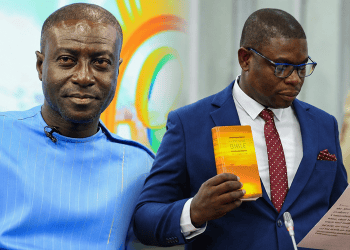
The Speaker of Parliament, Rt. Hon. Alban Sumana Kingsford Bagbin, has sparked a heated public discussion after proposing a mandatory annual leave for Members of Parliament (MPs). The proposal, made as Parliament reconvened on Tuesday, October 21, 2025, for the Third Meeting of the First Session, aims to address the demanding workload and its perceived negative impact on MPs’ health and family life.
The Speaker’s Rationale
In his address to the House, Speaker Bagbin acknowledged the relentless nature of parliamentary duties, arguing that the job often leads to burnout and strained personal relationships.
”The work of a Member of Parliament is commitment,” he stated. “Even during the designated recess periods, MPs are constantly engaged in committee work, legislative oversight, project inspection in their constituencies, and attending to the needs of their constituents.”
The Speaker lamented that the lack of a structured, mandated break makes the job unsustainable, proposing that a dedicated annual leave should be embedded in the new Standing Orders to give MPs necessary time to rest, recuperate, and attend to their personal affairs. He cited the practice in other parliaments globally as a model for promoting better well-being and, ultimately, more effective governance.
Public Backlash: Why the Controversy?
The proposal has been met with immediate and strong backlash from a significant portion of the Ghanaian public, media commentators, and civil society organizations. The core of the public discontent lies in the existing parliamentary calendar, which already includes scheduled recess periods.
A typical parliamentary session is structured around three meetings per year, separated by recesses. Many Ghanaians argue that these recesses, which can collectively total several months, already serve as the annual leave for the MPs.
The prevailing public sentiment is that MPs are generously compensated for their demanding role and that their responsibilities to the nation and their constituencies should take precedence over what is seen as an attempt to formalize more time off. Critics contend that formalizing a separate “annual leave” on top of the existing recesses would further reduce the already limited time available for parliamentary sittings and legislative work.
A Deeper Look at the Need for a Break
However, the introduction of a mandatory annual leave for MPs, separate from parliamentary recesses, is a vital measure to ensure the long-term effectiveness, ethical conduct, and personal well-being of the nation’s legislators.
The current “recess” is not a holiday; it’s a shift from Accra duties to even more demanding constituency duties. A designated, protected annual leave is necessary to allow the mind to fully rest, reducing the risk of burnout, stress-related illness, and impaired cognitive function, which are essential for making critical legislative decisions.
The continuous demand of the job often leads to family disintegration, strained marriages, and absent parenting. Public service should not require the sacrifice of one’s fundamental human need for family connection.
Also, providing a formal annual leave acknowledges that MPs are human beings with personal and familial responsibilities. Allowing them time to strengthen ties with their loved ones is not a luxury, but a measure of compassionate governance that safeguards the mental health and emotional stability of the lawmaker. A well-adjusted, mentally healthy MP is better equipped to serve the public.
Many progressive parliaments worldwide have structured calendars that clearly differentiate between sitting periods, committee periods, constituency work periods, and personal leave. Ghana, as a leader in African democracy, should adopt best practices that support its legislators’ well-being to ensure the quality and sustainability of the democratic institution.
Possible Ways Forward
The debate is now poised to become a key issue as Parliament considers amendments to its Standing Orders. Possible ways this proposal could be addressed include:
Redefining “Recess”
Instead of introducing a separate “annual leave,” Parliament could redefine the recess period to create a mandatory, non-negotiable two or three-week block where MPs are restricted from undertaking official parliamentary business like committee meetings. This would force a break without adding extra days off.
Differentiating Between Parliamentary and Constituency Work
The proposal could be framed to acknowledge that the MPs’ workload outside the Chamber is primarily constituency-based. The new Standing Orders could incorporate clear guidelines on work-life balance, perhaps offering psychological or welfare support, rather than a separate leave entitlement, to manage the stress of their dual roles.
Public Engagement and Education
The Parliamentary Service and the Media could undertake an education campaign to clearly explain how MPs spend their time during recess, detailing the constant committee meetings and oversight duties. Greater transparency might help the public understand why the current recess is often not a genuine break.
This proposal is a critical opportunity to redefine the sustainability of public service in Ghana. We must recognize that supporting the well-being of our legislators is not a handout, but an investment in the effectiveness and integrity of our democracy.
By: Eugenia Ewoenam Osei
| S |