The Energy Commission, in collaboration with GIZ, has launched the Public Facility Sustainable Energy Action Plan (PF-SEAP) Programme to promote renewable energy adoption, improve energy efficiency and reduce carbon emissions across Ghana’s public sector.
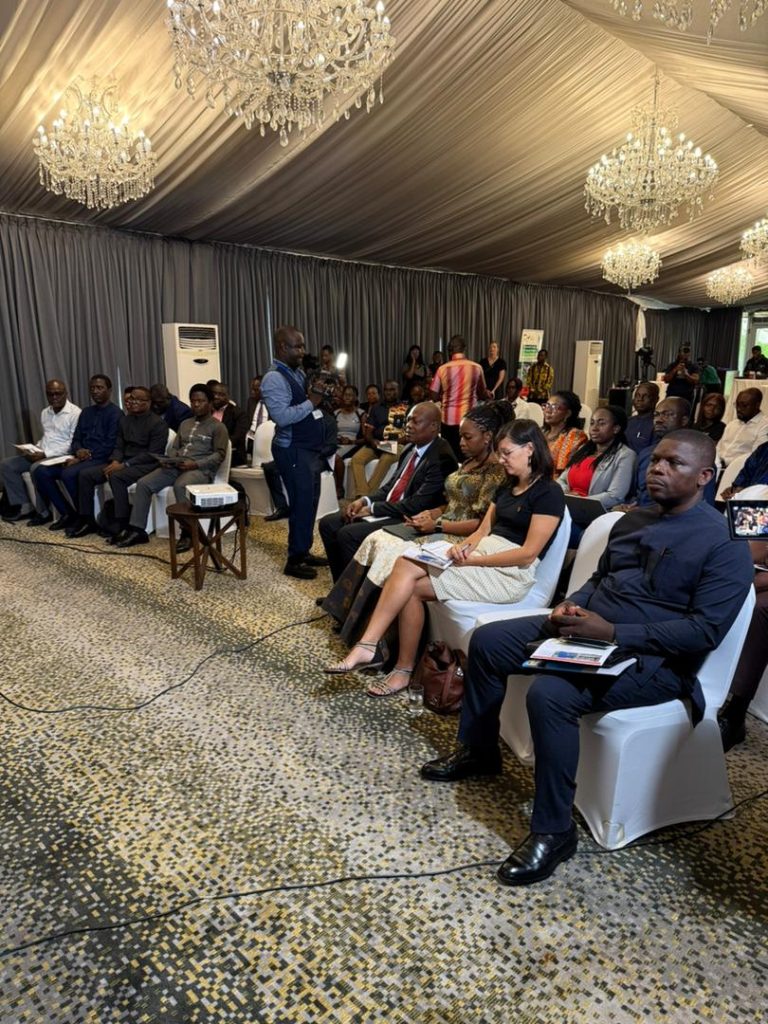
The launch event brought together representatives from government institutions, development partners, financial institutions, private-sector organisations, civil society groups and the media to reaffirm Ghana’s commitment to sustainable development and climate action.
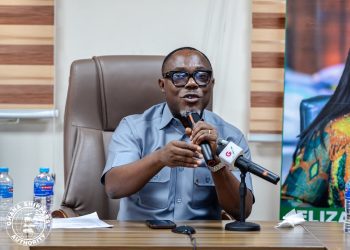
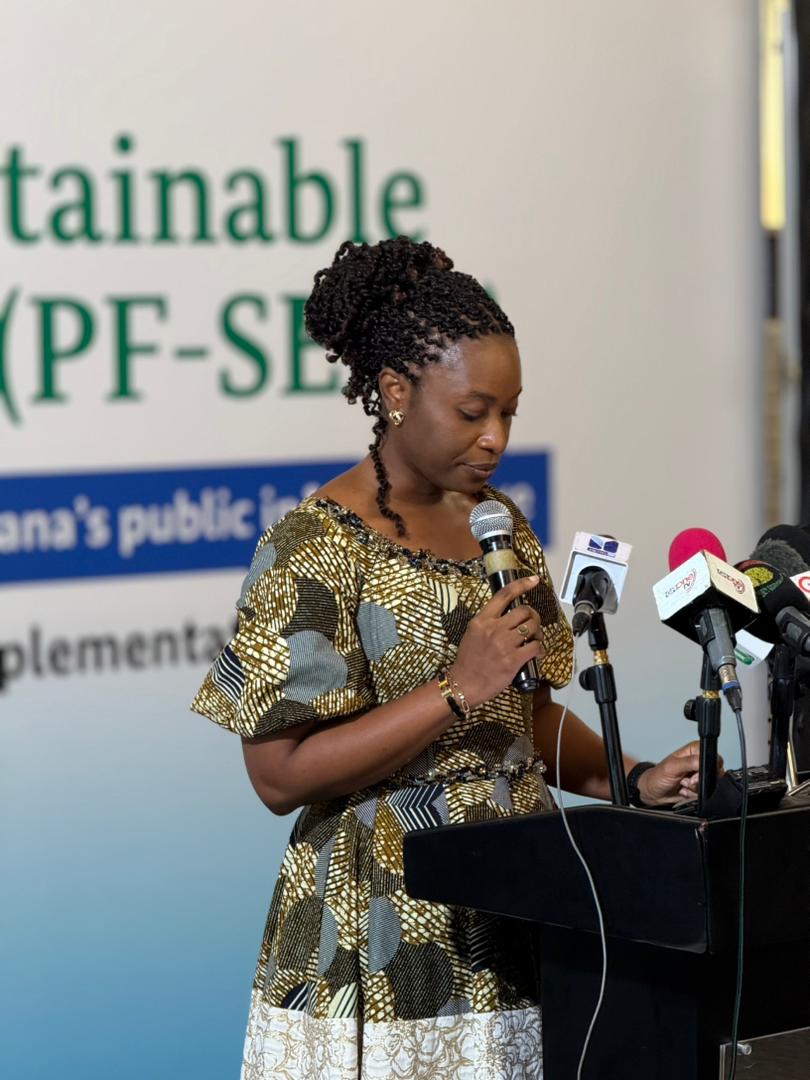
Speaking at the event, the acting Executive Secretary of the Energy Commission, Adwoa Serwaa Bondzie, described the PF-SEAP Programme as a strategic national intervention aimed at strengthening energy management practices within public institutions.
She said the initiative aligns with Ghana’s energy transition agenda and supports the country’s climate commitments by improving energy efficiency and sustainability in the public sector.
According to her, the programme is expected to help public institutions adopt cleaner and more efficient energy systems while reducing operational costs and environmental impact.
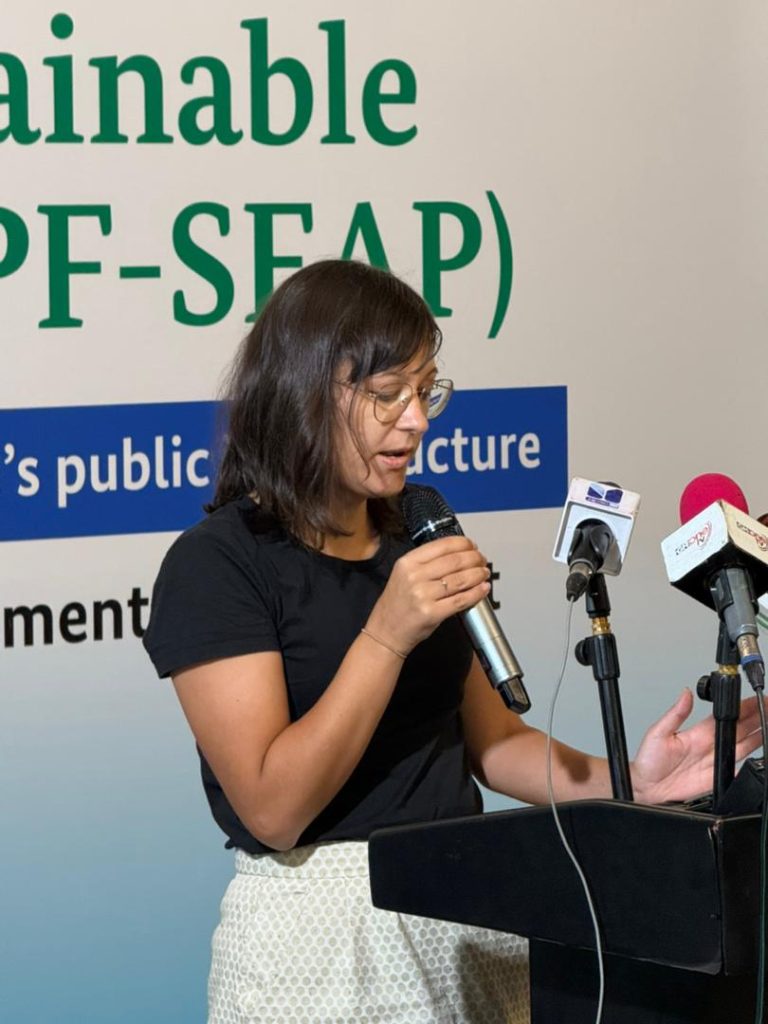
The Head of Cooperation at the German Embassy, Johnanna Klotz, highlighted the economic and environmental benefits of investing in energy efficiency and renewable energy technologies.
She explained that an investment of GH¢10 million in energy-efficient technologies such as LED lighting, efficient cooling systems and rooftop solar installations across hospitals and schools could generate an estimated GH¢29 million in total benefits through lower electricity bills, reduced maintenance costs and longer equipment lifespan.
Providing an overview of the programme, Deputy Director of the Energy Commission, Kennedy Amankwa, said the PF-SEAP initiative has the potential to achieve emission savings of about 157,208 tonnes of carbon dioxide equivalent (tCO2e).
Chairman of the Board of the Energy Commission, Prof. John Gartchie Gatsi, stressed the importance of institutional collaboration and leadership in advancing sustainable energy reforms.
He described the PF-SEAP Programme as a transformational step toward integrating energy efficiency and renewable energy solutions into public infrastructure and operations.
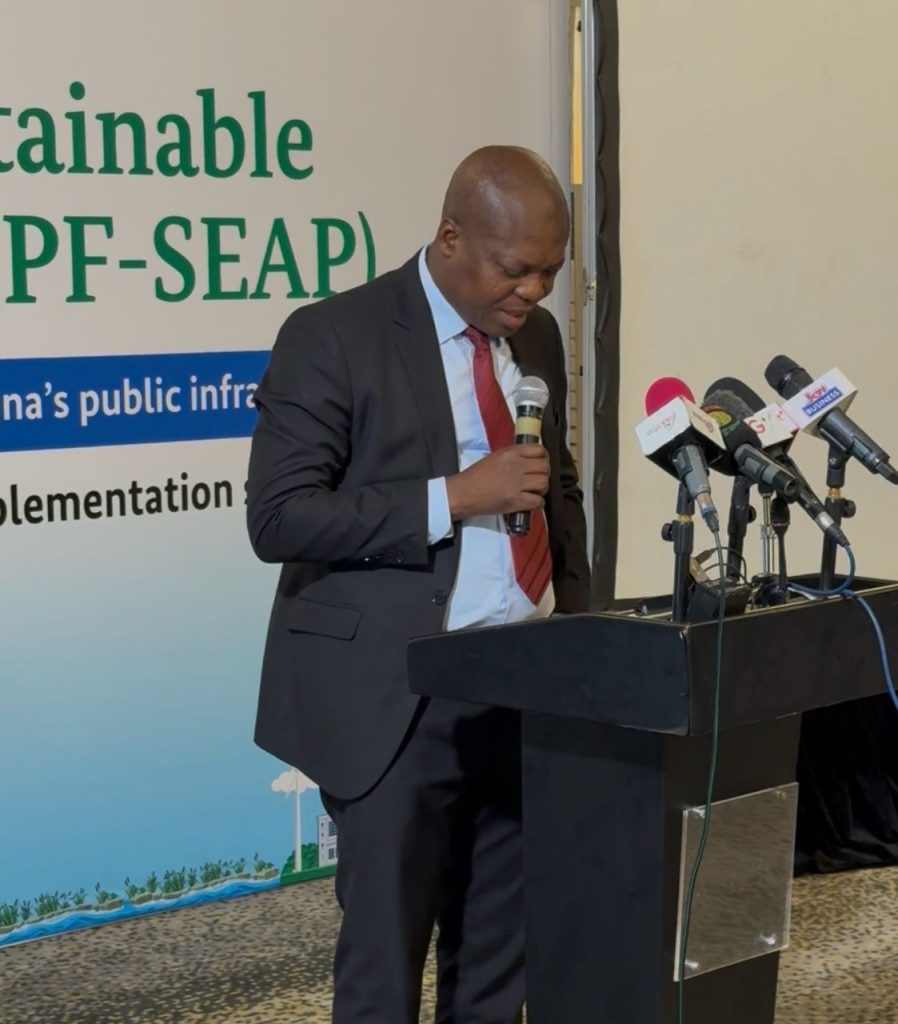
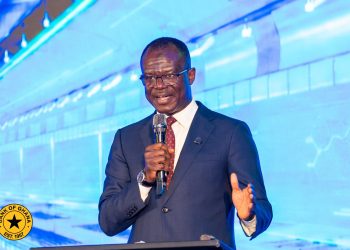
Delivering the keynote address, Deputy Minister for Energy and Green Transition, Richard Gyan-Mensah, reaffirmed government’s commitment to Ghana’s green transition agenda through practical and measurable interventions.
He noted that the PF-SEAP Programme would support the government’s industrial transformation and 24-hour economy agenda by promoting efficient energy use, reducing operational costs within public institutions and improving energy sustainability.
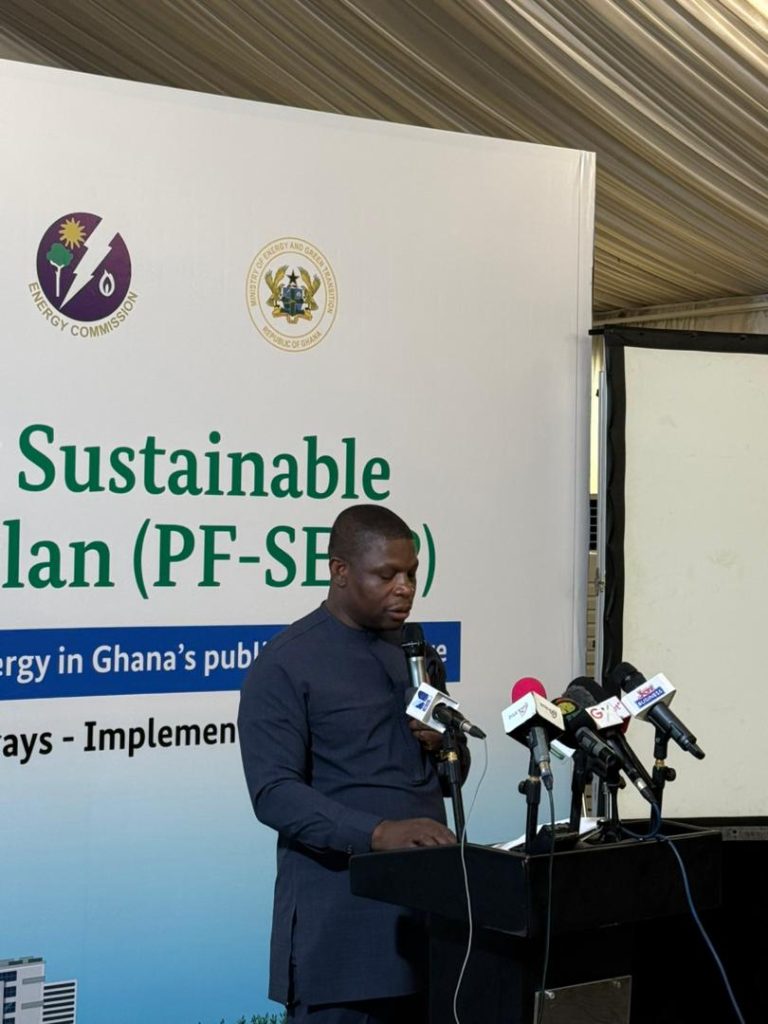
The Deputy Minister added that investments in energy efficiency and renewable energy remain critical to strengthening public-sector financial sustainability and enhancing national productivity.
A major highlight of the event was the inauguration of the PF-SEAP Institutional Technical Committee, made up of representatives from key Ministries, Departments and Agencies (MDAs), technical institutions and partner organisations.
The committee has been tasked with providing technical guidance, coordinating stakeholder engagement, monitoring implementation and ensuring compliance with sustainable energy policies.
The PF-SEAP Programme forms part of Ghana’s broader efforts to promote sustainable energy development, climate resilience, low-carbon growth and responsible public-sector energy management.
The Energy Commission reiterated its commitment to maintaining partnerships with stakeholders, investors and development partners to accelerate renewable energy and energy-efficiency investments in Ghana.
Story By: Eric Boateng