The Managing Director of the Tema Oil Refinery (TOR), Edmond Kombat, has revealed that the company had accumulated approximately GH¢10 billion in losses and US$517 million in debt when the current administration assumed office in January 2025.
According to him, the refinery was also burdened by negative equity of GH¢7.6 billion, deteriorating infrastructure, substantial unpaid statutory obligations and six consecutive years of unaudited financial statements.
Speaking at the Government Accountability Series, Mr. Kombat painted a troubling picture of the refinery’s financial and operational condition, describing an institution that had largely abandoned its core mandate of refining crude oil.
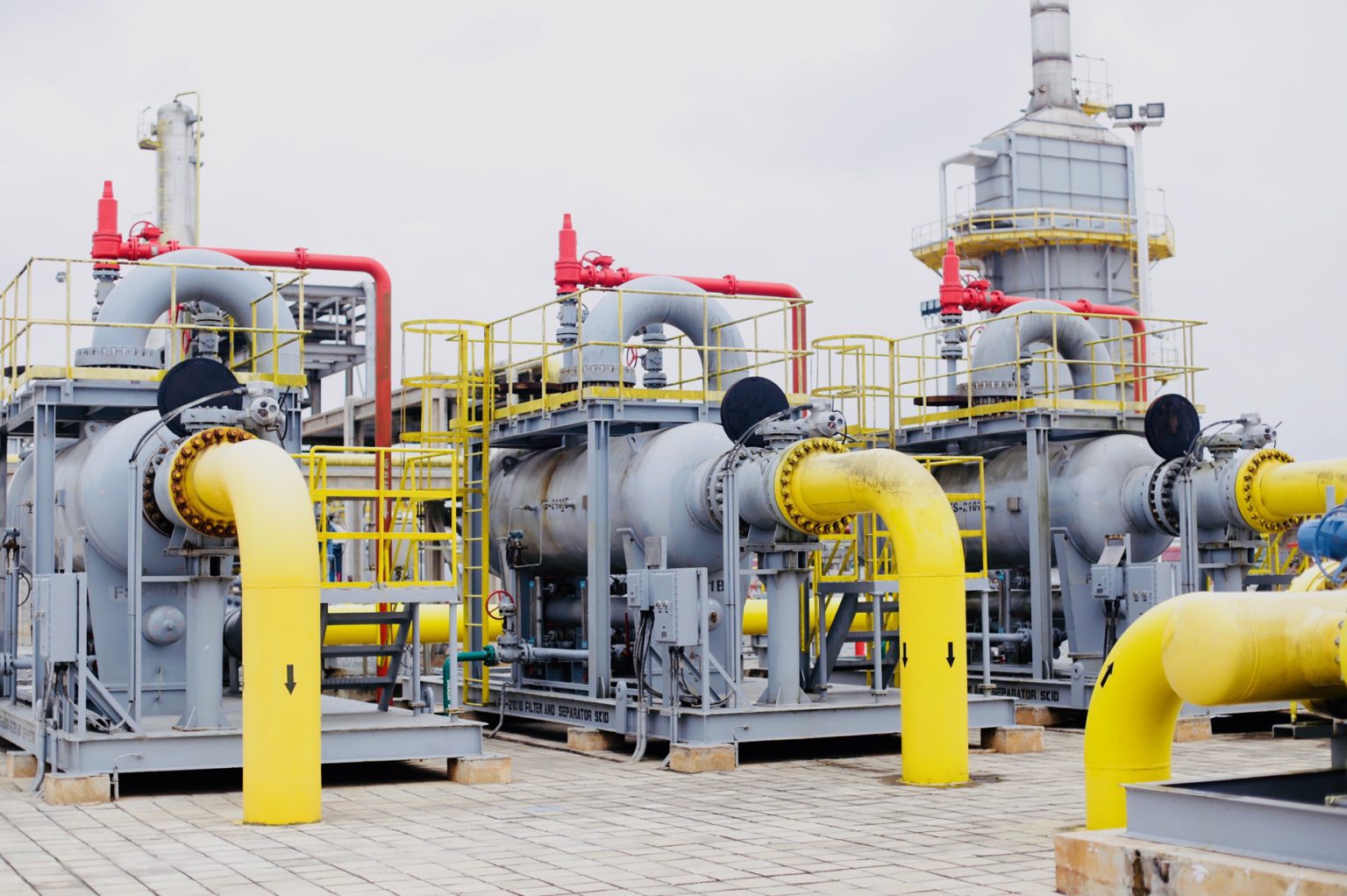
He disclosed that the Crude Distillation Unit (CDU) had been inactive since April 2021, while the Residue Fluid Catalytic Cracking (RFCC) Unit had been shut down since 2019.
The prolonged shutdowns, coupled with inadequate maintenance, had reduced TOR largely to renting storage facilities to petroleum service providers.
Of the refinery’s 59 storage tanks, 18 were out of service, with some having remained inactive since 2004.
Mr. Kombat further revealed that TOR owed the Ghana Revenue Authority GH¢200 million, the Social Security and National Insurance Trust GH¢20 million, and approximately GH¢190 million in outstanding obligations to staff provident funds, retirees and former employees.
Additional liabilities were owed to the Electricity Company of Ghana, Ghana Water Company, the Ghana National Petroleum Corporation, the Volta River Authority and other commercial entities.
The Managing Director also alleged that between 2019 and 2024, petroleum products belonging to three third-party service providers, valued at millions of dollars, were sold without the owners’ knowledge to finance staff salaries.
He disclosed that the company was also facing serious human-resource challenges, including low staff morale, employee departures and more than 300 unresolved promotion petitions, some dating back a decade.
Providing historical context, Mr. Kombat contrasted the situation with the January 2017 transition, when he said TOR was operational, had processed approximately five million barrels of crude oil in 2016 and held about two million barrels in storage.
He said the refinery’s debt had previously been reduced from approximately US$650 million to US$300 million through restructuring supported by the Energy Sector Levies Act.
Mr. Kombat additionally claimed that TOR had been on the verge of being sold or leased for US$21 million before the current administration took office.
The disclosures raise questions about the financial management, operational oversight and accountability arrangements that governed the refinery during the intervening years.