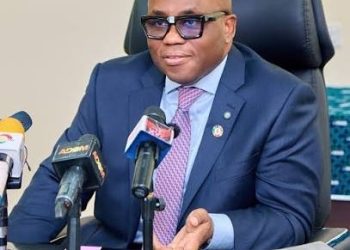
Former Ghanaian Ambassador to the Netherlands, Dr. Tony Aidoo, has defended the proposed reintroduction of tribunals into Ghana’s judicial system, insisting they are constitutionally mandated and should not be mistaken for a parallel court structure.
Speaking on Gold Morning Conversation, Dr. Aidoo said the ongoing public debate over the Tribunal Bill remains premature because the legislation has not yet received presidential assent.
According to him, opponents of the bill will still have the opportunity to challenge any constitutional concerns in court once the President signs it into law.
“My take is that until the President gives his assent, the bill is still at the stage of argument. When the President signs it, those who oppose it can go to court and challenge its provisions,” he said.
However, he maintained that, in practical terms, Ghana needs tribunals to strengthen the administration of justice.
“We need the tribunals back into our judicial system,” he stressed. He explained that the framers of the 1992 Constitution deliberately provided for their establishment, describing the constitutional wording as a clear injunction rather than a discretionary provision.
Dr. Aidoo explained that the current bill merely broadens the scope of tribunal adjudication and does not create an entirely separate judicial structure.
Instead, he said the proposed tribunals would function as an integral component of Ghana’s existing court system, with their decisions remaining subject to the same judicial oversight and appellate processes as other courts.
“If this was offensive to the Constitution, it would have been struck down a long time ago,” he argued.
Responding to concerns about the country’s experience with tribunals during the PNDC era, Dr. Aidoo dismissed comparisons between the proposed system and the revolutionary tribunals of the past.
He argued that Ghana should not allow historical experiences to prevent institutional reforms aimed at improving justice delivery.
“The tribunals being proposed are not going to operate under the same circumstances or with the same approach as the PNDC tribunal system. For how long are we going to remain victims of our history?” he asked.
He added that every democratic society must learn from past mistakes instead of allowing them to obstruct future progress.
Dr. Aidoo further pointed to the growing backlog of cases before the courts, saying Ghana requires alternative mechanisms to improve access to justice rather than simply creating more conventional courts.
He said the tribunal model would allow ordinary citizens to participate in determining questions of fact, similar to the jury system used in established democracies.
“I have served as a juror in the UK before, so I know its usefulness,” he said, explaining that tribunal members would determine the facts of a case while the presiding chairperson applies the law.
The former ambassador rejected claims that tribunals would undermine the authority of the courts, noting that every tribunal judgment would remain appealable before the Court of Appeal.
According to him, the proposed legislation neither establishes a separate appeals structure nor creates different rules of justice outside Ghana’s existing judicial framework.
“It is not setting up a separate tribunal appeal system,” he stressed, insisting that the reforms are intended to complement, rather than replace, the country’s courts.