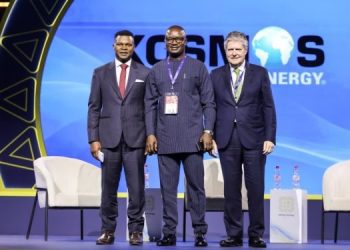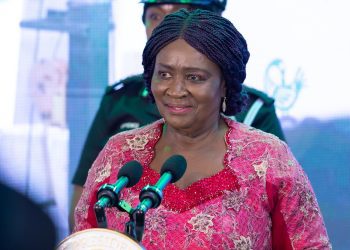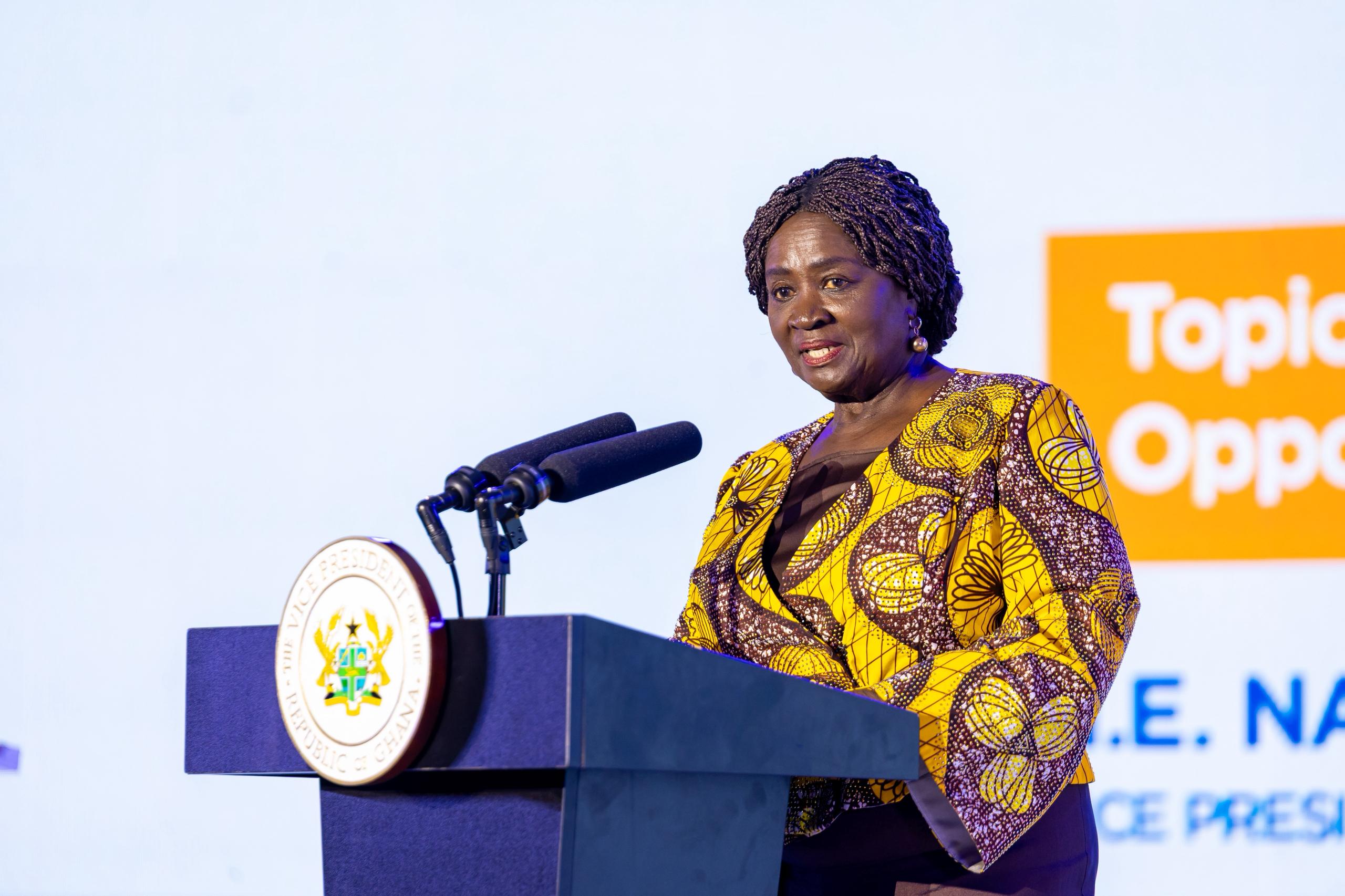
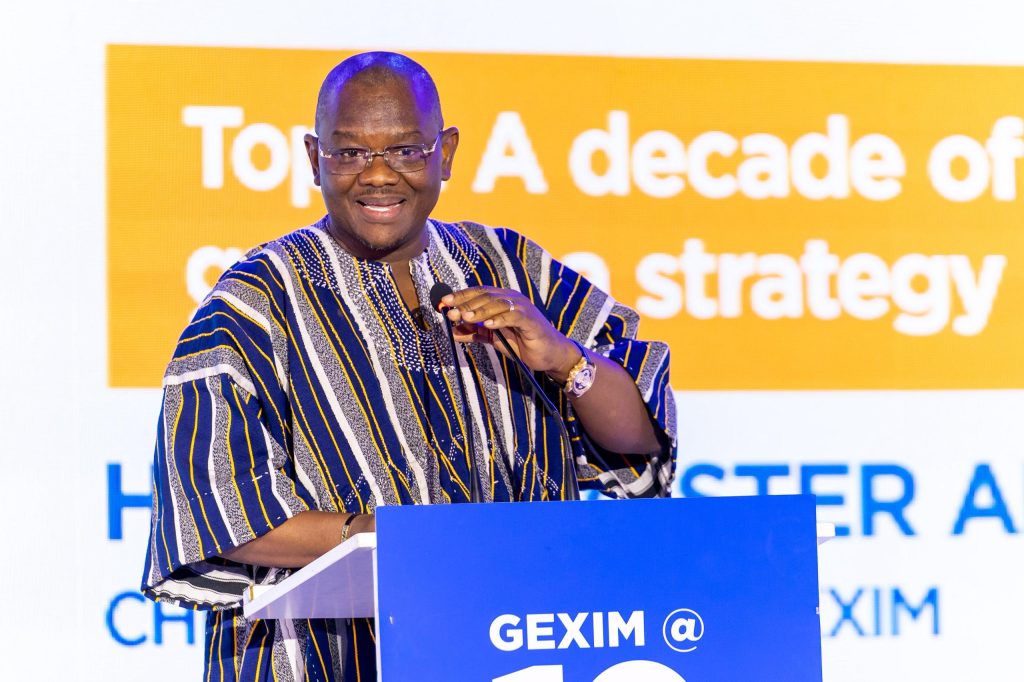
Vice President, Naana Jane Opoku-Agyemang, has called for deeper collaboration and renewed commitment to industrial transformation as the Ghana Export-Import Bank marked its 10th anniversary with a commemorative conference in Accra on Wednesday.
Speaking at the event, the Vice President described the milestone as a significant achievement and an opportunity for reflection and renewed determination, especially at a time of growing uncertainty in the global economy.
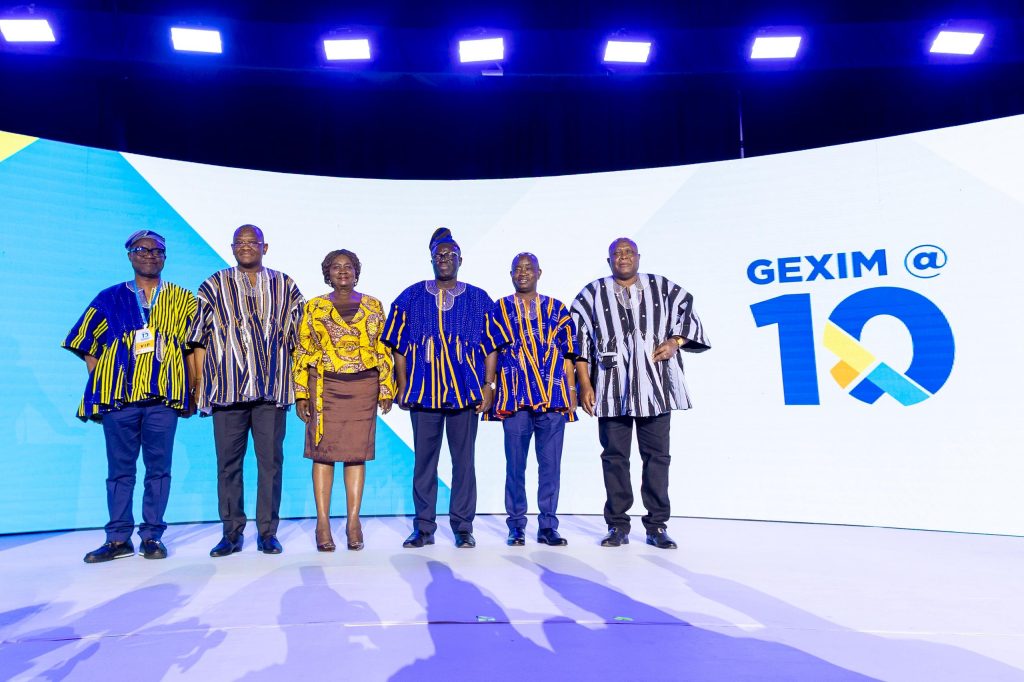
The conference brought together policymakers, development finance institutions, and private sector stakeholders to review Ghana’s economic direction and explore stronger partnerships to drive future growth.
Prof. Opoku-Agyemang credited the establishment of GEXIM in 2016 to the vision of President John Dramani Mahama, noting that the bank was created to help change Ghana’s long-standing economic structure.
According to her, the initiative was born out of the recognition that no country can achieve lasting prosperity while remaining dependent on exporting raw materials and importing finished products.
She explained that the bank was formed through the consolidation of key export financing and guarantee institutions into a single entity to support production, value addition, and export trade.
Over the past decade, GEXIM has become an important pillar in Ghana’s development finance system, providing support to businesses in agriculture, agro-processing, manufacturing, and services, while helping to expand non-traditional exports.
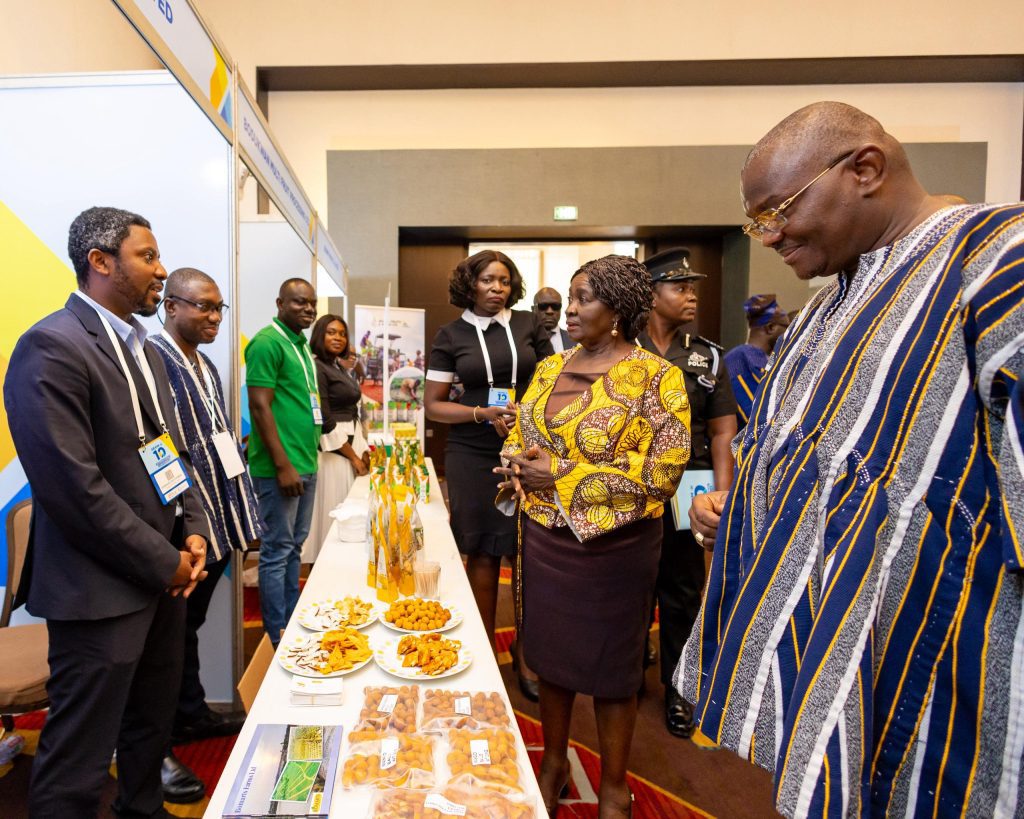
The Vice President said the bank has enabled many businesses to move beyond primary production into processing and manufacturing by providing patient capital, technical assistance, and risk-sharing support.
She noted that deliberate investment in export finance and industrial development gives local entrepreneurs the opportunity to grow competitive businesses.
Touching on the global economic environment, Prof. Opoku-Agyemang warned that rising trade tensions, supply chain disruptions, climate change, and rapid technological changes are reshaping international commerce.
She stressed that global uncertainty has become a permanent feature of the world economy, making export diversification and industrial capacity essential for national resilience.
The Vice President said dependence on a narrow range of exports is no longer sustainable, adding that diversification is now a necessity rather than a choice.
She also highlighted the opportunities presented by the African Continental Free Trade Area, describing it as a major platform for boosting intra-African trade and building regional value chains.
According to her, Ghana is well positioned to benefit from changing global supply chains due to its democratic stability, youthful population, natural resources, and expanding middle class, but cautioned that potential must be supported by clear strategy, sound policy, and strong institutions.
Looking ahead, the Vice President outlined key priorities for GEXIM’s next phase, including increased support for value addition and industrial production, greater focus on small and medium-sized enterprises, expansion of trade finance and credit guarantees, stronger partnerships with regional and international institutions, and the adoption of innovation and modernization.
She said the next phase of the bank’s work must be defined by deeper impact, wider reach, stronger partnerships, and greater innovation in supporting Ghana’s industrial and export-led growth.