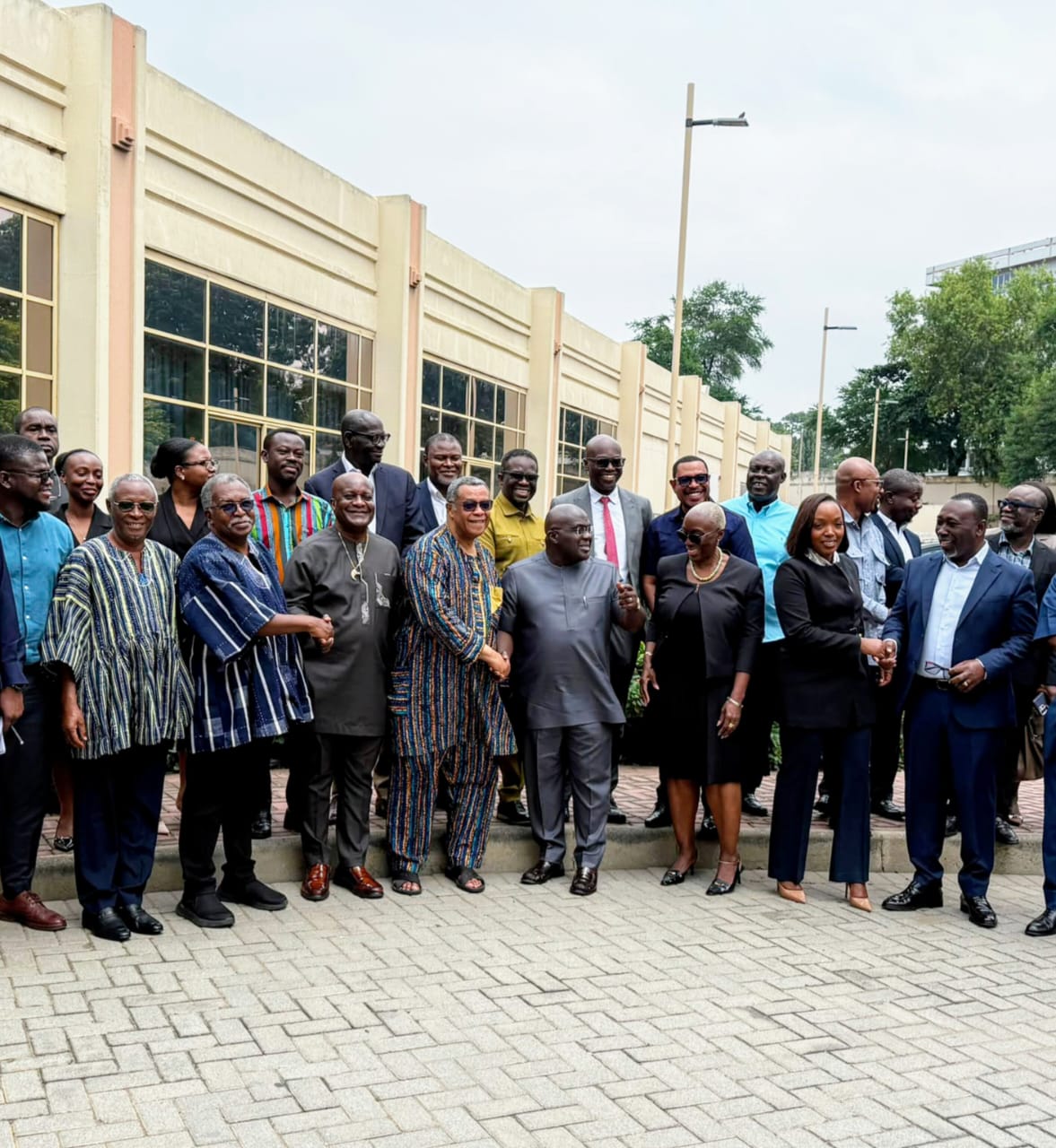
The Volta River Authority (VRA), the 24-Hour Economy and Accelerated Export Development Secretariat (24H+), and the Ghana Infrastructure Investment Fund (GIIF) have officially commenced negotiations on a Master Concession Agreement for the development of the Volta Economic Corridor, a flagship national project aimed at transforming Ghana into a value-added, export-driven economy.
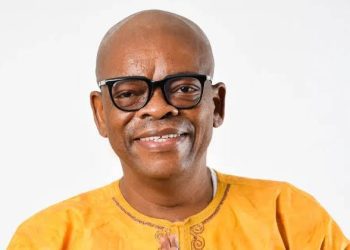
The high-level meeting, held in Accra on Tuesday, was convened under the authority of the Office of the President and attended by the Chief of Staff, Hon. Dr. Julius Debrah, as Special Guest of Honour. The discussions were chaired by Presidential Adviser on the 24H+ Programme, Mr. Augustus Goosie Tanoh.
The Volta Economic Corridor, approved by Cabinet in July 2025, has been designated as Ghana’s first net-zero economic corridor.
The initiative seeks to harness the economic potential of the Volta Lake and its surrounding basin to lower transportation costs, expand industrial production, strengthen agricultural value chains, create employment opportunities, and boost regional trade with neighbouring countries.
Officials emphasized that the proposed Master Concession Agreement will not alter the operational mandate of the VRA regarding hydroelectric power generation, including the management of the Akosombo Dam and lake water levels, which will remain exclusively under the Authority’s control.
The three institutions agreed to begin negotiations immediately with the objective of concluding the technical, legal, and financial discussions within three weeks.
The parties expect to sign the Master Concession Agreement by August 26, 2026, while detailed commercial terms will be finalized during the negotiation process.
Speaking at the meeting, Chief of Staff Hon. Dr. Julius Debrah described the project as central to President John Dramani Mahama’s long-term development agenda.
“The Volta Economic Corridor is a national priority and part of President Mahama’s vision to develop the Volta Lake and its basin. Approved by Cabinet and backed by the Presidency, it will realise the full economic value of the largest man-made lake in the world, and Government is committed to seeing it delivered,” he stated.
Chairman of the meeting and Presidential Adviser on the 24H+ Programme, Mr. Augustus Goosie Tanoh, said the initiative represents a strategic shift in Ghana’s economic model.
“We are building an integrated economy—one that produces what it consumes and exports more value than it imports. The Volta Lake is at the centre of this economy.
This meeting moves us from agreement in principle to structuring a bankable, transparent concession that protects the interests of the State while unlocking the private investment the corridor needs,” he said.
Chief Executive Officer of the VRA, Ing. Edward Ekow Obeng-Kenzo, reaffirmed the Authority’s commitment to safeguarding the nation’s hydropower infrastructure while supporting broader economic development.
“For sixty years the Volta Lake has powered Ghana, and its safety and its waters remain firmly the responsibility of VRA. We now welcome the opportunity to unlock its wider economic potential in partnership with 24H+ and GIIF, while our duty to the dam and the nation’s power supply stays unchanged,” he noted.
Chief Executive Officer of GIIF, Mr. Nana Dwemoh Benneh, said the Fund would spearhead efforts to mobilize investment for the ambitious project.
“GIIF is the lead investment vehicle for the Volta Economic Corridor. Our task is to bring the capital together to develop the potential of the Volta Lake, with financing that does not rest on the Government’s balance sheet, working closely with VRA and the 24H+ Secretariat,” he explained.
The three institutions also extended an invitation to private-sector investors, financiers, and development partners to align their investment strategies with the Volta Economic Corridor, underscoring the project’s potential to catalyse industrialisation, create sustainable jobs, strengthen Ghana’s export competitiveness, and position the country as a regional manufacturing and logistics hub.
Story: Patrick Asford Boadu