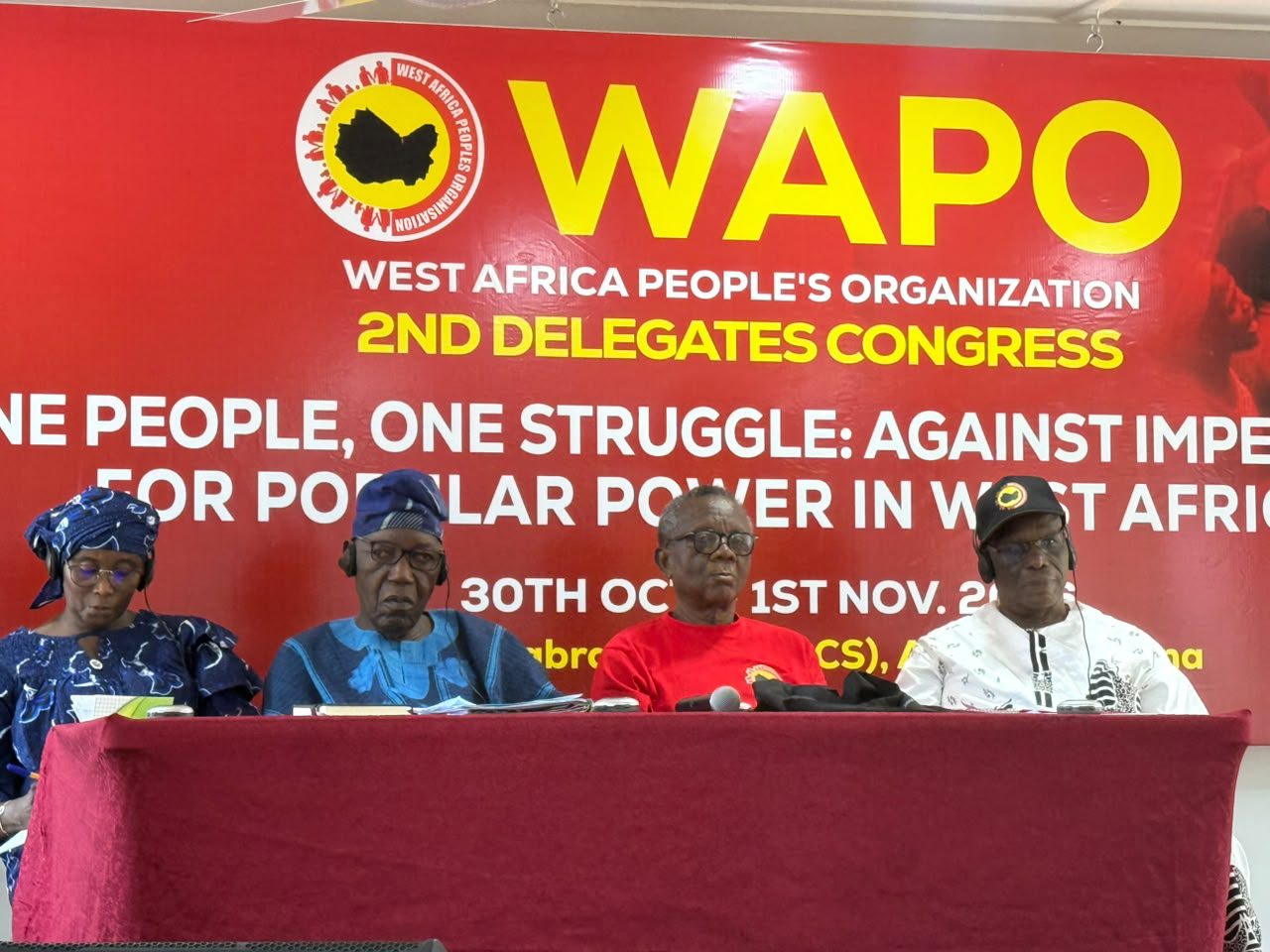
The West Africa Peoples’ Organisation (WAPO) has called for stronger Pan-African unity and collective action against imperialism, neo-colonialism and foreign domination, as it seeks to deepen its presence across the West African sub-region.
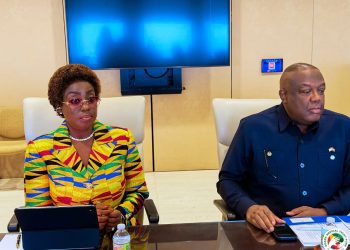
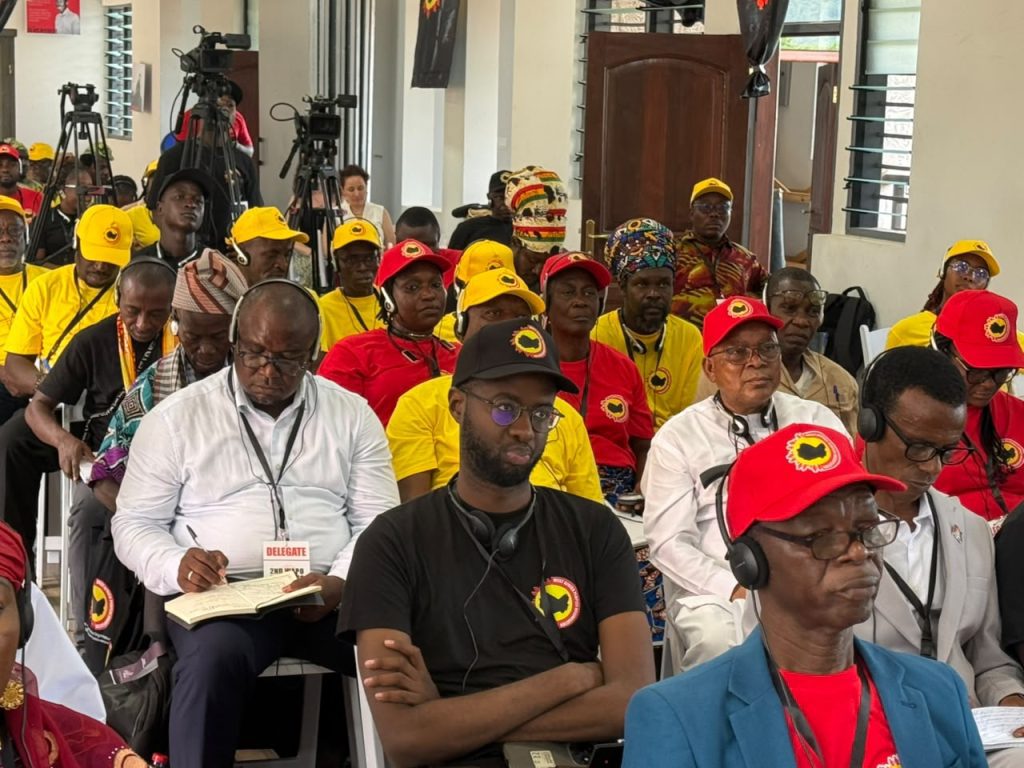
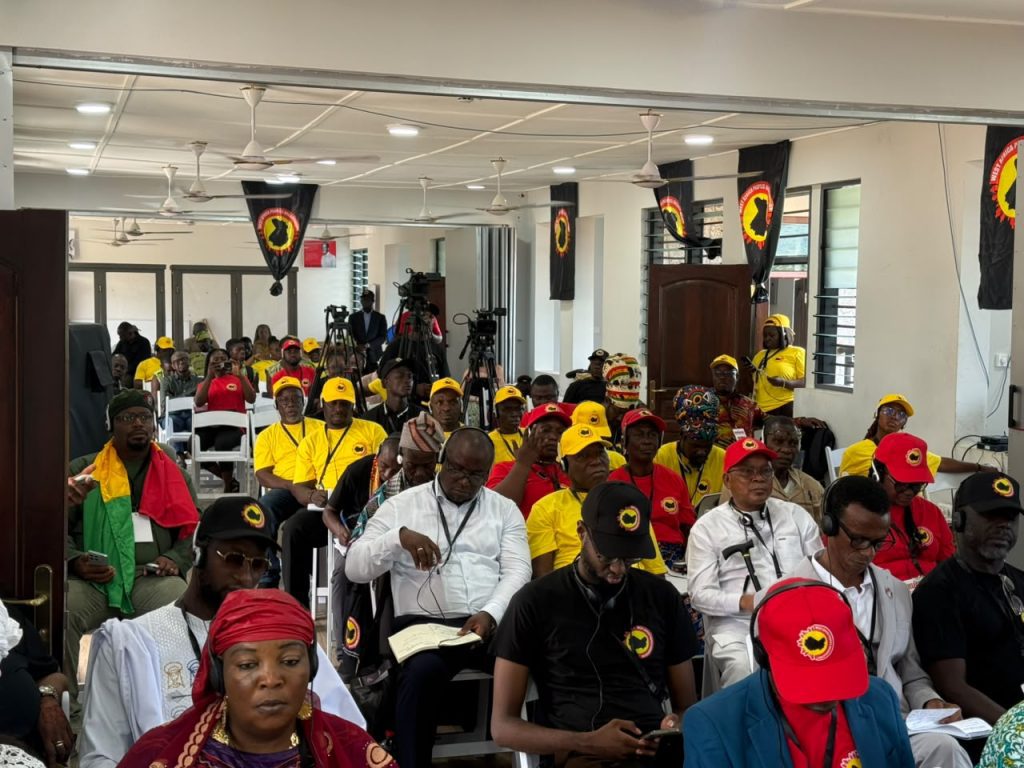
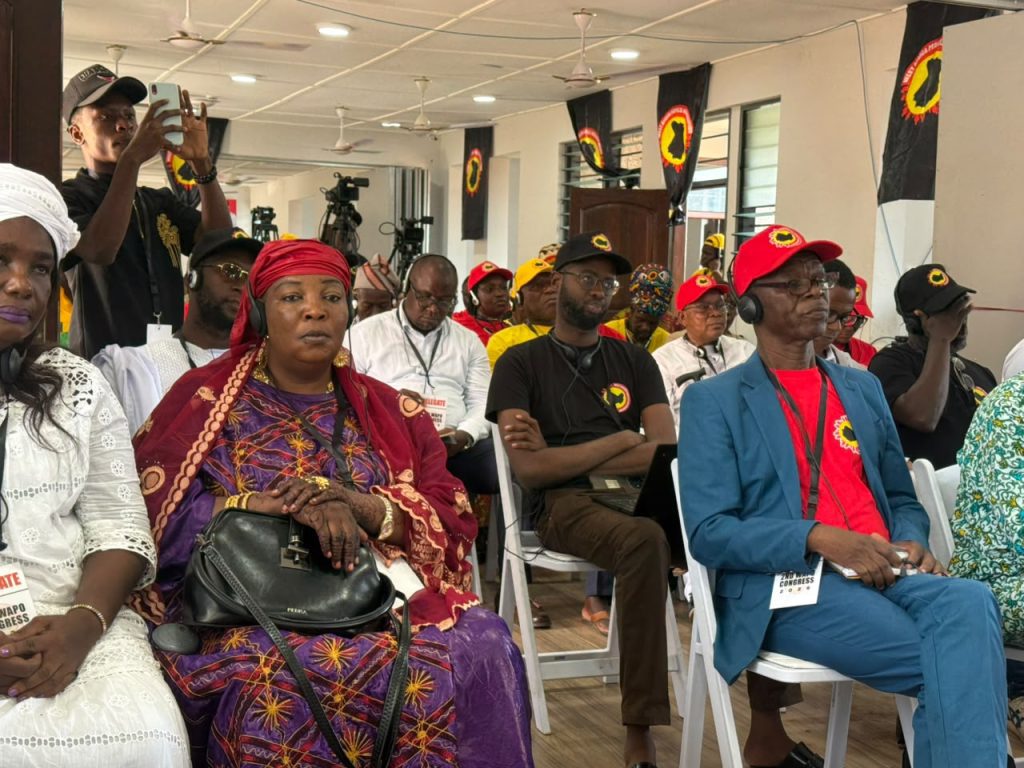
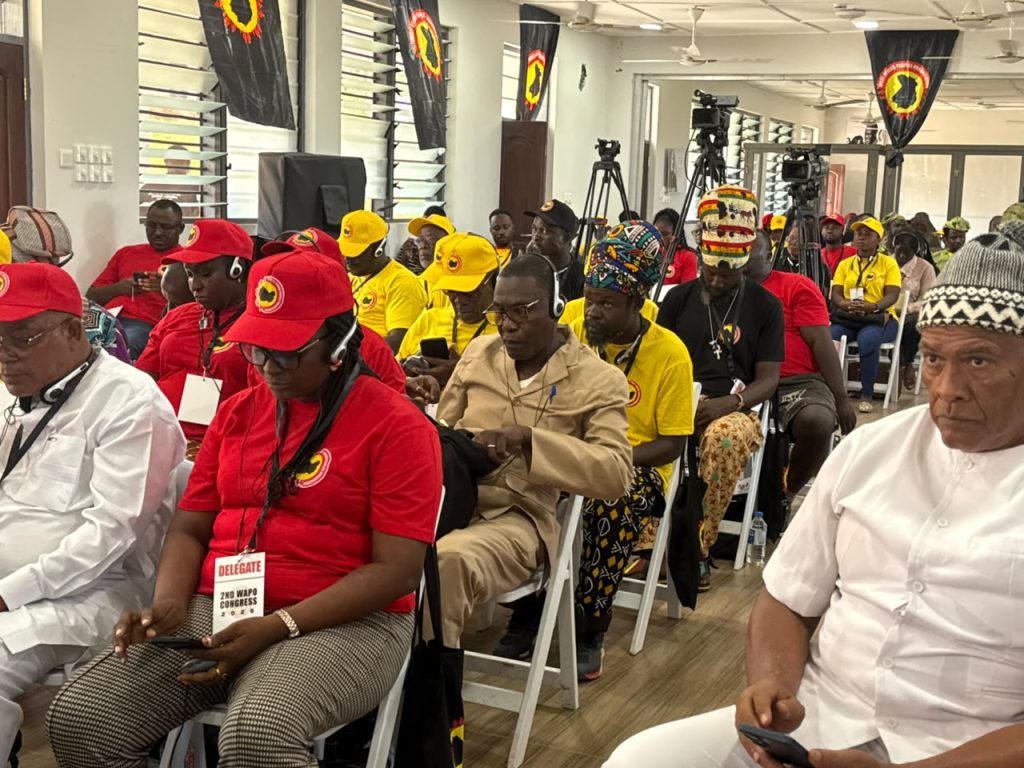
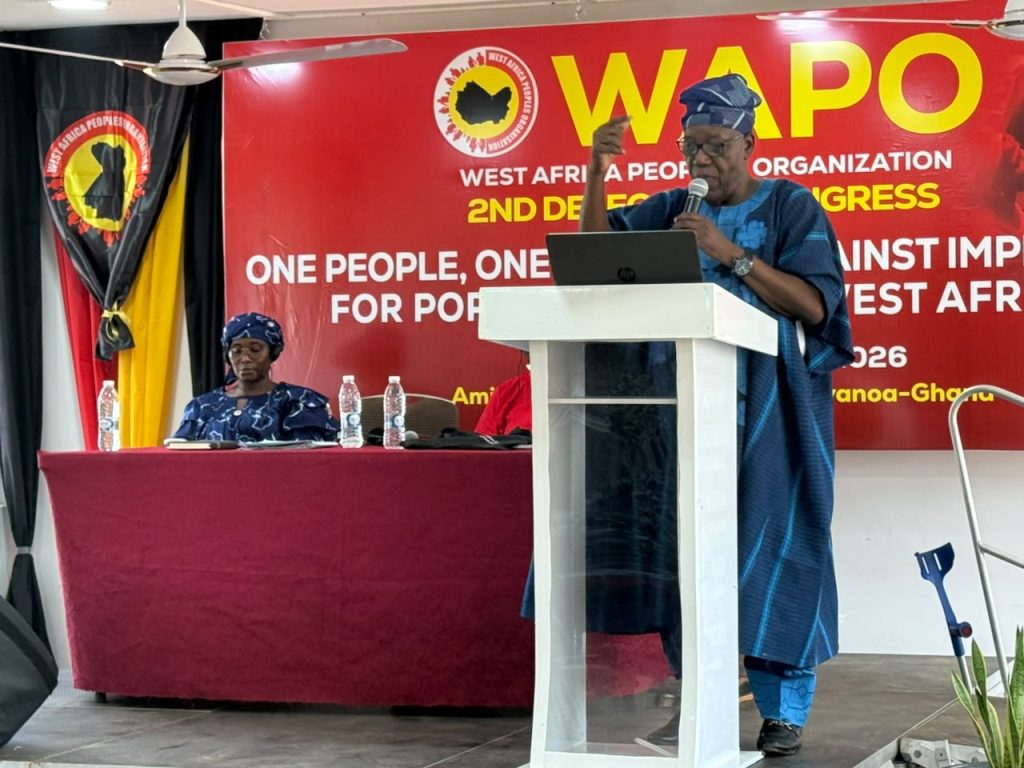
The call was made at the organisation’s Second Congress held in Aburi on 31st October 2026, which brought together representatives of political movements, workers’ organisations, youth groups, women’s movements and other progressive organisations from across West Africa and beyond.
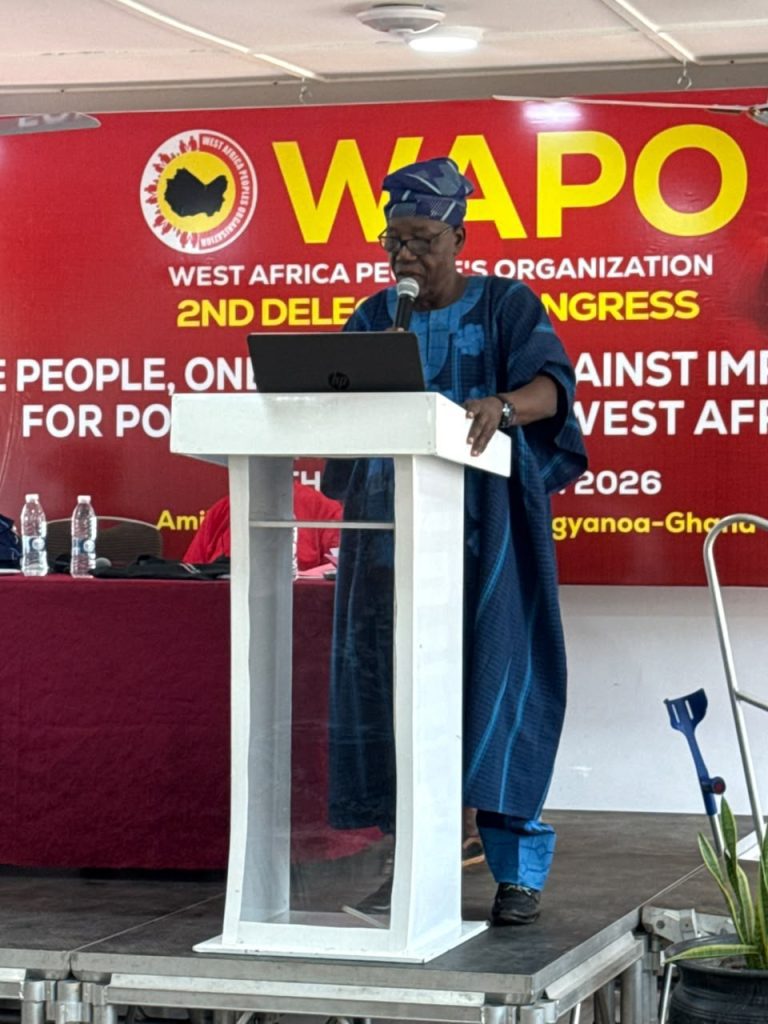
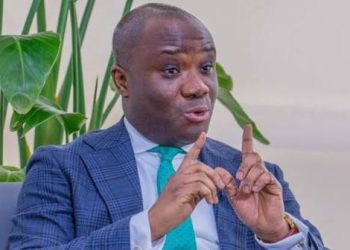
Chairman of WAPO’s Coordinating Council, Professor Philippe Toyo Noudjenoumè, said the organisation remained committed to advancing African sovereignty, economic independence and the emancipation of the continent’s people.
He identified developments in Mali, Burkina Faso and Niger, which have formed the Alliance of Sahel States (AES), as significant developments in the struggle for African self-determination.
According to him, the three countries have taken steps to strengthen their control over natural resources, develop local industries, deepen regional cooperation and reduce dependence on former colonial powers.
Professor Noudjenoumè maintained that Africa’s political and economic liberation must be accompanied by cultural transformation, arguing that the continent must reclaim its identity and develop solutions to its own challenges.
He further called on progressive organisations across West Africa to support movements seeking greater sovereignty and resist what he described as continued imperialist interference in the affairs of African countries.
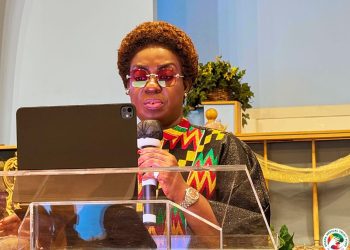
Presenting the Coordinating Council’s report for the 2022–2026 period, WAPO Secretary-General, Kafui Kan-Senaya, disclosed that the organisation had expanded its membership from 23 organisations at its founding to 31, representing 11 West African countries.
He said the growth reflected increasing interest in WAPO’s Pan-Africanist agenda, particularly among organisations in the Sahel region.
The report also indicated that 356 cadres, comprising 201 men and 155 women, had received political education and training through the Amílcar Cabral School during the four-year period.
The school serves as WAPO’s principal platform for political education, leadership development and the promotion of Pan-African ideas.
Mr Kan-Senaya highlighted the organisation’s collaboration with the International Peoples’ Assembly (IPA), particularly in organising an anti-imperialist conference in Niamey, Niger, in November 2025, to strengthen solidarity with the peoples of the Sahel.
He also cited WAPO’s engagement with organised labour across the region, including trade union organisations in Ghana, Nigeria, Liberia, Benin and Côte d’Ivoire.
Despite the progress made, the Secretary-General acknowledged that inadequate financial resources had affected some of the organisation’s activities, including regional visits, the regular publication of its official journal, The Spark, and efforts to strengthen communication among member organisations.
He said the next four years would focus on expanding the organisation’s structures, strengthening its workers’, women’s and youth wings, improving its media presence and intensifying political education.
WAPO also intends to deepen its engagement with trade unions, strengthen solidarity with progressive movements facing repression and promote broader alliances among organisations pursuing African liberation and development.
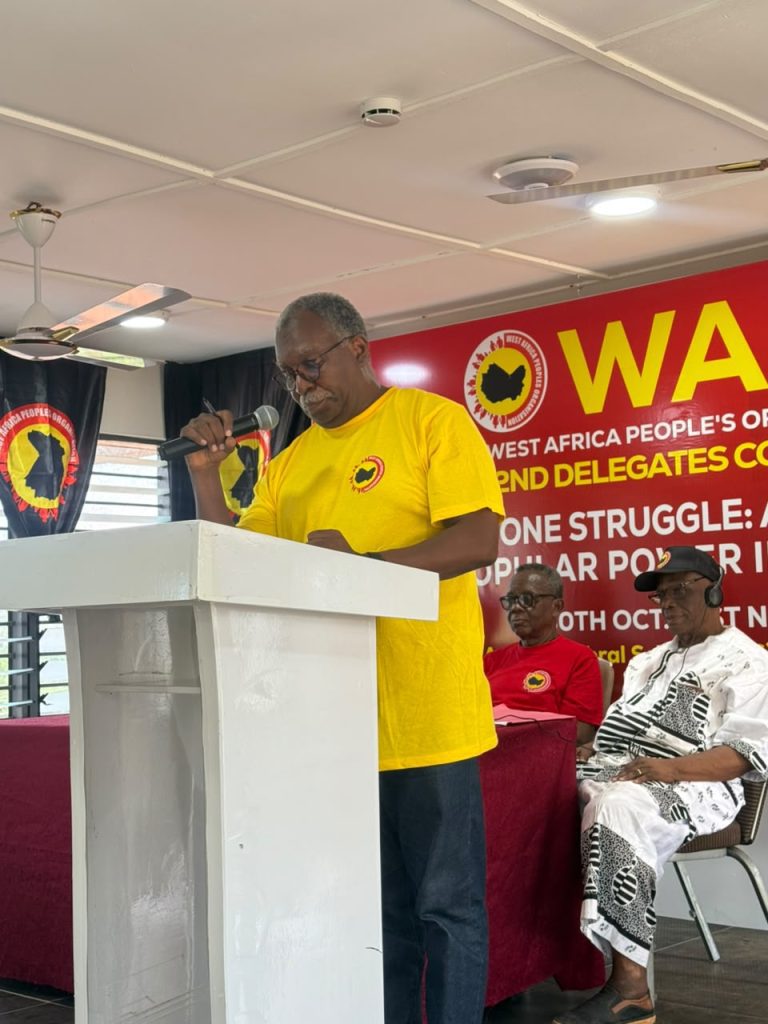
In separate remarks, Governor of the Socialist Movement of Ghana, Kyeretwie Opoku, said West Africa had witnessed significant developments in the struggle against foreign military presence, particularly in the Sahel.
He attributed the withdrawal of French and American military forces from parts of the region to sustained resistance and protests by local populations demanding greater control over their countries’ security and political affairs.
Mr Opoku also described the formation of the Alliance of Sahel States by Burkina Faso, Mali and Niger as an important development in the pursuit of regional sovereignty and cooperation.
He urged participants to regard the Pan-African struggle as a collective responsibility requiring stronger organisation and cooperation across national boundaries.
WAPO was established in Winneba, Ghana, in December 2022, with the objective of bringing together political parties, movements, workers, women and youth organisations to advance Pan-Africanism and promote the interests of working people across West Africa.
The Second Congress is expected to provide a renewed political and organisational direction for the group as it begins another four-year mandate.
Story by Osman Issah Abadoo