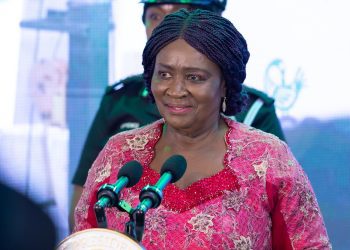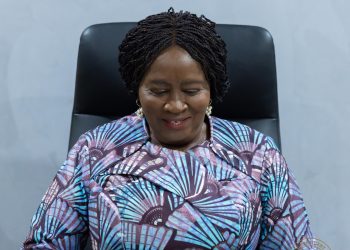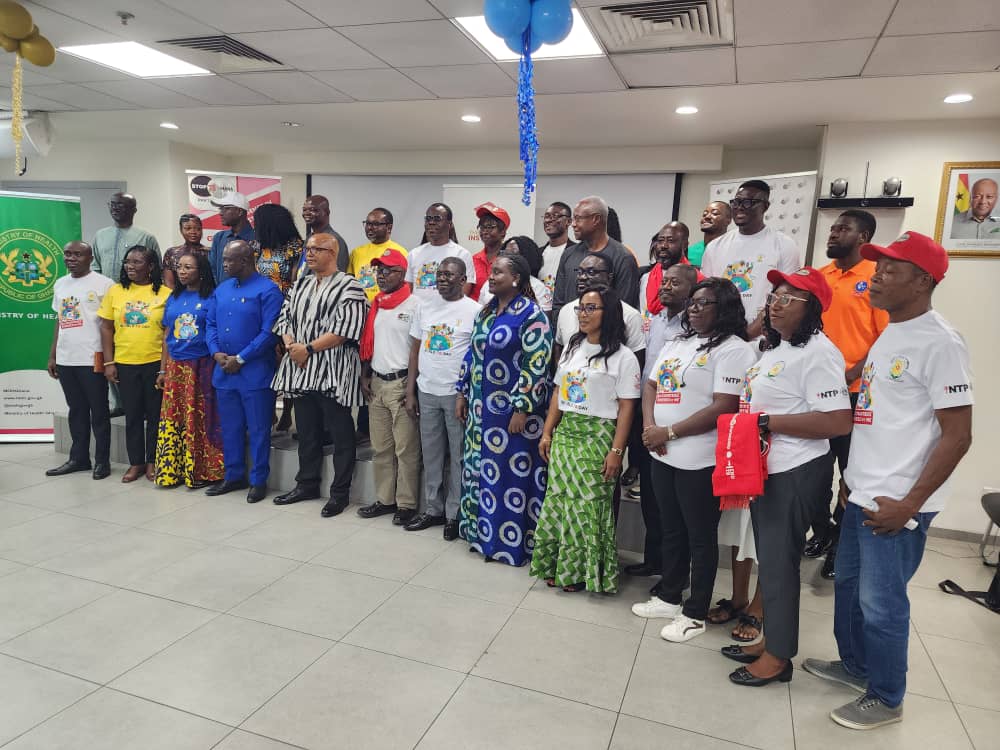
In a call to action at the 2026 World TB Day observance, Deputy Minister for Health, Grace Ayensu-Danquah, reaffirmed the government’s commitment to eradicating tuberculosis as a public health threat. Speaking under the global theme, “Yes, We Can End TB, Led by Communities and Powered by the People,” she emphasized that while government leadership and resources are vital, the battle will ultimately be won through the active involvement of our people and local institutions.
The Deputy Minister highlighted a reality which reveals that TB remains one of the world’s deadliest infectious diseases despite being both preventable and curable. In Ghana, World Health Organization estimates suggest that approximately 44,000 people develop TB annually.
However, she noted with concern that fewer than half, around 20,000 are currently detected and placed on treatment each year. This gap means far too many people remain undiagnosed, potentially transmitting the disease unknowingly within their homes and communities.
To address this, Ayensu-Danquah announced that under the leadership of President John Dramani Mahama, the government has translated its commitments into tangible results with a significant 30 million Ghana Cedi investment. This funding, which is nearly ten times previous allocations, has been used to procure 10 new AI-enabled digital X-ray systems and 15 new GeneXpert machines.
Additionally, contracts have been awarded for a steady supply of GeneXpert cartridges and laboratory test kits, all aimed at retooling the health system at a time when global health financing is becoming increasingly uncertain.
A centerpiece of the Deputy Minister’s address was the integration of the TB response into the government’s broader health reform agenda, specifically the Free Primary Healthcare program. She argued that by removing financial barriers and bringing essential services closer to the people, the state can ensure earlier detection and faster referrals.
According to her, this approach allows diagnosis and treatment to begin before complications arise or the disease spreads further, making free primary healthcare a strategic public health tool rather than just a social intervention.
Closing her address, Grace Ayensu-Danquah lauded the contributions of international partners, specifically acknowledging the WHO, the Global Fund, and the Ghana-Netherlands Bilateral Initiative. She cited the ORIO project, which installed 50 digital X-ray systems across the country, as a blueprint for successful international cooperation.
She concluded with an urgent call for the private sector, traditional leaders, and TB survivors to join the frontlines, asserting that with sustained investment and empowered communities, Ghana can finally end the suffering caused by this preventable disease.
Story by Eugenia Ewoenam Osei