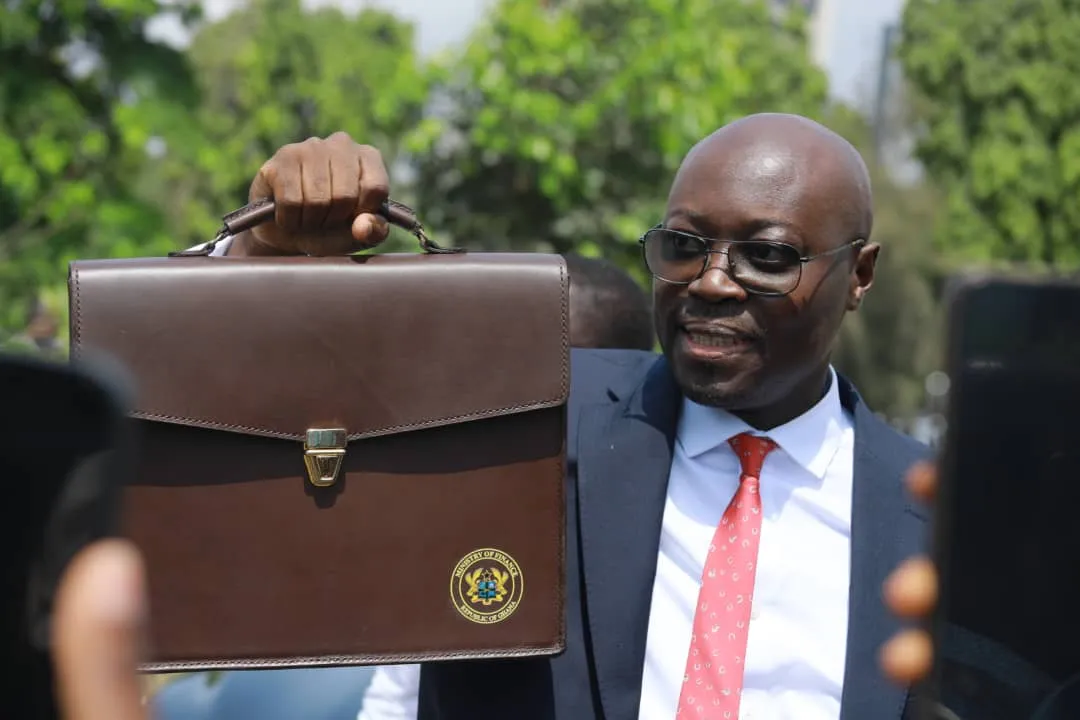
As the government prepares to present the 2026 Mid-Year Budget Review to Parliament, many Ghanaians will be looking beyond economic statistics and expecting practical measures that improve their daily lives. While recent macroeconomic indicators have shown signs of stability, the public’s main concern remains whether those gains are translating into lower living costs, more jobs, and improved public services.
Here are some of the key expectations:
1. Lower Cost of Living Many households expect policies that will reduce the prices of food, transportation, utilities, and other essential goods. Although inflation has eased, many consumers say prices remain high.
2. Job Creation Young people, in particular, are looking for concrete interventions to create employment opportunities through support for industries, agriculture, entrepreneurship, and digital innovation.
3. Stable Cedi and Lower Inflation Businesses and consumers alike expect the government to maintain exchange rate stability and keep inflation on a downward path to preserve purchasing power.
4. Tax Relief and Business Support The private sector is hoping for tax reforms, easier access to credit, and measures that reduce the cost of doing business to encourage investment and expansion.
5. Infrastructure Development Communities expect updates on major road projects, schools, hospitals, water systems, and energy infrastructure, particularly in underserved areas.
6. Energy Sector Reforms With concerns over electricity supply and rising energy costs, Ghanaians will be looking for assurances on reliable power, debt reduction in the energy sector, and investments in renewable energy.
7. Increased Support for Health and Education Many expect greater funding for healthcare delivery, the Ghana Medical Trust Fund, schools, teacher recruitment, and educational infrastructure.
8. Agriculture and Food Security Farmers are looking for expanded support through subsidized inputs, irrigation, mechanization, and improved access to markets to boost food production and reduce food prices.
9. Transparency on Fiscal Performance Parliament and the public will expect a clear account of revenue collection, expenditure, public debt, and progress made in implementing promises contained in the 2026 Budget.
10. IMF Programme and Economic Outlook Investors and development partners will closely watch the government’s assessment of economic performance, fiscal discipline, debt sustainability, and growth prospects for the remainder of the year.
Overall, Ghanaians are likely to judge the Mid-Year Budget Review not only by the economic figures presented but by whether it outlines practical measures that ease financial pressures, create jobs, support businesses, and sustain the country’s economic recovery.
Story By: Eric Boateng