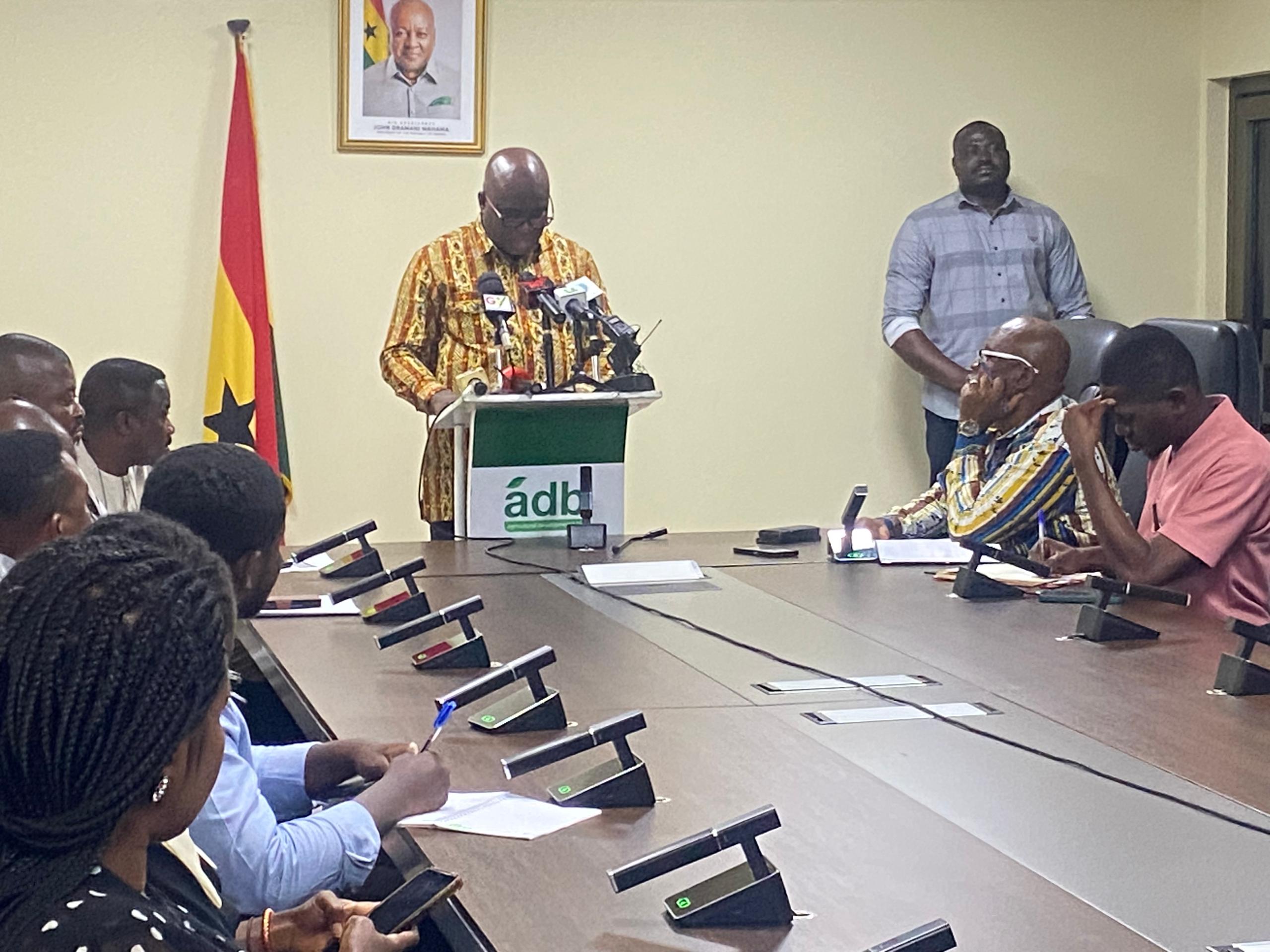
The Minister responsible for Food and Agriculture, Eric Opoku has delivered a compelling address, urging Ghanaian farmers nationwide to form cooperatives under the government’s ambitious Feed Ghana Flagship Programme.
Speaking at a press briefing in Accra, the Minister underscored the critical role of collective action in achieving food self-sufficiency, boosting agribusiness, and realizing the President’s vision of a vibrant 24-Hour Economy. He emphasized that organizing farmers into cooperatives is not just a procedural step but a fundamental strategy for impactful government intervention.
He outlined the compelling reasons behind this push for cooperatives saying it is not merely about administrative convenience but also about empowering farmers, particularly the smallholder and vulnerable groups, by giving them the strength of numbers.
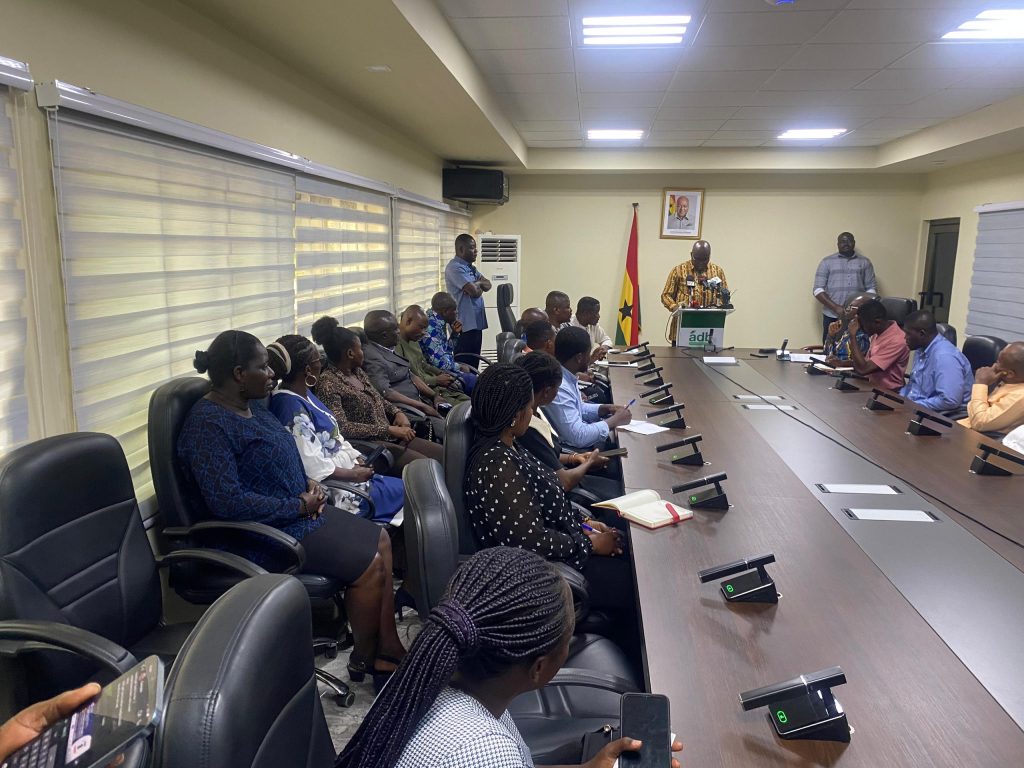
He stressed on some benefits such as enhanced bargaining power when farmers collectively approach the market, or the streamlined access to vital resources like the Farmer Service Centres, the Feed Ghana Programme, which he says appears to be thoughtfully designed to channel support directly to these organised groups and a promise of prioritised access to mechanisation, inputs and financial services especially under the Poultry Industry Revitalisation Project with the introduction of Kuroiler breeds. He further laid emphasis on training, market linkages with major institutions, and a voice in policy advocacy.
“Cooperatives are proven instruments of empowerment. They enable farmers especially smallholder and vulnerable groups to enjoy the benefits of scale, collective bargaining, and structured engagement with both government and private sector players. Forming cooperatives is not just an administrative requirement; it is a strategic pathway to transformation.” He stated.
“In our continued engagement with stakeholders and farmers, it has become evident that for government interventions to be impactful, farmers must be organised into groups that facilitate coordination, access to support, and sustainability.”
Beyond the immediate benefits of the Feed Ghana Programme, the Minister also highlighted the intrinsic advantages of Cooperatives thus fostering knowledge exchange, enabling cost-effective input procurement, reducing post-harvest losses through collective marketing, providing a crucial social safety net, and enhancing the ability to attract external support. These he believes are vital ingredients for building a resilient and prosperous agricultural sector.
The Minister made a direct and inclusive call to action, urging all farmers, especially those who are often marginalised, to seize this opportunity. He says the commitment from the Ministry to provide assistance with registration, governance training, and linkages through the district agricultural offices is a welcome step with planned sensitisation campaigns across all regions, engaging traditional authorities and MMDAs, to ensure a widespread participation and success.
“I am therefore calling on all farmers, especially smallholder farmers, women, youth, and persons with disabilities, to take this opportunity seriously. Organise yourselves into farmer-based organisations and Cooperatives in line with your crops, livestock or value chain activities. He affirmed. ” In the coming weeks, the Ministry will roll out sensitisation campaigns in all regions, engage traditional authorities and work closely with Metropolitan, Municipal and District Assemblies to ensure the smooth formation and et of farmer cooperatives across the country.
The Agric Minister expressed optimism in the initiative, revealing that by fostering collaboration and providing targeted support, the government aims to move beyond individual efforts towards a more organised, efficient, and ultimately, self-sufficient agricultural future.
Story By: Eugenia Ewoenam Osei