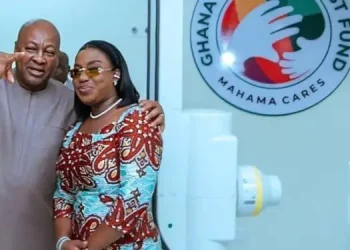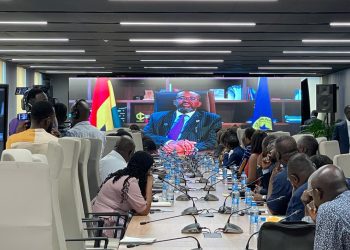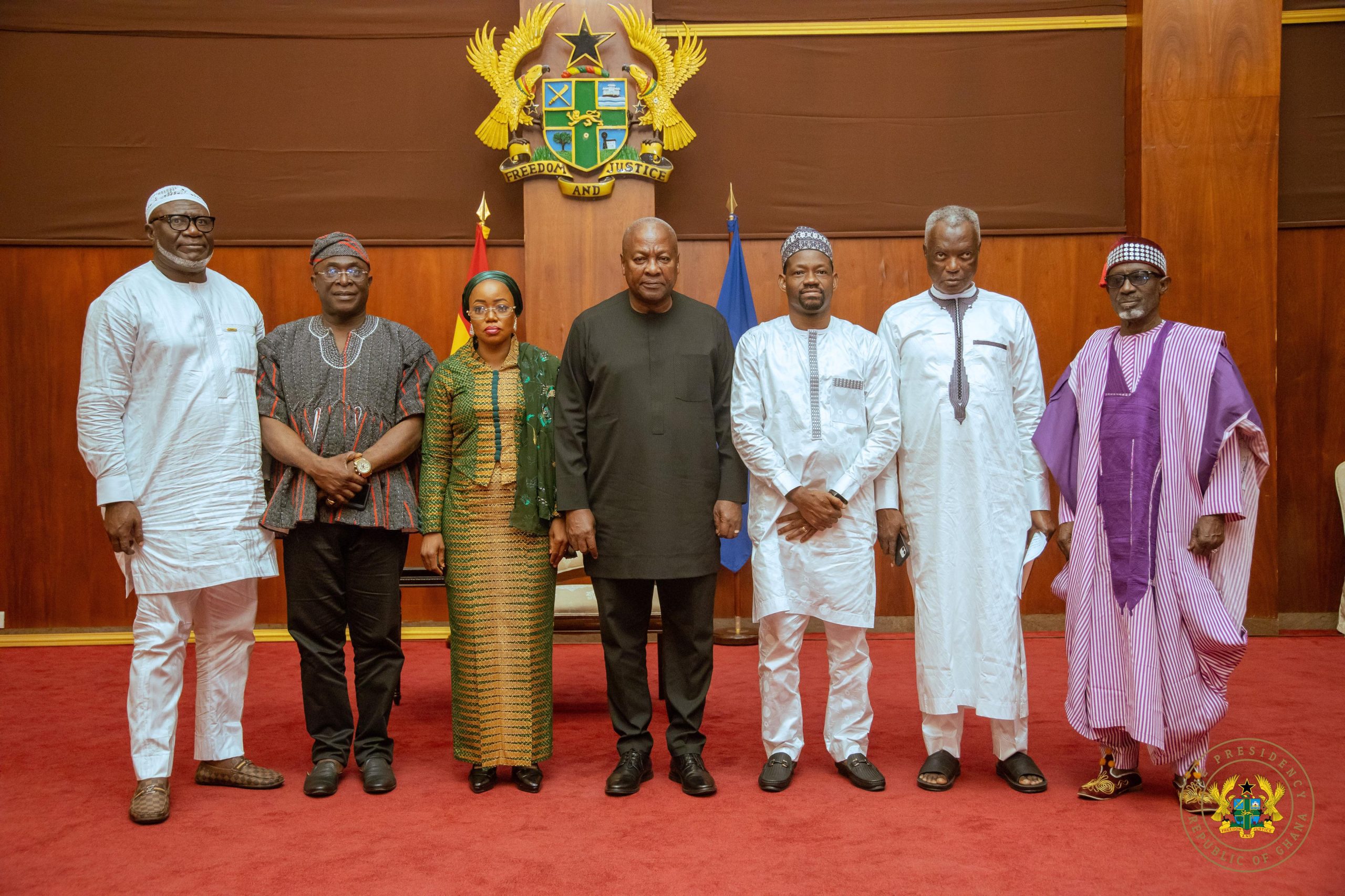
President John Dramani Mahama has urged the newly constituted Hajj Board to uphold the highest standards of professionalism, integrity, and service as they oversee Ghana’s annual pilgrimage to Makkah.
Speaking at the inauguration ceremony, President John Dramani Mahama said the Board carries “a clear mandate to plan, manage, and execute all matters relating to the annual Hajj in a manner that reflects Ghana’s highest standards.”
He outlined five critical areas the Board must focus on to ensure a seamless, transparent, and dignified pilgrimage for all Ghanaian Muslims.
- Early and Predictable Planning
The President emphasized the need for timely preparations.
“Begin preparations immediately for the next Hajj. Announce schedules, registration processes, and cost structures promptly so pilgrims and agents can plan effectively. Last-minute changes must become a thing of the past,” he said.
- Transparency and Accountability
He stressed that pilgrims must know how their money is used and insisted on strict financial discipline.
“All payments must pass through approved, traceable channels. No unofficial levies. No hidden charges. Transparency builds trust, and trust is a currency of leadership.”
- Safety, Health, and Welfare
The President directed the Board to work closely with the Ghana Health Service, Ministry of Transport, and the Embassy in Riyadh to safeguard pilgrims.
He urged special attention to vulnerable groups—elderly pilgrims, women, and persons with disabilities—describing their comfort as “a sacred duty of the Hajj Board.”
- Courtesy and Professional Conduct
President Mahama called for discipline and respect from all officials involved in Hajj operations.
“Our pilgrims should feel respected at every point, from registration to their safe return home.”
- Partnership and Communication
He encouraged constant dialogue with the Office of the National Chief Imam, regional imams, travel partners, and Saudi authorities.
“Coordination prevents crisis, and communication prevents rumours,” he noted.
Digital Transformation of Hajj Operations
President Mahama announced a full digitization of Hajj payments and processes.
“From this year, all authorized payments must be receipted electronically and verifiably,” he said, warning that anyone involved in extortion or illegal fees would be sanctioned.
He encouraged the adoption of digital tools such as e-registration, SMS notifications, and a dedicated Hajj mobile app.
Hajj Belongs to the Entire Muslim Community
The President reminded the Board that the pilgrimage is a national spiritual journey, not a preserve of any group.
“From the Zongos of Accra to Tamale, from Gwa to Borga, from Koforidua to Takoradi, the Hajj belongs to the whole of Ghana,” he said, calling for fair and balanced regional representation.
A Call for Empathy and Kindness
Beyond logistics, President Mahama urged the Board to remember the personal spiritual aspirations of each pilgrim.
“A kind word at the airport, a helping hand to an older woman in Mina, these gestures define the spiritual journey. Let your work be guided by empathy.”
Promoting Peace and Religious Harmony
The President praised Ghana’s interfaith coexistence and said the Hajj should reinforce national unity.
“Ghana’s peace is our most precious gift,” he said, calling for continued respect among all faith communities.
Uphold the Trust
He reminded Board members of their responsibility, quoting Surah An-Nisa (4:58):
“Whoever is entrusted with a trust must faithfully discharge that trust.”
President Mahama encouraged the Board to serve with humility and diligence.
“You will not only deliver a successful Hajj season; you will uplift the image of our nation and strengthen the bond between faith and governance.”
Story: Patrick Asford Boadu