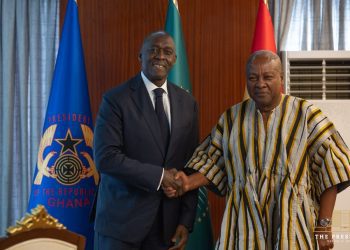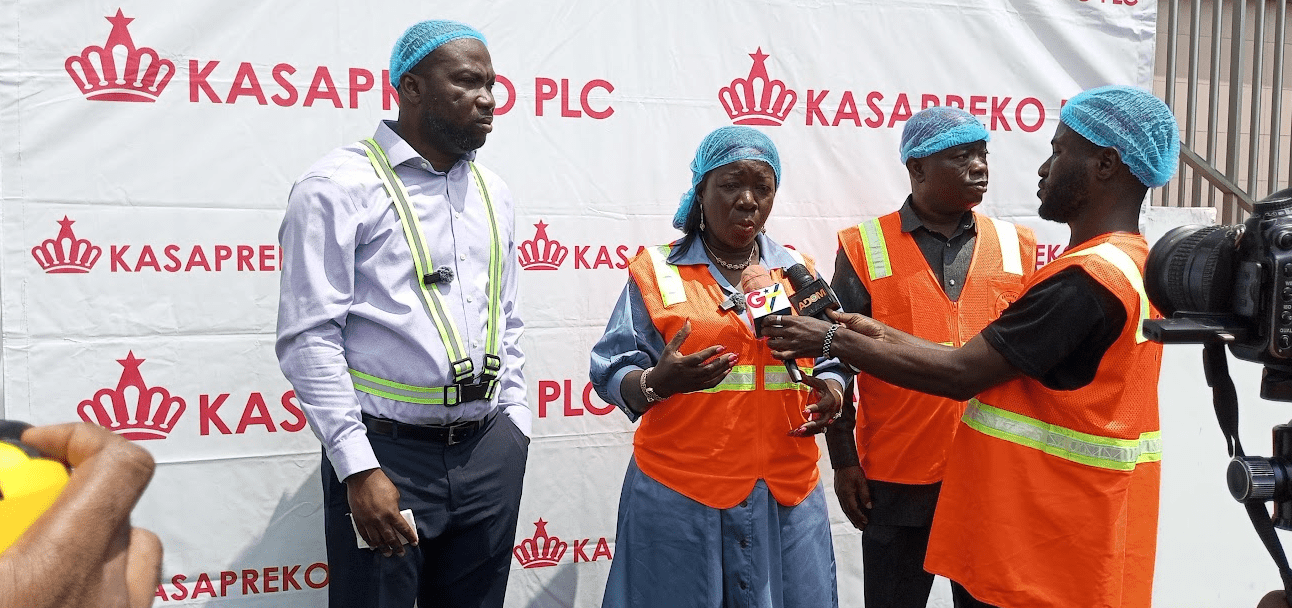
Trade, Agribusiness and Industry Minister Elizabeth Ofosu-Adjare has taken her engagement with local manufacturers directly to the factory floor, visiting Kasapreko PLC and Guinness Ghana Breweries PLC to assess operations and discuss how government support can improve industrial performance.
The visits, which formed part of the Ministry’s ongoing industry engagement drive, focused on understanding operational challenges faced by manufacturers and identifying areas where government support can enhance productivity, competitiveness, and export growth.
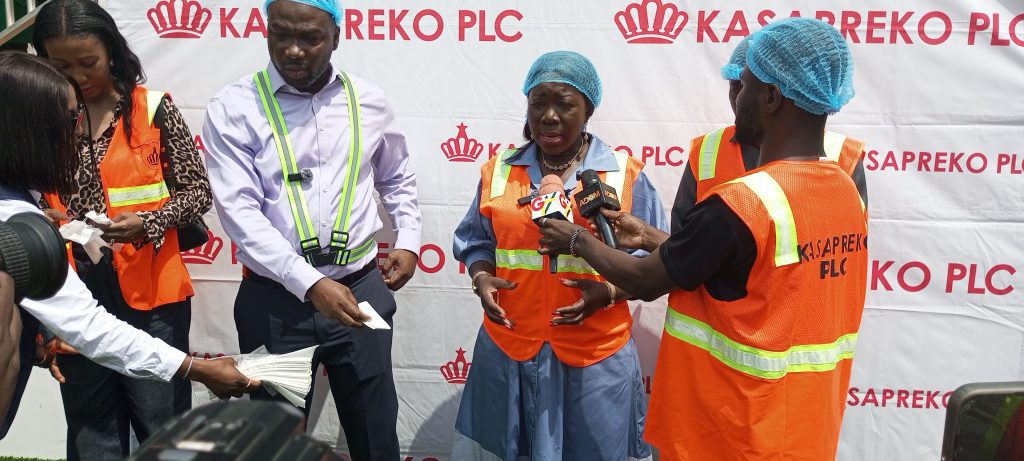
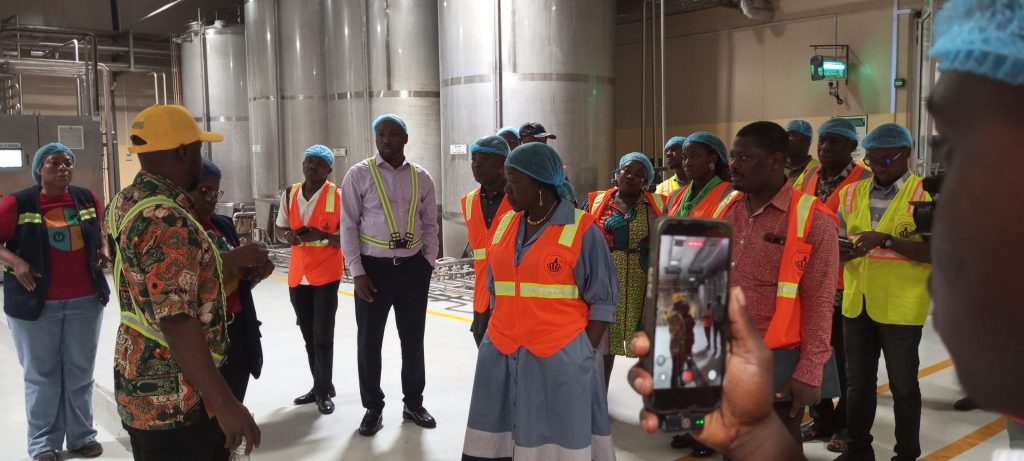
Kasapreko PLC was the Minister’s first point of call. After touring the production lines and interacting with management and staff, Hon. Ofosu-Adjare said she was encouraged by what she observed, describing the company as a strong example of what Ghanaian industry can achieve when the right conditions exist.
She explained that her assessment of factories goes beyond output figures, beginning with how workers are treated, workplace standards, cleanliness, and the efficiency of production processes.
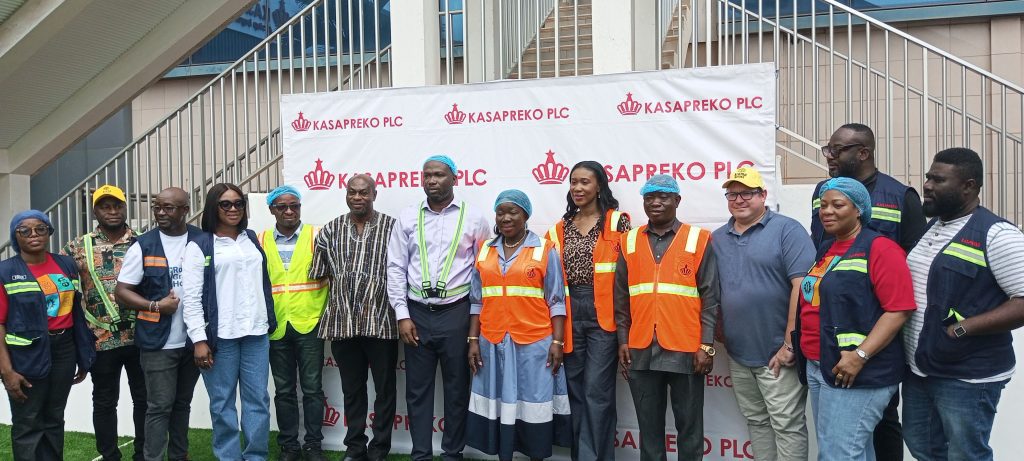
“Once I see that staff are happy, standards are high, and production is moving efficiently, then I know the industry is on the right path,” she said, adding that Kasapreko appeared to be “ticking all the boxes.”
The Minister noted that the company’s performance in 2025, which management described as its first year of strong recovery, highlighted the impact of improving macroeconomic conditions on local industry.
She pointed in particular to policy interventions that have helped exporters remain competitive, including the extension of the export proceeds repatriation period to 120 days after consultations between the Ministry of Trade and the Bank of Ghana.
“These are the kinds of things industry wants to hear, policies that remove pressure and allow them to plan and grow,” she said.
However, the Minister identified water availability as a major constraint affecting Kasapreko’s operations, revealing that shortages have prevented some production lines from operating at full capacity. She pledged to work closely with the Ghana Water Company Limited to ensure a reliable and adequate supply to support continuous production.
“It will surprise you to know that not all plants are running because of water shortages. Kasapreko is ready to operate around the clock, and we must support them to do that,” she said.
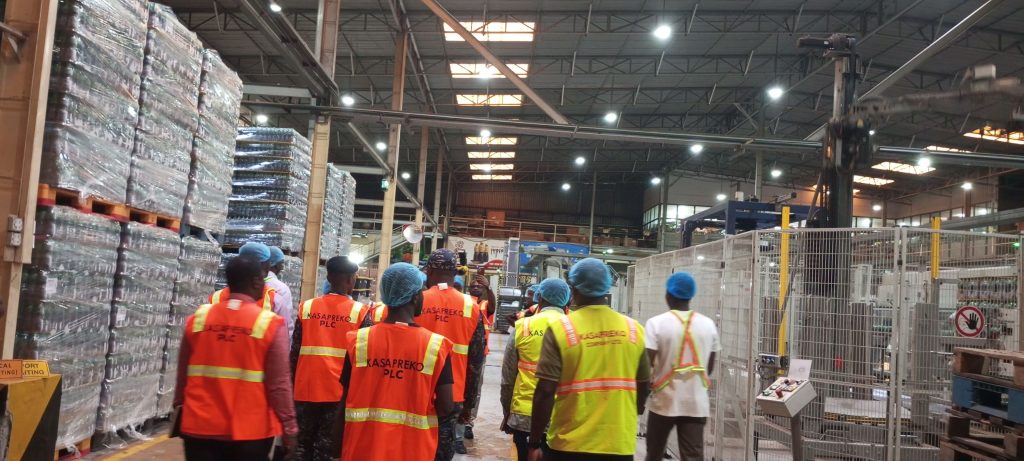
She described the company’s readiness for 24-hour production, commitment to Made-in-Ghana products, and export orientation as aligning fully with government’s industrialisation agenda, assuring management of the government’s willingness to support expansion efforts under the leadership of President John Dramani Mahama.
At Guinness Ghana Breweries PLC, the Minister said the visit was part of government’s broader responsibility to create an enabling environment for industry to thrive through direct engagement, problem-solving, and policy coordination.
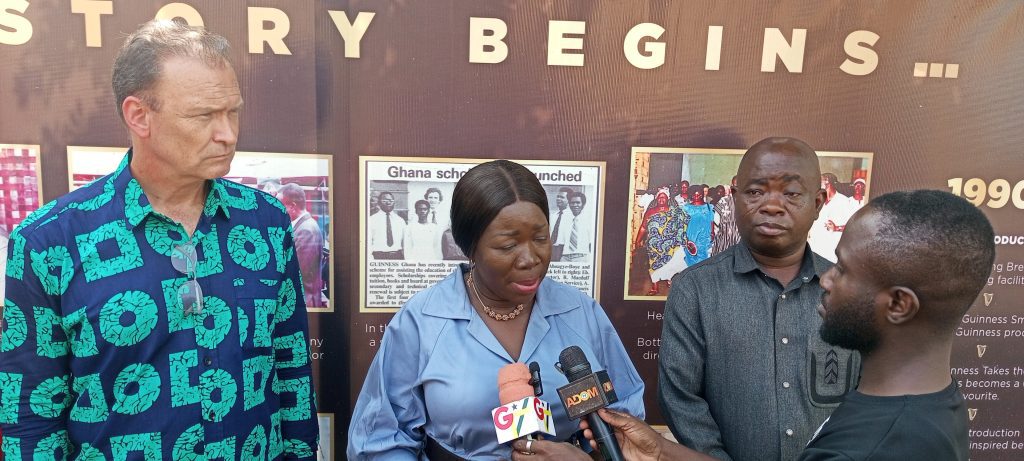
“One of the things we do is to visit factories, see first-hand what they are doing, commend them where necessary, and listen to the challenges they face,” she said.
She explained that many industry challenges can be addressed when government agencies and ministries work together, citing again the extension of the export repatriation window as an example of how dialogue with industry leads to practical solutions.
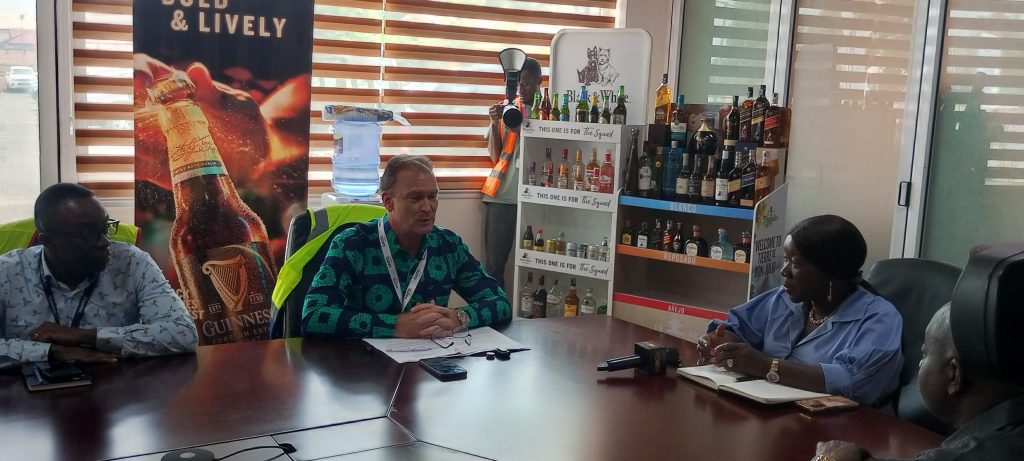
Like Kasapreko, Guinness also raised concerns about water availability, a recurring issue across manufacturing sites. The Minister said government would collaborate with the Ministry of Water Resources and the Ghana Water Company to ensure industries receive sufficient supply to operate efficiently.
She further assured the company that concerns involving regulatory agencies would be addressed through inter-agency engagement to eliminate bottlenecks that slow down production and expansion.
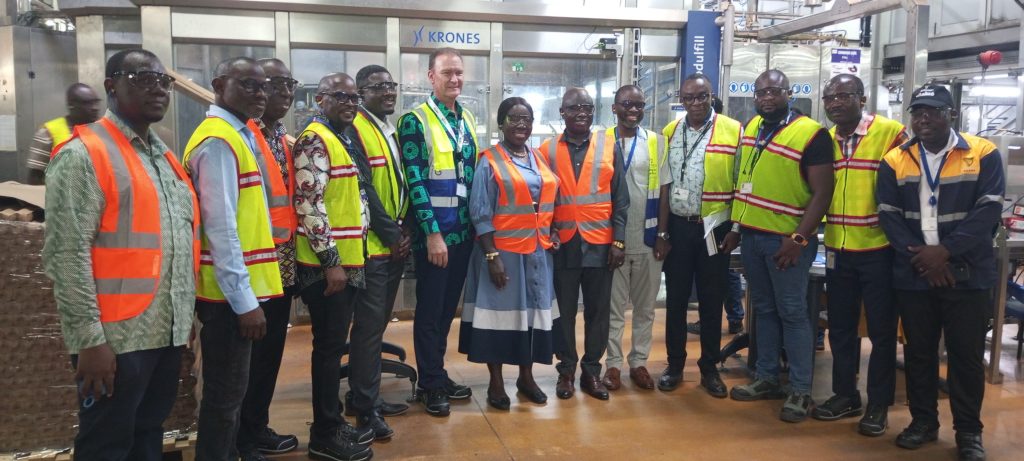
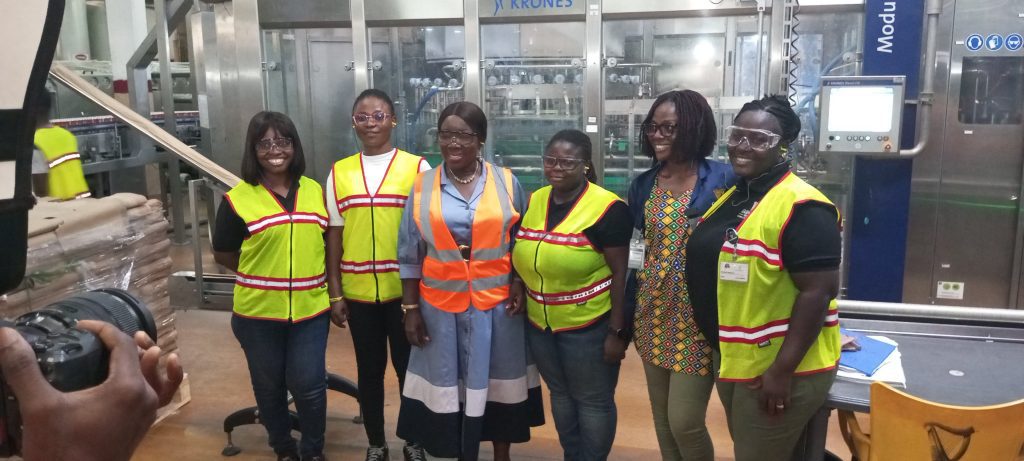
Beyond operations, Hon. Ofosu-Adjare praised Guinness for its contribution to employment, particularly its strong representation of women in technical and leadership roles. She said this aligns with the spirit of the Affirmative Action Act, which seeks to promote female leadership across sectors.
“I’m excited to see women engineers here, holding top positions. That is the way to go,” she said.
The Minister encouraged the company to continue upgrading its facilities, expanding production, and creating more jobs, noting that such efforts position local manufacturers to benefit from the Accelerated Export Development Programme and the government’s 24-Hour Economy policy.
Together, the visits to Kasapreko and Guinness underscore a broader policy message: government sees manufacturing not just as a private business activity, but as a central pillar of economic stability, job creation, and export growth.
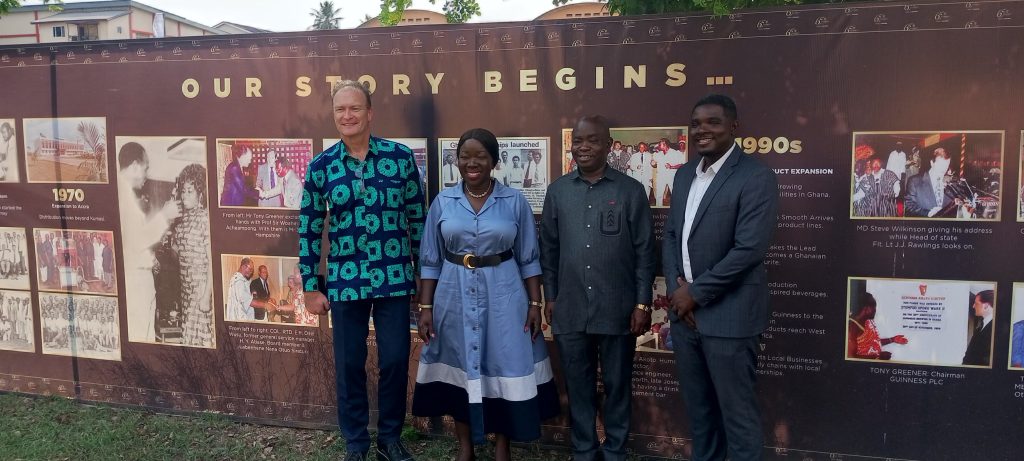
By engaging factories directly, addressing practical constraints such as water supply and regulatory coordination, and aligning industrial operations with national programmes, the Ministry aims to ensure that Ghana’s industrial growth is sustained, competitive, and inclusive.
As Hon. Elizabeth Ofosu-Adjare put it, government’s role is simple but demanding: to listen, to act, and to create the conditions that allow industry to thrive.