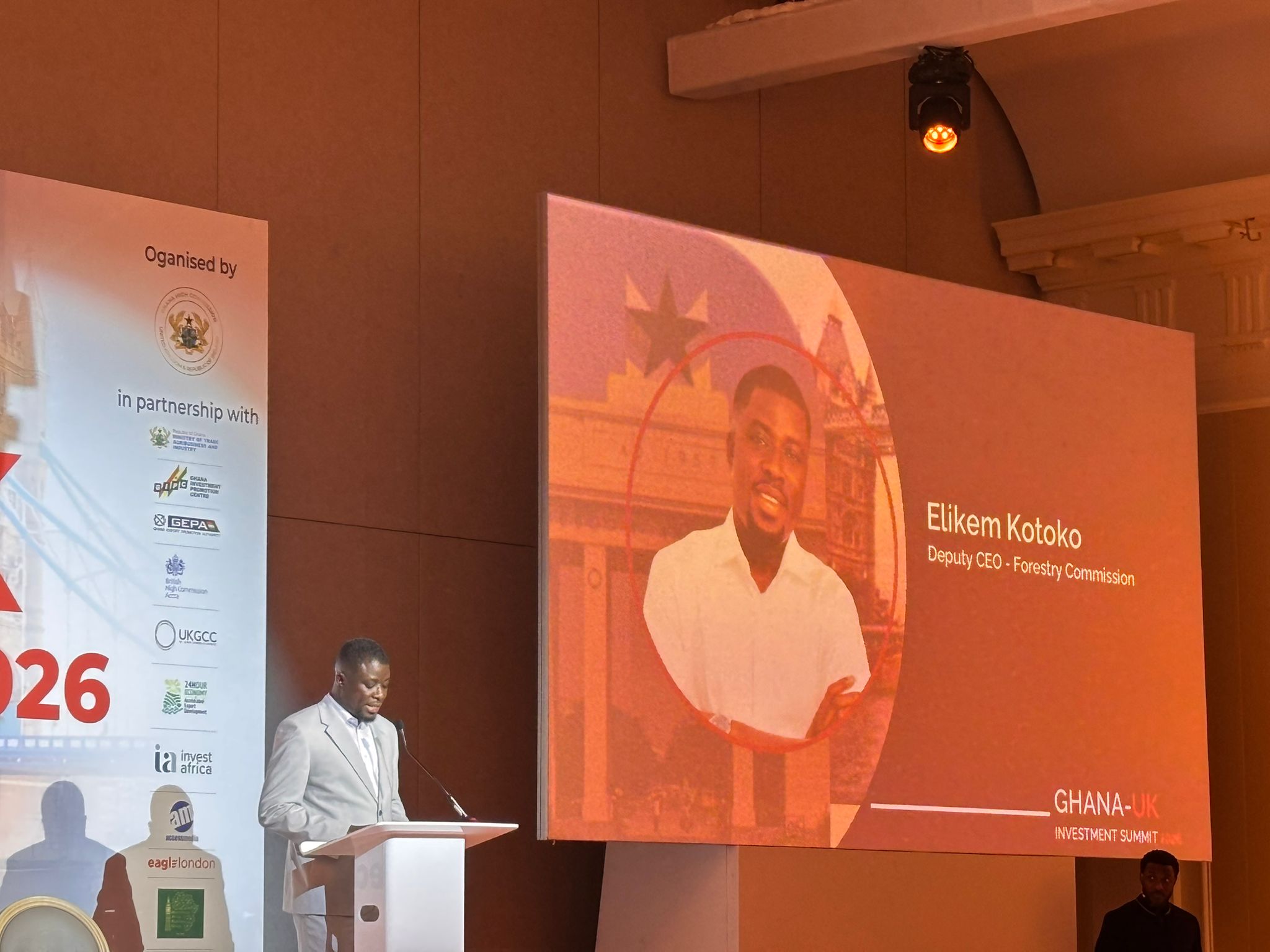
The Deputy Chief Executive Officer of the Forestry Commission, Elikem Kotoko, has called on African countries to seize the opportunities presented by Environmental, Social and Governance (ESG) principles to drive investment, strengthen climate resilience, and position the continent as a major player in the emerging global green economy.
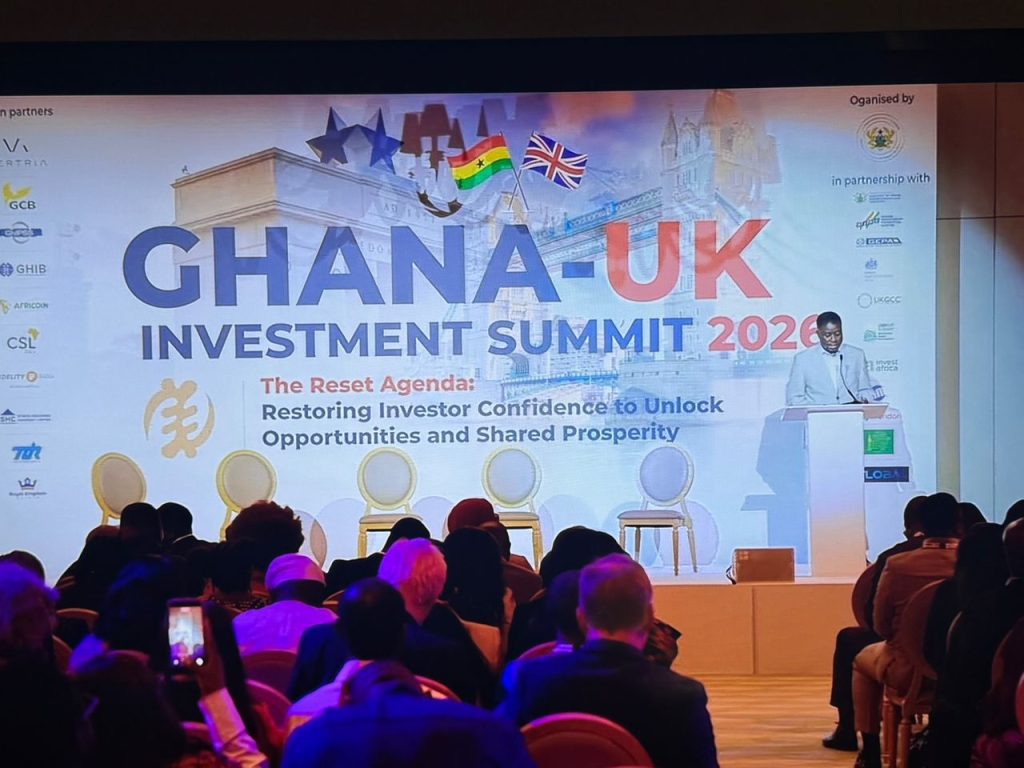
Speaking at the Ghana-UK Investment Summit 2026, Mr Kotoko argued that ESG has become far more than a corporate sustainability framework, evolving into a critical factor shaping investment flows, economic competitiveness, and long-term development prospects across the world.
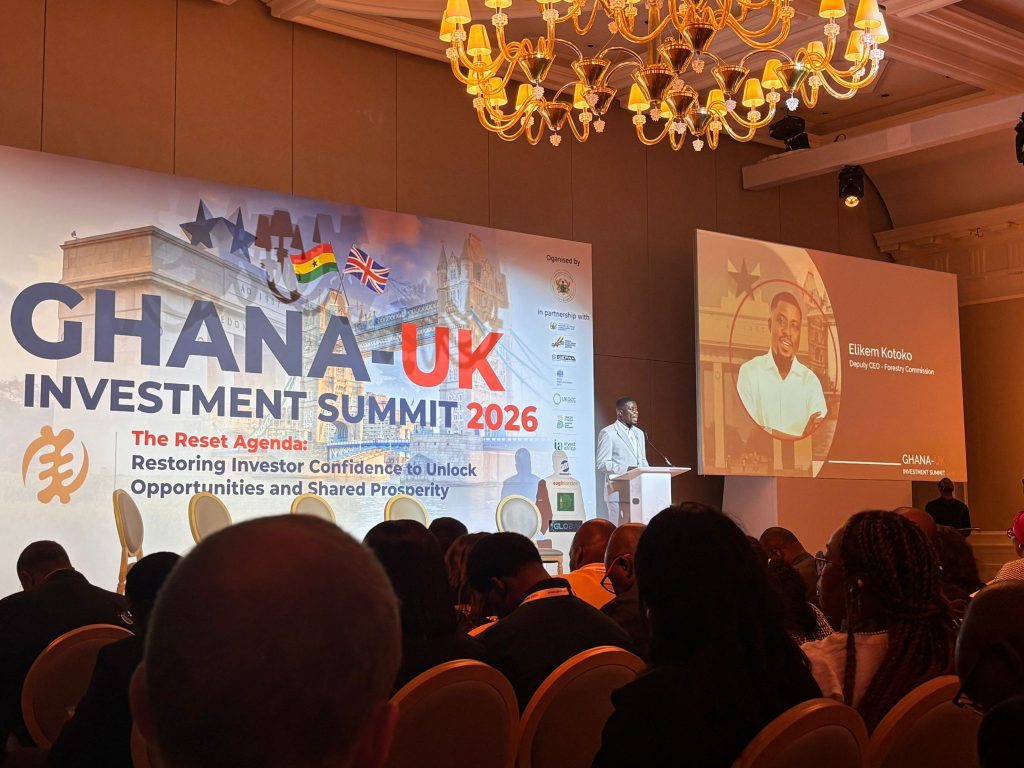
According to him, investors, governments, and consumers are increasingly demanding evidence of environmental responsibility, social inclusion, and sound governance before committing capital, making ESG a decisive factor in determining economic relevance in the modern global economy.
“Today, ESG is no longer simply a sustainability reporting framework. It has become a key driver of investment decisions, business competitiveness, risk management, and long-term economic resilience,” he stated.
Mr Kotoko stressed that climate change should not be viewed solely as an environmental challenge, noting that its impacts extend to livelihoods, employment, governance systems, and economic stability.
He explained that meaningful climate action must simultaneously protect ecosystems, create jobs, empower communities, promote social equity, and strengthen institutions.
“The social dimension reminds us that climate action must improve livelihoods, create jobs, empower women and youth, and ensure that local communities benefit from sustainable development,” he said.
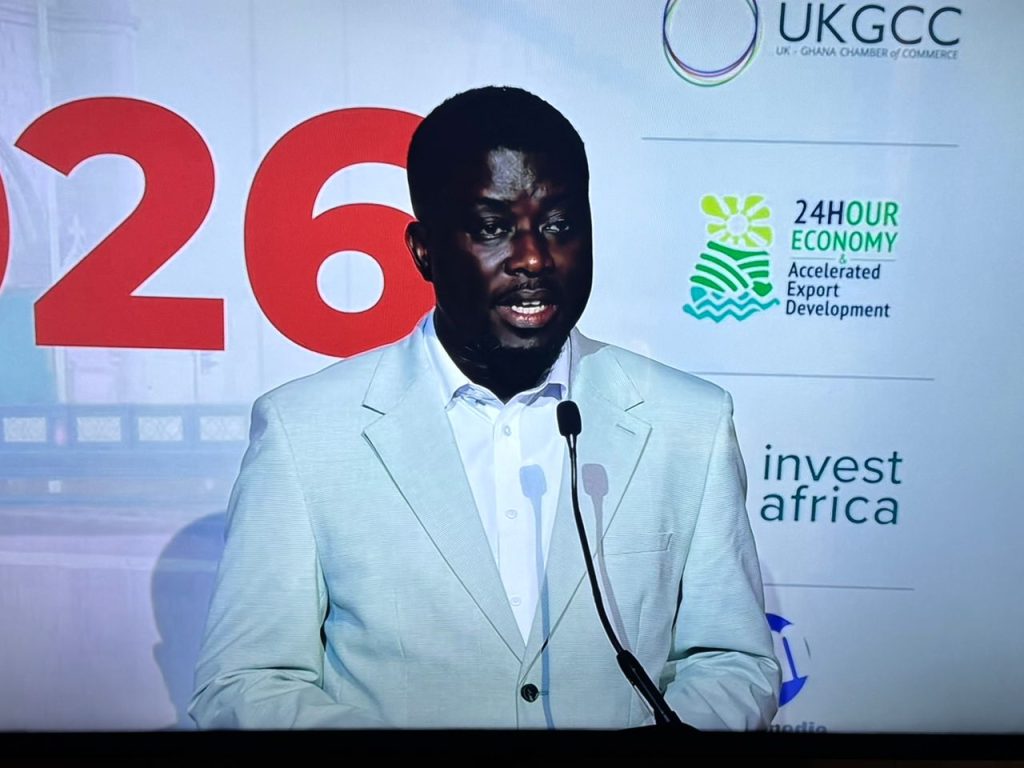
The Forestry Commission Deputy CEO highlighted Ghana’s growing efforts to integrate ESG principles into national development through programmes such as the Ghana Cocoa Forest REDD+ Programme, the Ghana Shea Landscape Emission Reductions Project, and other large-scale restoration initiatives.
These interventions, he noted, are helping restore degraded landscapes, reduce emissions from deforestation, improve rural livelihoods, strengthen biodiversity conservation, and increase community participation in climate action.
He further pointed to reforms within the Forestry Commission aimed at strengthening transparency, accountability, monitoring systems, benefit-sharing mechanisms, and stakeholder engagement processes.
According to him, experience has shown that environmental programmes achieve greater success when communities derive direct and measurable benefits from conservation efforts.
Beyond climate action, Mr Kotoko said ESG presents a significant investment opportunity for Ghana and Africa as global markets increasingly recognise forests and landscapes as valuable natural capital assets.
He observed that investors are actively seeking projects capable of generating both financial returns and measurable environmental and social impacts.
This trend, he said, creates enormous opportunities for Ghana, given its extensive forest and savannah landscapes and growing participation in international carbon markets through initiatives such as REDD+, the LEAF Coalition, and the ART-TREES framework.
The country is also expanding investment opportunities in agroforestry, sustainable forestry, biodiversity conservation, ecotourism, landscape restoration, and climate-smart agricultural value chains.
However, Mr Kotoko cautioned that natural resources alone would not be enough to attract global investment.
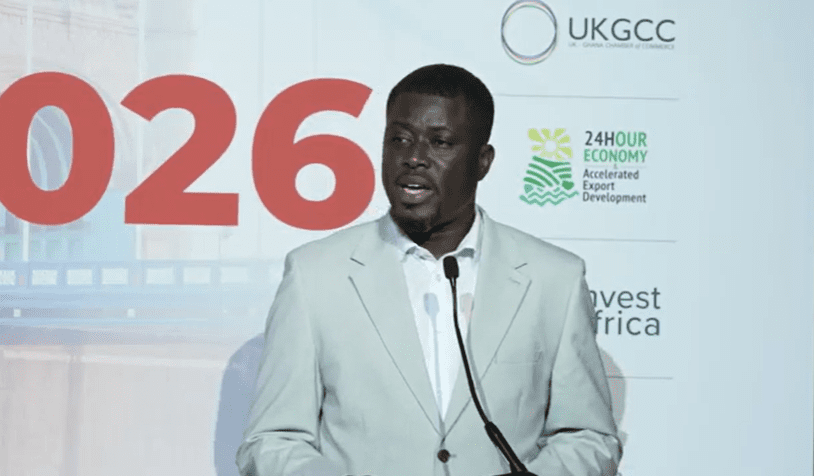
He stressed that strong governance systems, credible safeguards, transparency, accountability, and effective ESG performance are now essential requirements for accessing climate finance and attracting responsible investment.
Looking ahead, he identified four critical priorities for Ghana and Africa: increasing investment in nature-based solutions, ensuring communities directly benefit from climate finance, strengthening governance systems, and mobilising greater private sector participation.
Mr Kotoko argued that public resources alone cannot address the scale of the climate challenge and called for innovative measures to attract private capital into restoration projects, sustainable agriculture, and environmentally responsible enterprises.
He urged African countries to view sustainability not as a burden but as a pathway to economic transformation and global competitiveness.
“For Ghana, forests are no longer only conservation assets. They are climate assets, development assets, and investment assets,” he declared.
He added that if environmental integrity, social inclusion, good governance, and innovation are aligned effectively, ESG could become one of the most powerful tools for accelerating climate action, attracting investment, and driving sustainable development across Africa.