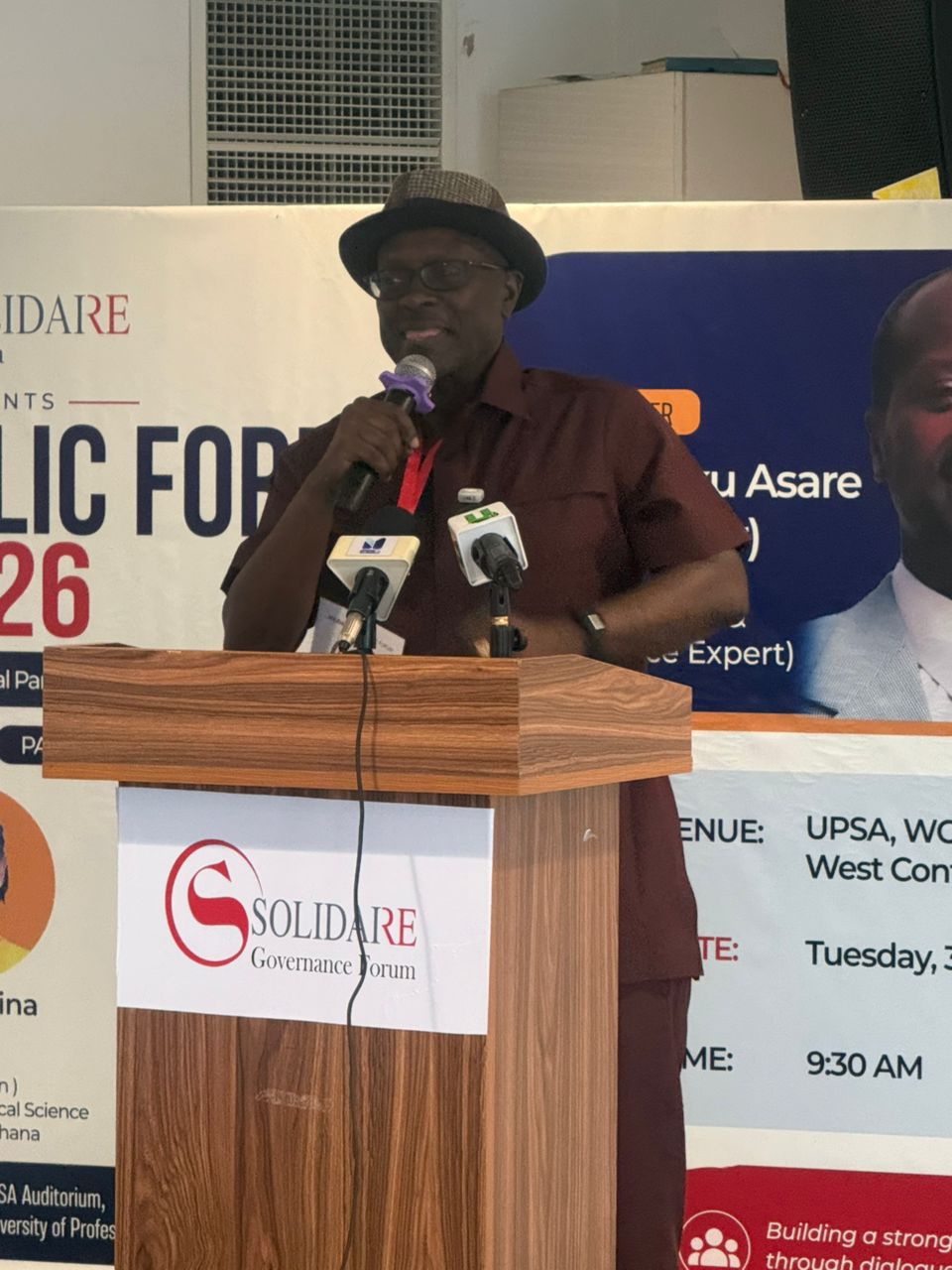
Renowned legal scholar and governance expert, Professor Kwaku Asare, has warned that Ghana’s democratic system is increasingly drifting away from the original vision of political parties as vehicles for national development and democratic accountability, cautioning that the growing influence of money, patronage and partisan loyalty poses a serious threat to the country’s progress.
Speaking at the Political Party Vision Lecture, Prof. Asare argued that Ghana’s political landscape has evolved into a system that often rewards wealth and political connections over competence, ideas and public service.
Delivering a lecture on the theme, “Political Parties: Original Vision and Current Realities,” he said expensive nomination fees and the escalating cost of political campaigns have transformed leadership contests into competitions of financial strength rather than merit.
“When ambition is measured in money, leadership becomes investment and public office becomes asset recovery,” he stated, warning that such a system creates incentives for corruption and encourages political office holders to view state resources as opportunities to recoup campaign investments.
Rise of Political Tribalism
Prof. Asare expressed concern about what he described as the transformation of political parties into “modern tribes,” where loyalty often supersedes truth, accountability and national interest.
According to him, political supporters increasingly evaluate policies based on the political party behind them rather than their merits, creating an environment where criticism of one’s own party is regarded as betrayal while wrongdoing is defended in the name of partisan loyalty.
He noted that the concentration of appointments, contracts, scholarships and economic opportunities in the hands of governments has intensified political competition and contributed to a winner-takes-all political culture.
“This has created a winner-takes-all environment where elections become battles for possession rather than opportunities to serve the nation,” he said.
Concern Over Institutional Independence
The governance expert also raised concerns about declining public trust in national institutions, arguing that the judiciary, media, civil society organisations and even religious bodies are increasingly viewed through partisan lenses.
He warned that democracy suffers when citizens assess decisions based on perceived political affiliations rather than legality, fairness and merit.
“When institutions lose their independence, democracy loses its referees,” he cautioned.
Prof. Asare further lamented the growing politicisation of the youth, saying many young people are being socialised into partisan identities instead of being nurtured into responsible citizenship and national service.
Call for Democratic Recovery
Tracing many of Ghana’s governance challenges to the country’s highly centralised political system, Prof. Asare argued that excessive powers vested in the presidency have made political power excessively attractive, encouraging fierce competition for control of the state.
To address these challenges, he proposed what he termed five key democratic recoveries: recovering political parties through stronger internal democracy and reduced influence of money; recovering the state by insulating public institutions from partisan interests; recovering Parliament’s oversight role; recovering citizenship by promoting national identity over partisan affiliation; and recovering development by prioritising productivity and innovation over patronage.
Among his recommendations were the replacement of expensive nomination fees with mechanisms that demonstrate genuine grassroots support, campaign expenditure limits, regular audits of party finances and the establishment of an independent commissioner for political parties.
He also advocated a merit-based public service, insisting that appointments to the civil service and state-owned enterprises should be based on competence rather than political loyalty.
“The state belongs to all Ghanaians. Governments come and go, but the state must remain,” he stressed.
Civil Society Calls for Action
Adding his voice to the discussion, Executive Director of Solidarity Ghana, Daniel Blaise Annan Junior, echoed concerns about the state of Ghana’s political parties, warning that many have deviated from their founding ideals and democratic responsibilities.
He commended Prof. Asare’s analysis of the historical factors contributing to the current challenges and highlighted persistent concerns such as godfatherism, excessive monetisation of politics and weak internal party democracy.
Mr. Annan urged citizens and civil society organisations to remain actively engaged in demanding accountability and transparency from political actors.
He stressed that sustained public pressure would be critical in advancing reforms aimed at strengthening internal party democracy and restoring public confidence in Ghana’s democratic institutions.
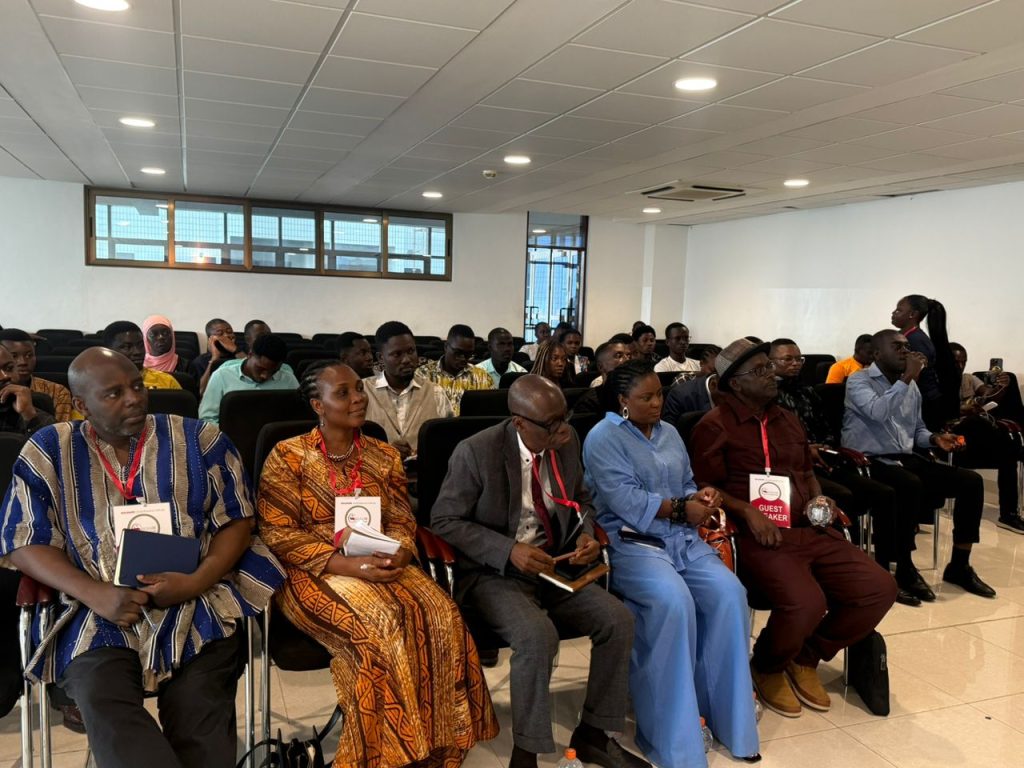
The Political Party Vision Lecture brought together academics, governance experts, civil society leaders and members of the public to reflect on the future of Ghana’s democracy.
Among the distinguished personalities who graced the occasion were Professor Rosina Foli and Professor Kingsley Senyo Agomor.
The event served as a platform for renewed discussions on political reforms, institutional independence and the role of citizens in safeguarding Ghana’s democratic future.
Story by Osman Issah Abadoo