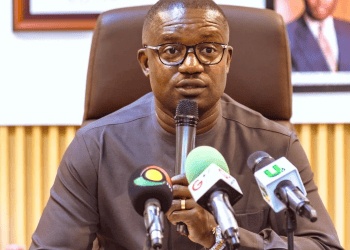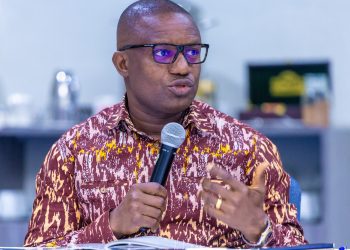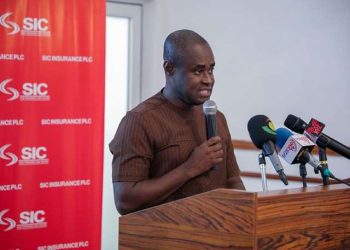
Aspiring National Vice Chairman of the National Democratic Congress (NDC), Dr. Edem Segbefia, has highlighted what he describes as the significant transformation of Ghana’s transport sector under the administration of President John Dramani Mahama, urging party grassroots members to champion the government’s achievements ahead of the 2028 general elections.
Speaking during an interactive engagement with NDC grassroots representatives in the Savanna Region, Dr. Segbefia said the Mahama administration inherited a transport sector plagued by deteriorating roads, stalled infrastructure projects, an inefficient public transport system, fragmented transport policies, failed Bus Rapid Transit (BRT) initiatives, weak digital systems, and persistent road safety challenges.
According to him, the government has since embarked on comprehensive reforms aimed at restoring confidence in the sector through the implementation of the “Big Push” infrastructure programme and procurement reforms.
He noted that one of the administration’s immediate priorities was clearing outstanding debts owed to road contractors and restarting abandoned projects. He explained that government inherited more than GHS20 billion in unpaid contractor bills and commitments exceeding GHS105 billion for road projects undertaken between 2018 and 2024.
“Government has begun settling arrears and has restarted about 85 percent of stalled road contracts, with contractors returning to project sites across the country,” he said.
Dr. Segbefia added that road maintenance equipment under the District Road Improvement Programme (DRIP) had been reorganised into regional mobile maintenance units to enable faster emergency repairs, particularly during the rainy season.
He further explained that the nationwide “Big Push” programme is prioritising the rehabilitation of feeder roads, urban roads and highways, with emphasis on strategic corridors linking farming communities to markets and district capitals.
On transport financing, Dr. Segbefia said the reintroduction of road tolls through modern technology would improve revenue mobilisation and transparency while ensuring sustainable funding for road maintenance.
He also outlined government’s plans to modernise public transport through the formalisation of the tro-tro sector, fleet renewal incentives, digital ticketing systems and the establishment of a fully operational Bus Rapid Transit corridor along the Mallam-Kasoa route as a model for urban transport in Accra.
Dr. Segbefia argued that improved road infrastructure would lower vehicle operating costs, reduce transport fares, shorten travel times and improve access to markets for farmers, particularly in the Savanna Region.
He noted that ongoing road projects were expected to create thousands of direct and indirect jobs while stimulating economic activities through increased demand for local labour, haulage services, vehicle maintenance, fuel stations and other roadside businesses.
Addressing party supporters, Dr. Segbefia urged NDC grassroots members to actively communicate the government’s achievements within their communities.
“When people see roads being rehabilitated, transport becoming easier and farmers accessing markets without difficulty, they appreciate the impact of good governance. These are tangible achievements that strengthen public confidence in the NDC,” he said.
He encouraged local communities to take advantage of improved road networks by forming cooperative transport groups, expanding market access for agricultural produce and participating in employment opportunities created under the Big Push programme.
Dr. Segbefia concluded by calling on party faithful to remain united in promoting the government’s development agenda.
“Better roads mean fewer accidents, lower transport costs, quicker access to schools, hospitals and markets, and greater opportunities for businesses to grow.
The roads that were once impassable are being rebuilt, and the Savanna Region is not being left behind. Together, we must share this good news and continue working towards a stronger and more prosperous Ghana,” he said.
Story: Patrick Asford Boadu