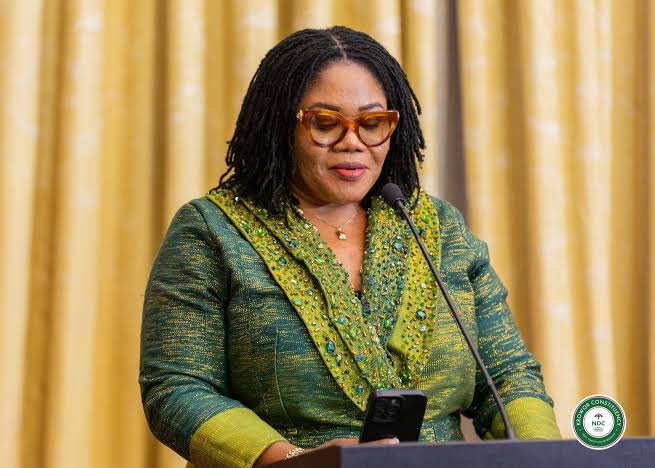
Government has outlined a broad package of legal, policy and financial initiatives aimed at helping more women build successful businesses, with the proposed Women’s Development Bank expected to expand access to finance and unlock new opportunities for women entrepreneurs across Ghana.
The announcement was made in a keynote address delivered on behalf of the Minister for Gender, Children and Social Protection, Dr Agnes Naa Momo Lartey, by the Ministry’s Legal Adviser, Nelly Bernice Wallace, at the 6th Women in Trade and Investment Conference and SME Fair held at the CBG SME Centre, Blackmore, Kokomlemle.
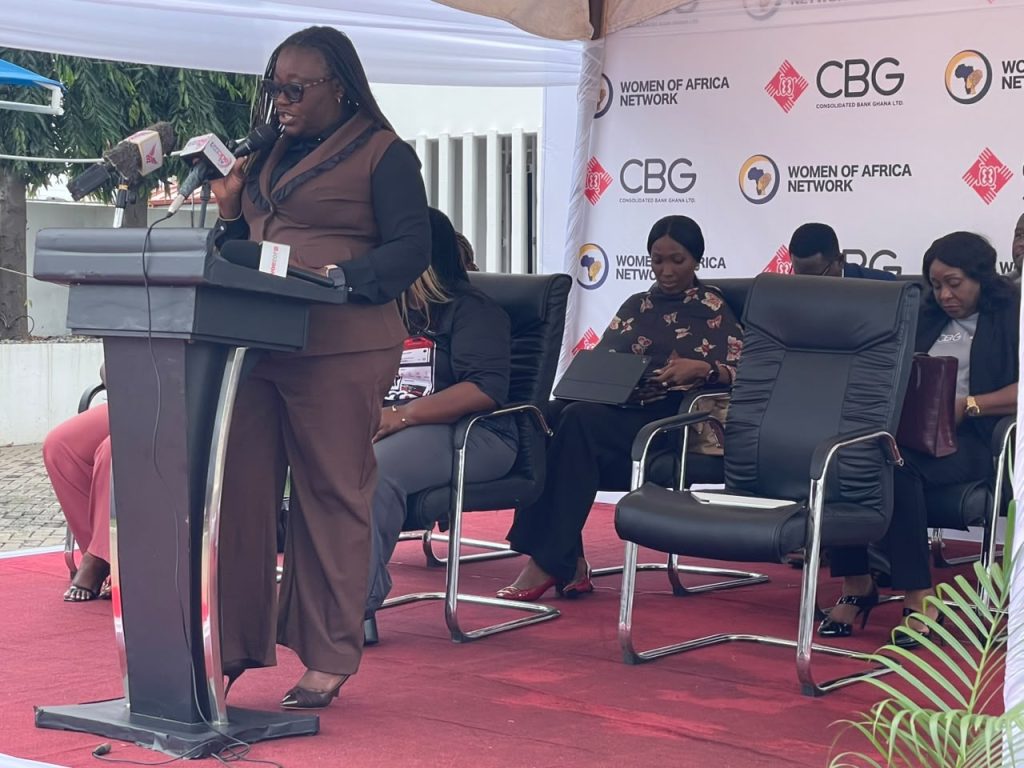
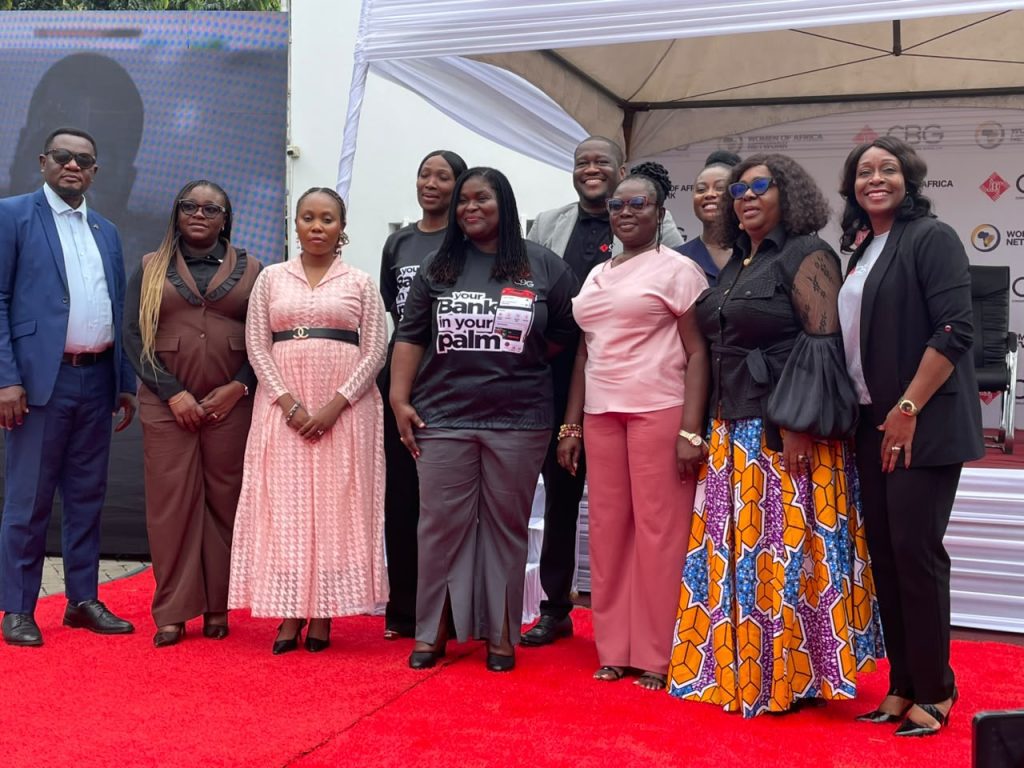
The three-day conference and SME Fair has brought together women entrepreneurs, SMEs, financial institutions and development partners to promote business growth through networking, capacity building, investment opportunities and improved access to finance.
Addressing participants, Ms Wallace described the conference as a timely platform for advancing women’s participation in trade and investment across Africa, noting that women remain the backbone of Ghana’s micro, small and medium-sized enterprise sector despite continuing to face significant barriers to growth.
She identified limited access to affordable credit, inadequate business development services, digital exclusion, insufficient market information and restricted participation in high-value supply chains as some of the major challenges confronting women-owned businesses.
According to her, this year’s theme, “Financial Avenues for Women Entrepreneurs,” reflects the need to remove those obstacles and equip women with the resources needed to expand their enterprises, create jobs and compete successfully in regional and international markets.
Ms Wallace said women continue to make substantial contributions to commerce, agriculture, manufacturing, services and cross-border trade, stressing that strengthening women’s enterprises would translate into broader economic growth and national development.
She outlined a number of measures being pursued to improve opportunities for women, including the implementation of the Affirmative Action, which provides a legal framework to promote equitable participation of women in leadership and decision-making across the public and private sectors.
To support implementation of the law, she said the Gender Equity Committee and its Secretariat have been established to coordinate compliance, while the Ministry continues to roll out nationwide sensitisation and capacity-building programmes for public institutions, private organisations and other stakeholders.
She also highlighted the launch of the Revised National Gender Policy (2025–2034), describing it as a comprehensive roadmap for mainstreaming gender across national development, with women’s economic empowerment identified as one of its central priorities.
Ms Wallace said the planned Women’s Development Bank represents one of the government’s most significant interventions to address the persistent financing constraints facing women entrepreneurs.
The specialised institution, she explained, will provide tailored financial products and services, including affordable financing, financial literacy programmes, enterprise development support, business advisory services and payment solutions designed specifically for women-owned businesses.
She said the Bank is expected to help bridge the financing gap confronting women entrepreneurs, stimulate innovation, create jobs and strengthen women’s participation in regional trade under the African Continental Free Trade Area (AfCFTA).
Turning to the opportunities presented by the AfCFTA, Ms Wallace encouraged women entrepreneurs to strengthen their knowledge of international trade standards while embracing technology, improving access to finance, building strategic business networks and taking advantage of reliable market information to enhance their competitiveness.
She also called on financial institutions to introduce innovative financing products tailored to the needs of women-owned businesses and urged development partners, business associations and the private sector to deepen collaboration by expanding mentorship, investment and market access opportunities.
Encouraging participants to maximise the benefits of the conference and SME Fair, Ms Wallace urged them to build partnerships, exchange ideas and position their enterprises to take advantage of emerging opportunities within the continental market.
She officially declared the 6th Women in Trade and Investment Conference and SME Fair open, expressing optimism that the gathering would strengthen women-led businesses and contribute to a more inclusive and prosperous economy.