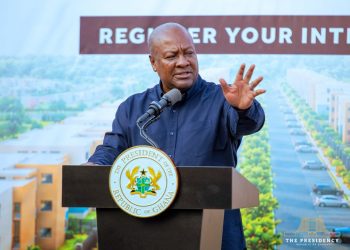
President John Dramani Mahama has defended the establishment of the Ghana Gold Board (GoldBod), citing a significant increase in gold production and revenue from the artisanal and small-scale mining sector as evidence of the benefits of strengthening state oversight of the country’s gold resources.
He disclosed that Ghana’s artisanal and small-scale mining sector increased its gold production from 64 tonnes in 2024, valued at approximately US$4.6 billion, to 104 tonnes following the introduction of the Gold Board framework, generating about US$10.8 billion for the Ghanaian economy.
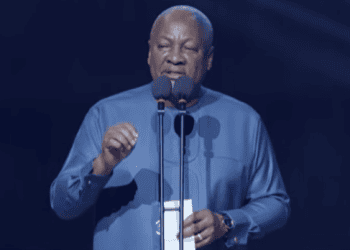
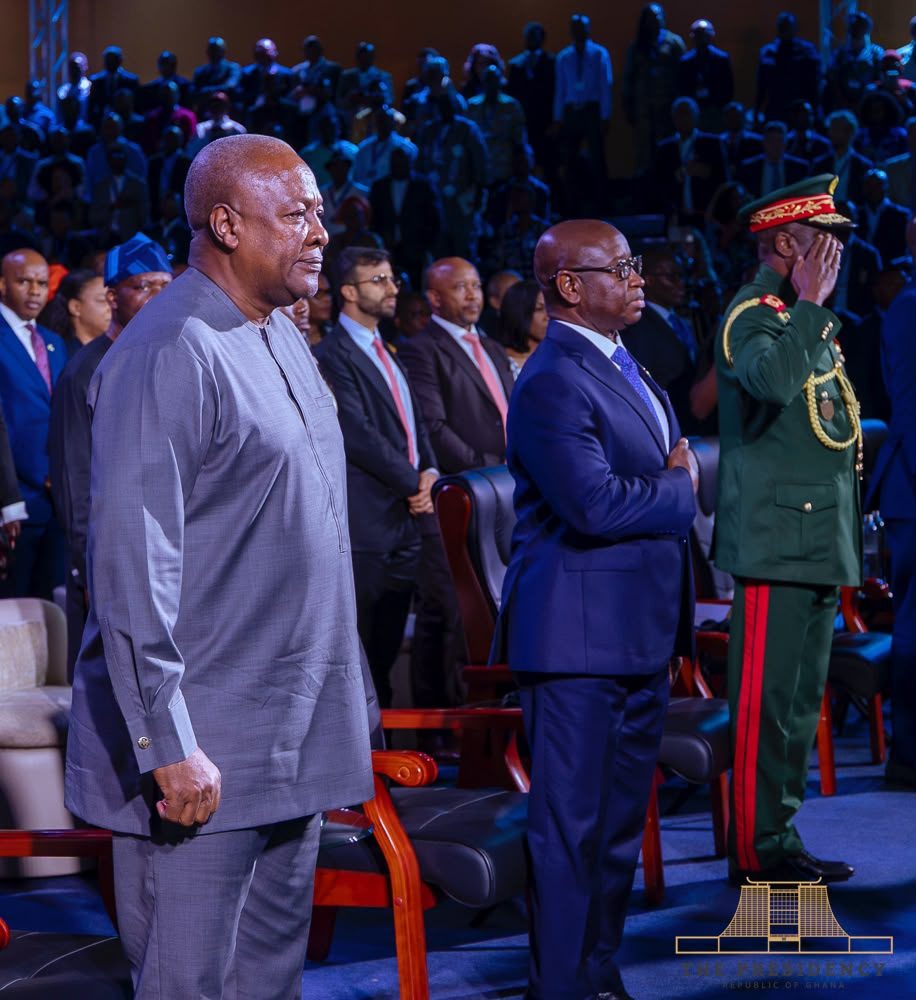
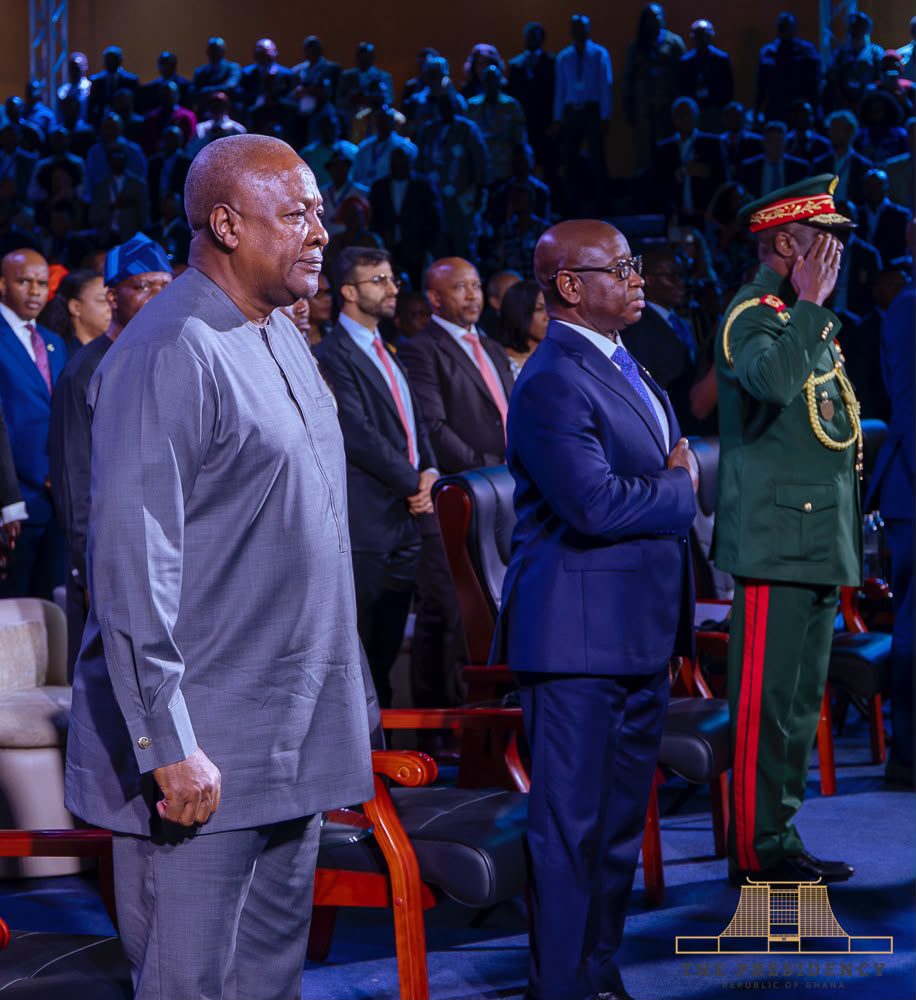
President Mahama made the disclosure while addressing the 2026 West Africa Integration and Investment Summit (WAIIS) in Freetown, Sierra Leone.
He said the establishment of the Gold Board was part of broader efforts to ensure that Ghana exercises greater control over its natural resources and retains more economic value from gold production and exports.
The President explained that before the reforms, gold from the artisanal and small-scale mining sector was being exported through various channels, limiting the country’s ability to maximise the economic benefits.
“In 2024, we had a situation where artisanal and small-scale mined gold was taken out freely by all kinds of people. We changed the law and said you cannot take any gold out of Ghana without it going through the Gold Board,” he stated.
He said the new legal framework provides for the confiscation of gold and imprisonment for persons who violate the export requirements.
President Mahama described the reforms as an exercise of national sovereignty, arguing that Ghana and other African countries must take greater responsibility for managing their mineral wealth.
“So, it is an issue of exercising sovereignty over what God blessed us with. We did not put the gold there, God gave it to us. The diamonds, God gave it to us. And our people must benefit from that,” he said.
Calls for fairer mineral agreements
Beyond the Gold Board, President Mahama called for a review of mineral agreements between African governments and multinational mining companies to ensure that host countries receive a fairer share of the wealth generated from their natural resources.
He criticised previous arrangements under which some large-scale mining companies secured fixed royalty rates through development and stability agreements, arguing that such agreements prevented governments from benefiting adequately when international commodity prices increased.
He cited Ghana’s decision to introduce a sliding-scale royalty regime for large-scale gold mining as an important step towards addressing the imbalance.
Under the revised arrangement, royalties range from five per cent to 12 per cent, depending on prevailing gold prices.
President Mahama said the reform had enabled Ghana to secure higher revenues from the mining sector, particularly amid elevated international gold prices.
“Let us change to a sliding scale, so if the price comes down, we will come to the minimum royalty, 5%. If it goes up like gold has done, we’ll charge you 12%,” he explained.
He further disclosed that since the new law was passed, the government had received GH¢7.8 billion in royalties from large-scale gold mining.
The President urged African governments to reconsider existing mineral concessions and agreements to ensure that the exploitation of natural resources translates into sustainable development and improved living conditions for citizens.
African minerals must benefit local communities
President Mahama expressed concern that communities surrounding major mining operations continued to experience poverty despite the enormous wealth generated from mineral extraction.
He said Africa must move away from an extractive model in which raw materials are exported with limited local value addition, while the greater economic benefits accrue to foreign jurisdictions.
Using mining communities as an example, he questioned why mining companies could provide extensive recreational and other facilities for their senior employees while surrounding communities continued to lack basic development infrastructure.
“You have a mine, and it is a profitable mine. The senior officers have their recreation ground, they have their lawn tennis courts, they have their swimming pools, they have their gyms. Just go look at the communities around the mine and see the level of poverty,” he said.
He insisted that Africa’s mineral resources must become a foundation for industrial development, job creation and shared prosperity.
“African minerals must be a source of wealth and prosperity for African people,” President Mahama declared.
He made the remarks as part of his broader call for African countries to strengthen economic sovereignty, deepen regional cooperation and ensure that investment in natural resources delivers tangible benefits to their populations.
The West Africa Integration and Investment Summit, convened by Sierra Leonean President Julius Maada Bio, brings together Heads of State, investors, development finance institutions and private sector leaders to explore investment opportunities and advance economic transformation across the region.
Story: Patrick Asford Boadu