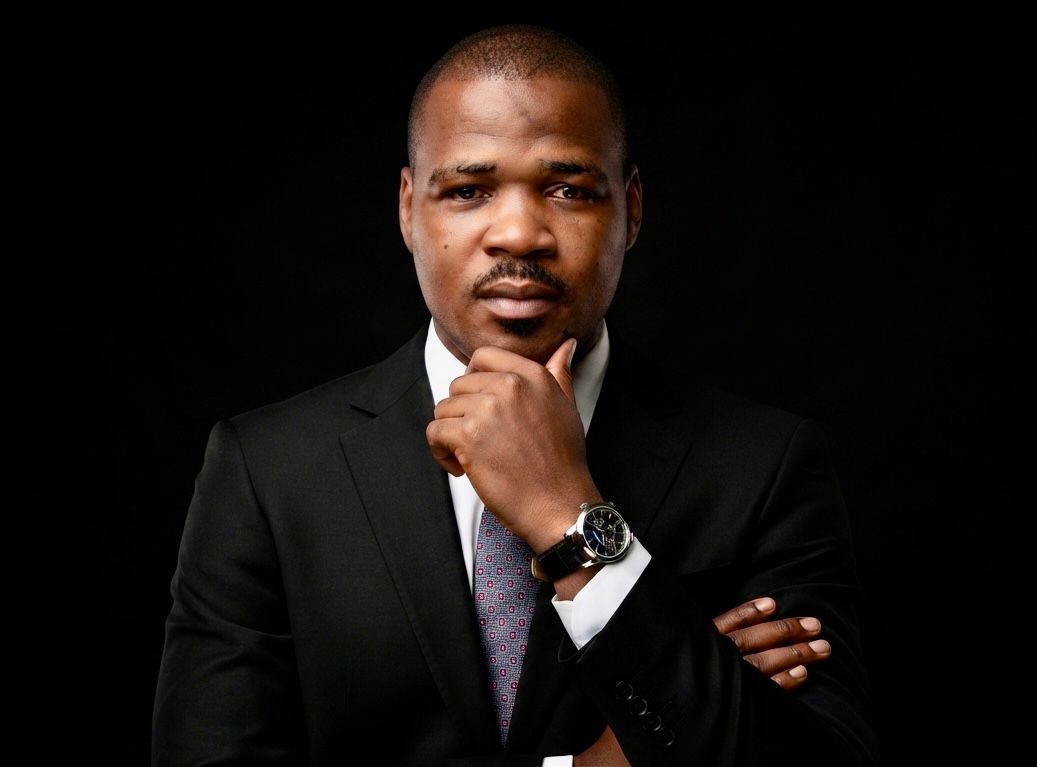
Aspiring National Vice Chairman of the National Democratic Congress (NDC), Dr. Edem Segbefia, has commended the trade, agribusiness and industrial sector reforms being implemented by the administration of President John Dramani Mahama, describing them as transformative policies that are revitalising Ghana’s productive sectors, creating jobs and improving livelihoods across the country.
Addressing NDC grassroots delegates during an interactive engagement in the Central Region, Dr. Segbefia urged party members to actively communicate the government’s achievements to the electorate, stressing that the reforms are restoring confidence in Ghana’s economy and positioning the country for sustainable industrial growth.
According to him, prior to the NDC’s return to office in January 2025, Ghana’s trade, agribusiness and industrial sectors had experienced significant setbacks, with factories shutting down, farmers facing declining incomes, traders struggling to compete with imported goods, and the economy becoming increasingly dependent on imports.
“Trade, agribusiness and industry were no longer creating jobs and wealth for Ghanaians.
Factories had closed, farmers were struggling, traders were under pressure, and Ghana was importing products that could easily be produced locally,” he said.
Dr. Segbefia explained that President Mahama’s administration has since adopted a new development strategy centred on producing, processing and exporting Ghanaian products.
“Our focus is simple: produce in Ghana, add value in Ghana, and sell to Ghana and the rest of the world. The objective is to move from import dependence to a productive economy that creates jobs and wealth in every district,” he stated.
He highlighted the government’s ongoing establishment of agro-industrial parks and special economic zones designed to locate factories closer to farming communities, thereby reducing transportation costs, improving access to raw materials and creating employment opportunities.
He further noted that government has prioritised the completion of stalled agro-processing, textile and food-processing factories while introducing measures to reduce production costs through improved access to raw materials and more competitive utility tariffs.
Dr. Segbefia said farmers are also benefiting from timely distribution of subsidised fertilisers, improved seeds and mechanisation services, alongside increased investments in cassava, rice, poultry, tomato, shea and oil palm value chains.
He added that irrigation infrastructure is being expanded to reduce dependence on rainfall and strengthen food production, while cooperative farming and out-grower schemes are being linked directly to processing factories and export markets.
On trade, Dr. Segbefia observed that Ghana is positioning itself as the continental trading hub under the African Continental Free Trade Area (AfCFTA), with government digitising ports and border posts to facilitate faster movement of goods.
He said the Ghana Export Promotion Authority (GEPA) and Ghana’s diplomatic missions abroad are actively identifying new international markets for locally processed foods, shea products, cosmetics, handicrafts and other Ghanaian exports.
To protect domestic industries, he explained, government has intensified efforts against smuggling and the importation of substandard products while expanding financial support for small and medium-sized enterprises, artisans and agro-processors through dedicated funding programmes.
He also pointed to the alignment of Technical and Vocational Education and Training (TVET) programmes with the needs of factories and agro-processing industries, alongside targeted support for young farmers and agribusiness entrepreneurs through access to land, inputs and market opportunities.
According to Dr. Segbefia, investments in warehouses, cold storage facilities, feeder roads and reliable electricity supply are helping reduce post-harvest losses while supporting industries operating under the government’s 24-Hour Economy initiative.
Touching on the direct benefits for NDC grassroots supporters, he said the reforms are creating employment opportunities in factories, warehouses and processing plants while expanding markets for farmers producing maize, rice, tomatoes, poultry, shea and other commodities.
He encouraged farmers to organise themselves into cooperatives, particularly in rice, shea, groundnut and poultry production, explaining that government programmes are designed to work more effectively with organised groups.
Dr. Segbefia further urged artisans, food processors and market women to formalise their businesses by registering with the appropriate institutions in order to access financing, export opportunities and government support programmes.
He called on Metropolitan, Municipal and District Chief Executives (MMDCEs) to facilitate stronger partnerships between local businesses and the emerging agro-industrial parks, enabling young people and local enterprises to benefit from contracts in transport, catering, packaging, maintenance and security services.
He also encouraged party communicators to publicise every completed factory, warehouse, irrigation project and mechanisation intervention as evidence of the government’s commitment to improving livelihoods.
“Every new tractor, warehouse and factory is a campaign story. Let the people see the impact of these interventions in their communities and understand that government is delivering tangible results,” he said.
Summarising the government’s achievements, Dr. Segbefia listed the rollout of the 24-Hour Economy programme, revitalisation of abandoned factories, implementation of Made-in-Ghana procurement policies, subsidised agricultural inputs, expanded irrigation systems, investments in agro-processing, improved storage infrastructure, affordable financing for businesses and expanded export promotion under AfCFTA.
He noted that products from the Central Region including fish, salt, kente, ceramics and processed foods are among those receiving increased attention in international markets through GEPA’s export promotion initiatives.
Concluding his address, Dr. Segbefia said the Mahama administration is rebuilding Ghana’s economy by empowering farmers, manufacturers, traders and young entrepreneurs.
“The strength of the NDC has always been our commitment to creating jobs, supporting farmers and building businesses.
When a fish processor in Elmina receives access to cold storage, when a gari processing factory reopens in Assin, when a graduate secures employment in a factory in Cape Coast, and when traders at Kotokuraba Market sell more Made-in-Ghana products, that is the NDC delivering for the people.”
He charged party members across the Central Region to take the government’s message to every branch, market, farming community and traditional authority.
“Go everywhere and tell the people that the NDC has brought factories back, is supporting farmers, creating jobs and making Ghana produce, process and export again. These are the achievements that will secure the confidence of the Ghanaian people for years to come.”
Story: Patrick Asford Boadu