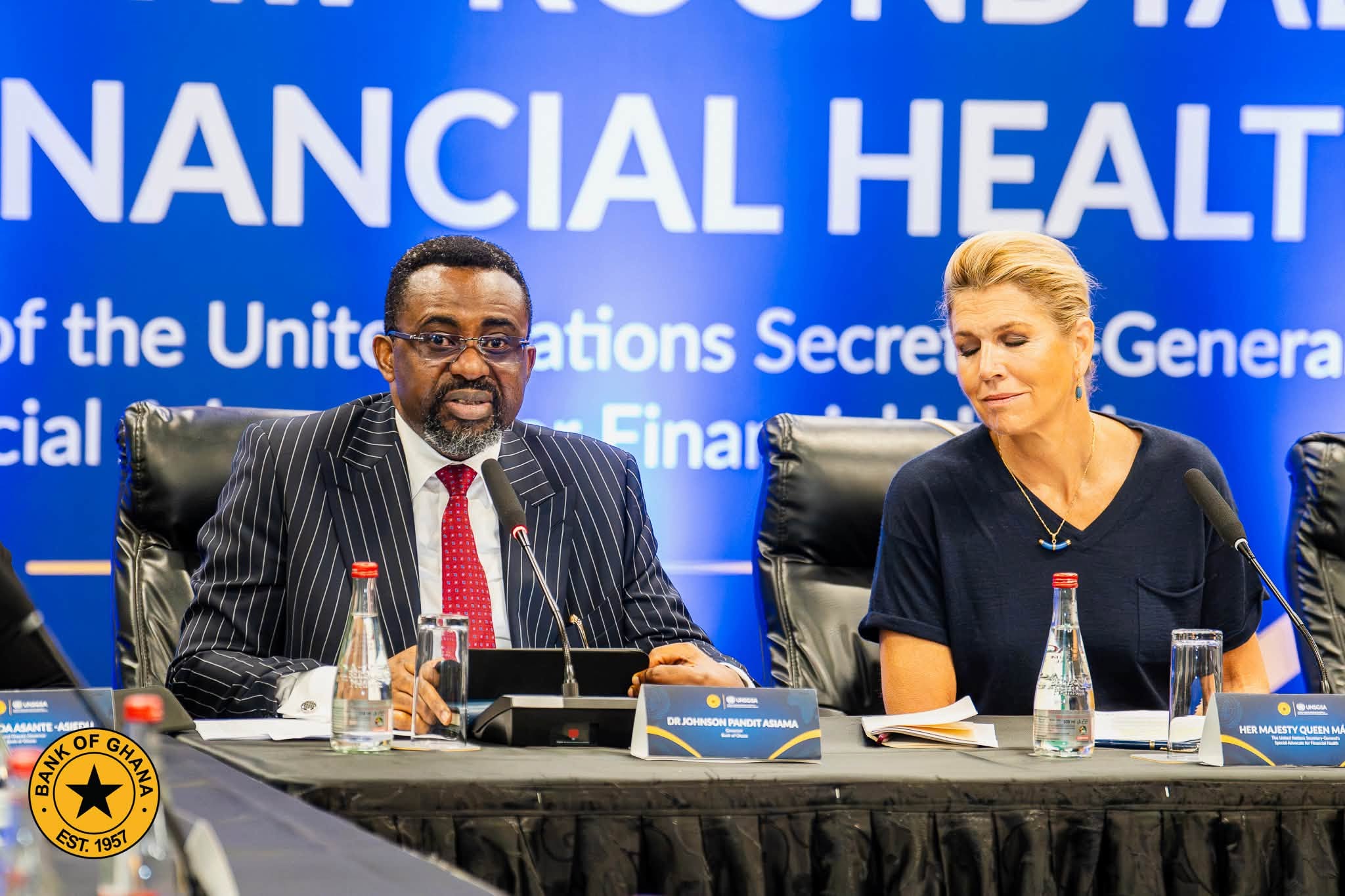
The Governor of the Bank of Ghana, Dr Johnson Pandit Asiama, has called for a fundamental shift in Ghana’s financial inclusion agenda, stressing that expanding access to digital financial services must translate into improved economic security, stronger savings and sustainable financial opportunities for households and businesses.
He maintained that although Ghana had made significant progress in digital finance, the country’s financial sector must now prioritise the financial well-being of citizens, ensuring that access to banking and payment services delivers meaningful economic benefits.
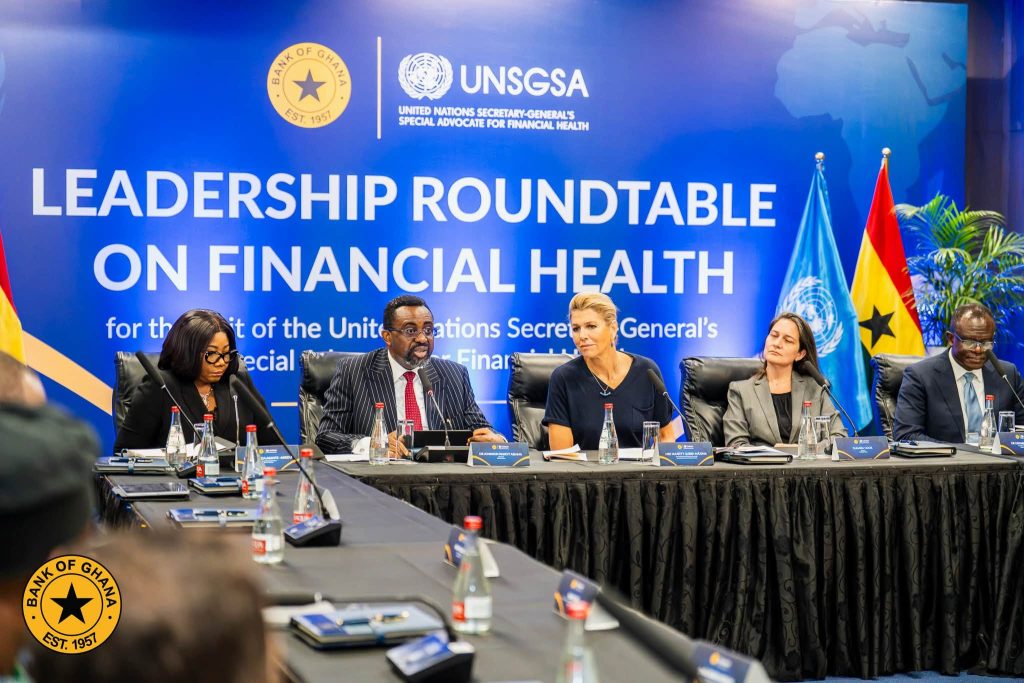
Dr Asiama made the call on Wednesday, November 4, 2026, when he welcomed Her Majesty Queen Máxima of the Netherlands, the United Nations Secretary-General’s Special Advocate for Financial Health, to the Bank of Ghana’s headquarters, Bank Square, for the Financial Health Leadership Roundtable.
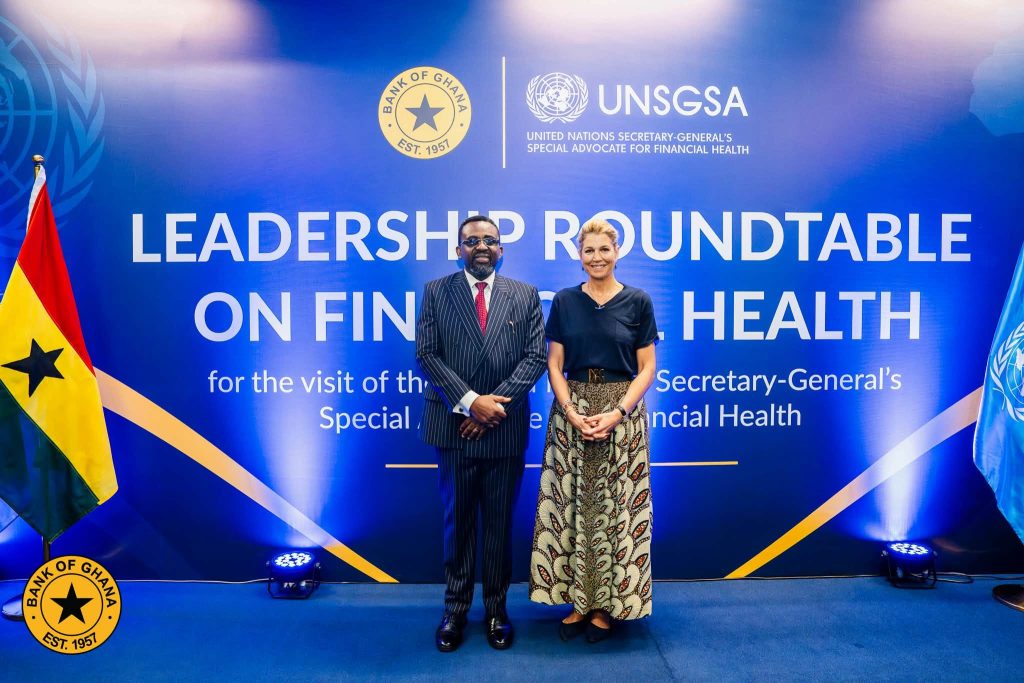
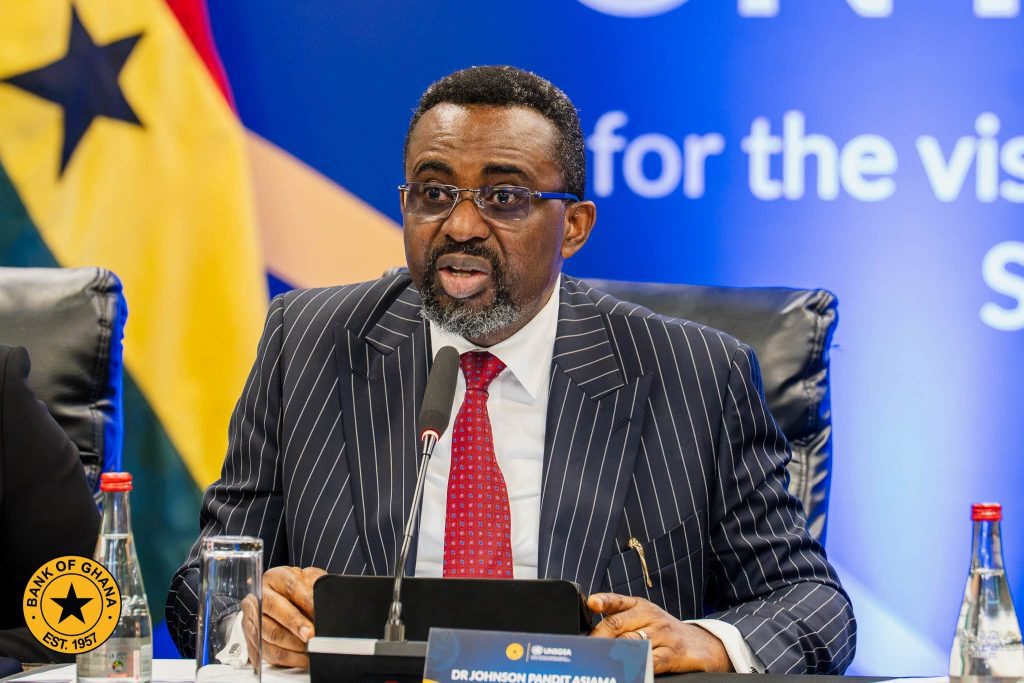
Delivering his keynote address, the Governor described Ghana as one of Africa’s leading digital finance markets, highlighting the expansion of mobile money, interoperable payment systems and financial technology innovations that have improved access to financial services for millions of people.
He, however, emphasised that financial inclusion should no longer be measured primarily by the number of people accessing financial services, but by the extent to which those services improve their economic circumstances.
According to him, greater attention must be given to helping individuals and businesses build savings, access insurance and pension products, make productive investments and obtain responsible credit.
He also underscored the importance of financial literacy in enabling citizens to make informed decisions, manage financial risks and build long-term economic resilience.
Turning to the challenges confronting businesses, Dr Asiama identified micro, small and medium-sized enterprises (MSMEs) as the backbone of Ghana’s economy, stressing the need to address persistent barriers that limit their access to affordable and sustainable financing.
He called for the strategic application of technology, data and innovation to bridge financing gaps and reduce information asymmetries that often prevent viable businesses from accessing credit.
The Governor particularly emphasised the need to expand financial opportunities for women entrepreneurs and smallholder farmers, whose contributions to economic development are frequently constrained by limited access to appropriate financial products.
He maintained that financial innovation must support fairer lending practices and create conditions under which productive enterprises can secure financing on reasonable and sustainable terms.
Dr Asiama further urged financial institutions, policymakers and development partners to translate discussions on financial health into measurable interventions capable of improving the economic circumstances of ordinary Ghanaians.

He stressed the importance of establishing clear priorities and securing concrete commitments to advance financial resilience across the country.
The Financial Health Leadership Roundtable brought together stakeholders to examine how Ghana’s expanding digital financial infrastructure could be leveraged to strengthen financial security and economic participation.
The Governor’s remarks placed renewed emphasis on the need to ensure that Ghana’s progress in financial technology produces tangible improvements in savings, investment, access to credit and long-term financial stability.
He called for coordinated action to build a financial system that goes beyond providing access to services and actively supports the economic well-being of individuals, households and businesses across Ghana.