Ghana has recorded a major breakthrough in its campaign for reparatory justice, with the governments of the Netherlands and Germany announcing plans to return about 2,000 looted artefacts and culturally significant items to the country.
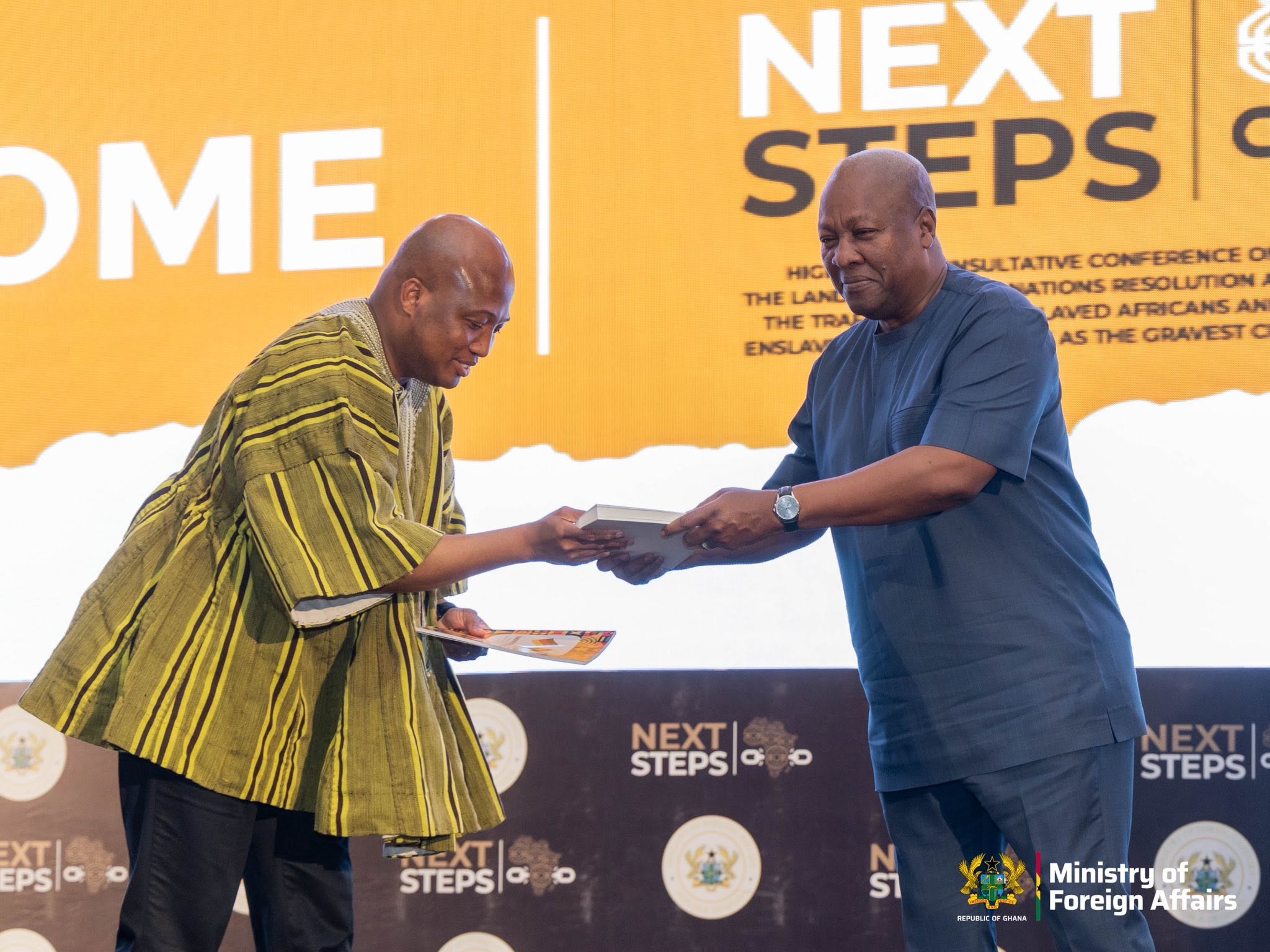
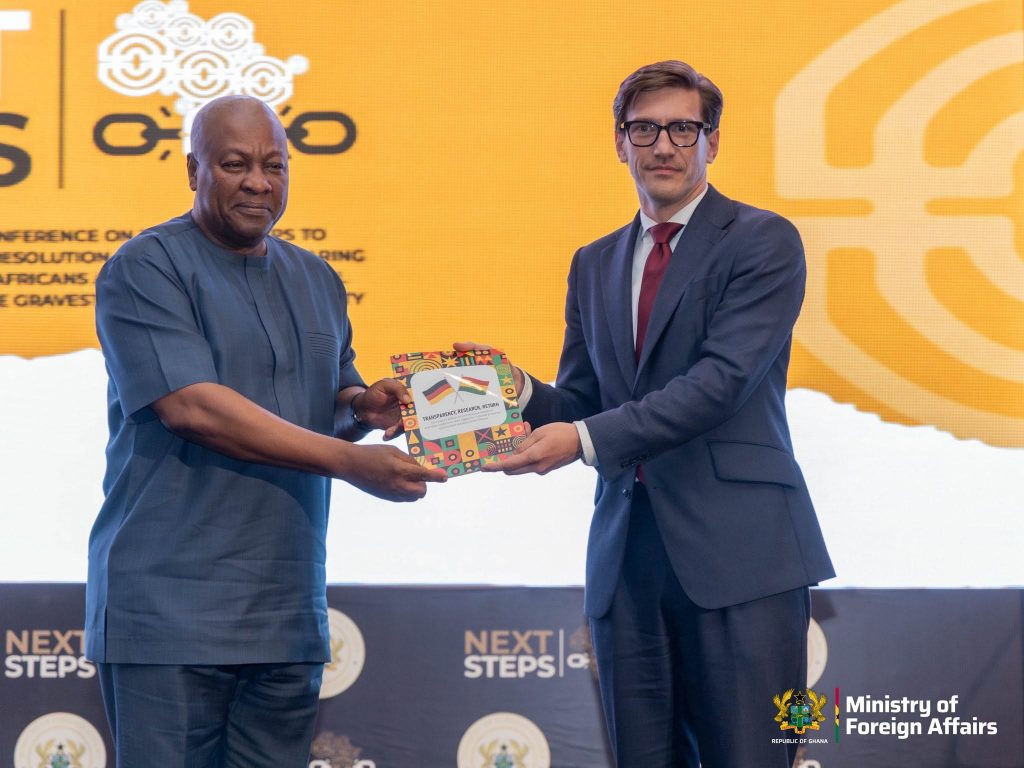
The announcement was made during the Next Steps Conference on Reparatory Justice in Accra, where ambassadors of the two European nations formally presented a catalogue of the artefacts to President John Dramani Mahama during a plenary session.
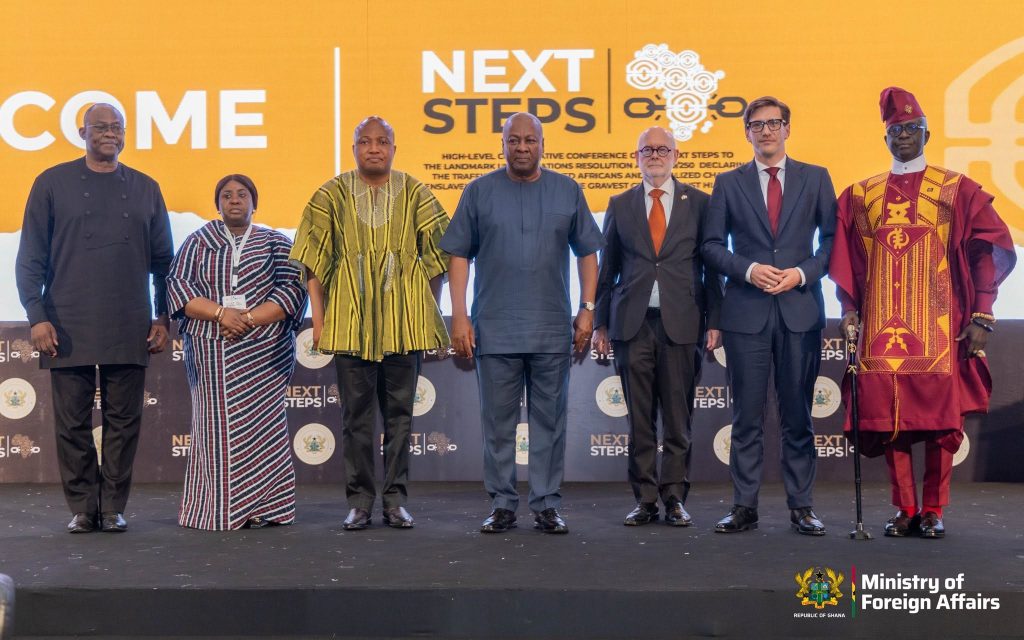
The development marks one of the most significant commitments yet by European countries to address historical injustices linked to colonialism and the transatlantic slave trade.
In a further gesture of reconciliation, Denmark’s Foreign Minister publicly acknowledged his country’s role in the transatlantic enslavement of Africans and offered an apology. He also pledged Denmark’s support for preserving the historic castles and forts built during the slave trade era, describing the effort as essential to truth-telling, historical accountability, and preventing the erasure of painful chapters of history.
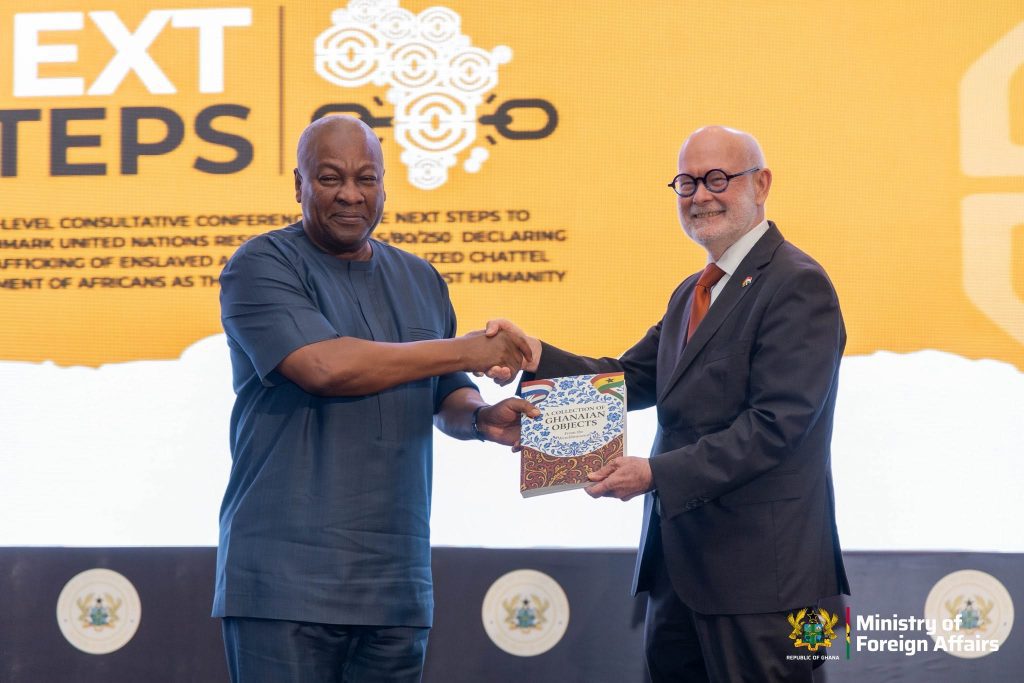
Commenting on the development, Foreign Affairs Minister Samuel Okudzeto Ablakwa welcomed the commitments, describing them as encouraging signs of a growing international willingness to engage meaningfully with issues of restitution and reparatory justice.
He noted that the commitments from the Netherlands, Germany, and Denmark reflect the positive momentum generated by the historic Ghana-led United Nations resolution that has elevated global discussions on reparations, restitution, and historical accountability.
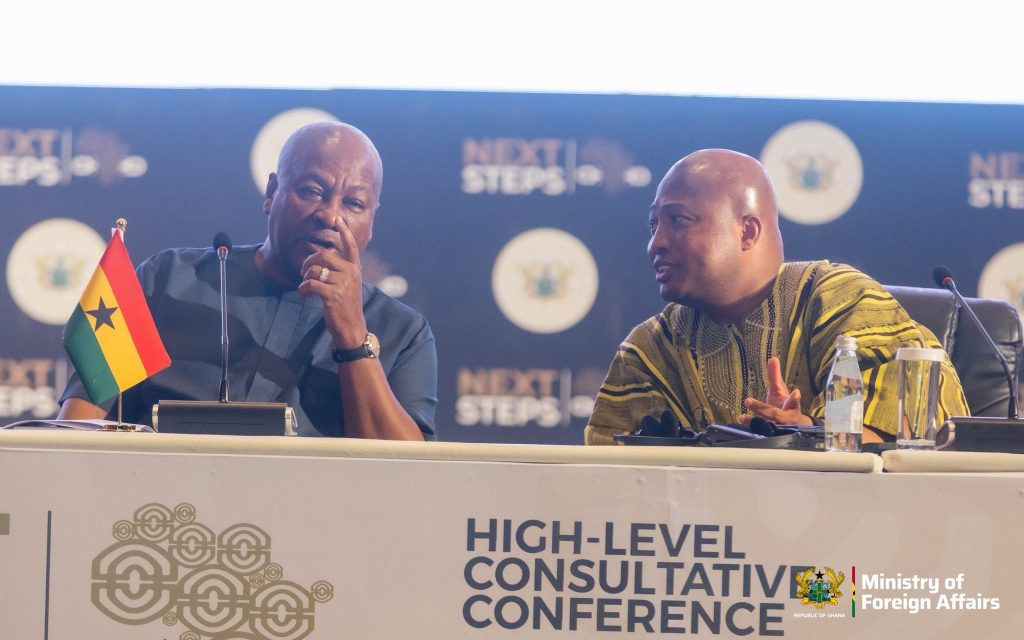
The announcements are being viewed as a significant milestone in Ghana’s efforts to secure the return of cultural treasures taken during the colonial era and strengthen international cooperation on justice, remembrance, and healing.

The latest commitments also reinforce Ghana’s emerging leadership role in shaping global conversations on reparatory justice and ensuring that historical wrongs are addressed through concrete action rather than symbolic declarations alone.